Marina Lyubimova
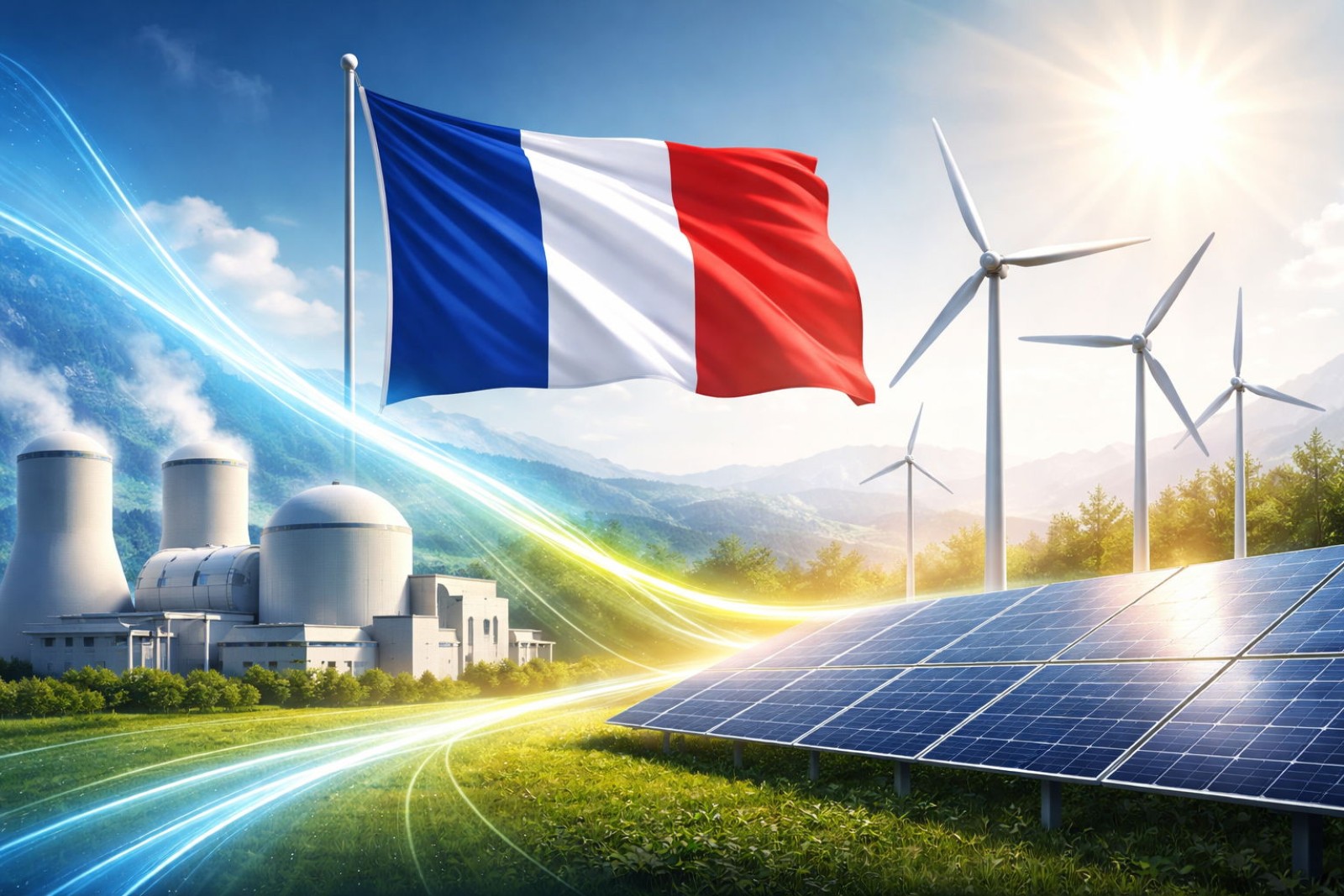
France has rolled out a comprehensive electricity strategy aimed at dramatically expanding its low-carbon energy infrastructure over the next ten years. The updated policy framework signals a major commitment to nuclear and renewable power while reducing fossil fuel dependency across transportation and industry sectors.
France Sets 585 TWh Clean Energy Target for 2030
The French government has outlined an aggressive plan to boost decarbonized electricity output, setting a production goal of 585 terawatt hours by 2030—up from approximately 540 TWh currently generated. According to Reuters, this 20% increase forms the backbone of France's revised energy planning framework, known as PPE.
Beyond the immediate 2030 milestone, authorities are targeting an even more ambitious threshold: 70% of the nation's total energy consumption should come from decarbonized electricity by 2035. This represents a fundamental shift in how France powers everything from homes to factories.
Nuclear Gets Priority as Wind and Solar Targets Adjusted
The strategy reveals a notable recalibration of energy sources. While maintaining the overall decarbonization trajectory, France reduced wind and solar capacity targets by roughly 20% through 2035, while simultaneously raising nuclear production goals by about 5%.
This adjustment reflects updated demand growth forecasts and financing realities rather than abandoning renewables. The shift acknowledges that electricity consumption pressures require balanced planning across multiple generation technologies.
Electric Vehicle Push and Industrial Electrification Drive Demand
To match increased supply with consumption, French officials are rolling out measures to accelerate electrification across key sectors. The transportation sector takes center stage, with incentives designed to put approximately 7 million electric vehicles on French roads by 2035.
This vehicle transition alone will create substantial new electricity demand, complementing broader industrial electrification efforts. As Europe witnesses large scale energy infrastructure expansion and industries evaluate energy transition investment trends, France's infrastructure must scale accordingly.
The success of this electricity strategy will ultimately depend on execution speed and capital deployment. How quickly France can build out generation capacity while simultaneously stimulating demand through electrification incentives will determine the pace at which fossil fuels exit the national energy mix. The coming decade will test whether the country's nuclear-renewable combination can deliver on these ambitious decarbonization promises.
 Marina Lyubimova