Marina Lyubimova
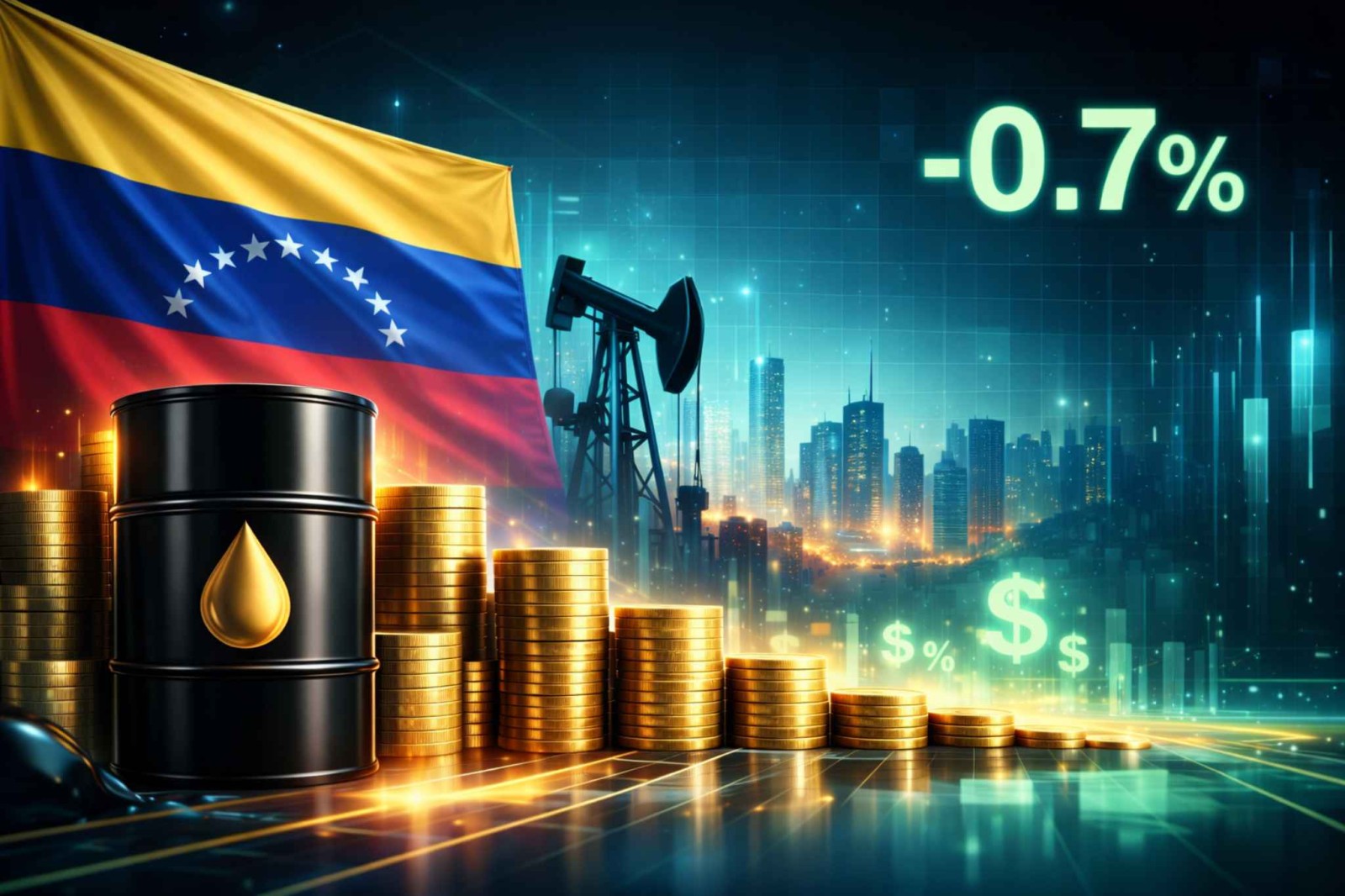
Global energy markets are closely watching developments around Venezuelan oil production after fresh signals that supply could begin rising again. According to commentary highlighted by analyst Lark Davis, additional barrels entering the market could help ease pressure on energy prices that have remained elevated due to geopolitical disruptions and persistent supply constraints. The discussion follows remarks from Donald J. Trump suggesting that cooperation between the United States and Venezuela is improving and that oil production is beginning to flow again.
Venezuela holds some of the largest proven crude reserves in the world, yet production has been restricted for years due to sanctions, infrastructure issues, and economic instability. If Venezuelan exports increase meaningfully, the additional supply could shift global market balances that have been sensitive to geopolitical tensions and transport disruptions.
Why Venezuela's Oil Output Could Reshape Inflation Expectations in 2025
Oil prices remain deeply connected to the broader macroeconomic environment. Higher energy prices typically push inflation higher by raising costs across supply chains and consumer spending.

Market observers frequently highlight how shifts in oil supply dynamics can reshape global inflation expectations, especially when energy costs feed directly into transportation and production across economies.
When oil supply increases at the right moment, it does more for inflation than a dozen Fed meetings.
Analysts have also noted how rising global oil supply could stabilize energy markets after periods of extreme volatility.
Fed Policy Outlook Hangs on Energy Prices as Crude Supply Shifts
When inflation remains elevated, central banks such as the Federal Reserve often maintain restrictive monetary policy for longer periods. Economists stress how oil price movements can influence Federal Reserve interest-rate expectations and broader market sentiment, particularly when energy costs feed directly into consumer price indexes.
Developments surrounding Venezuelan oil production therefore extend well beyond the energy sector. Changes in supply can affect inflation expectations, central bank policy outlooks, and overall market sentiment across equities, commodities, and digital assets. As global markets continue to monitor energy supply dynamics, shifts in crude oil availability may play a growing role in shaping macroeconomic trends and risk-asset performance in the coming months.
 Marina Lyubimova