Usman Salis
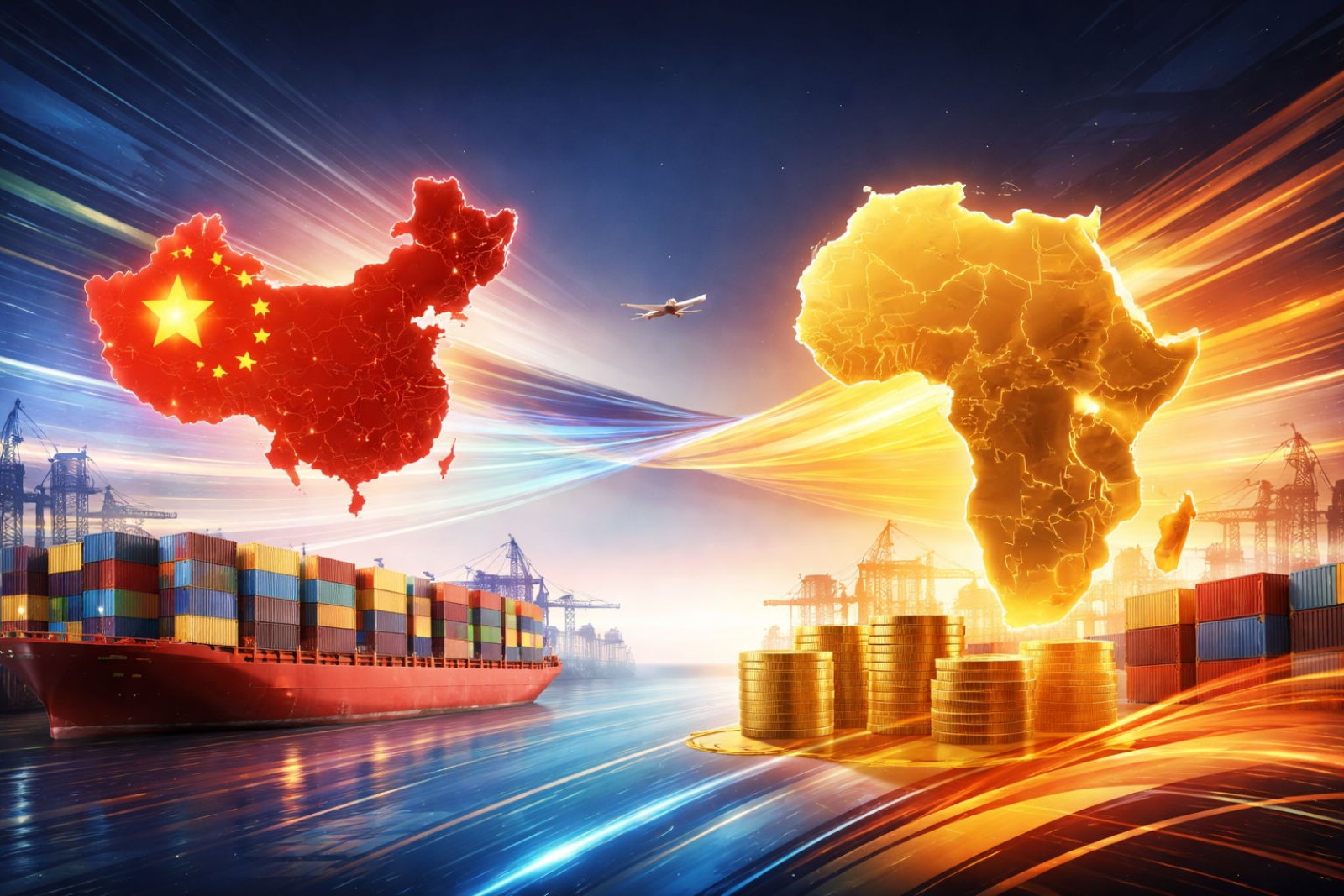
In a significant move to strengthen trade ties with Africa, China has announced a sweeping tariff elimination policy that will benefit dozens of nations across the continent. The initiative represents one of the largest expansions of duty-free access in recent years and signals Beijing's commitment to deepening economic partnerships beyond its borders.
China Rolls Out Tariff-Free Access for 53 African Countries
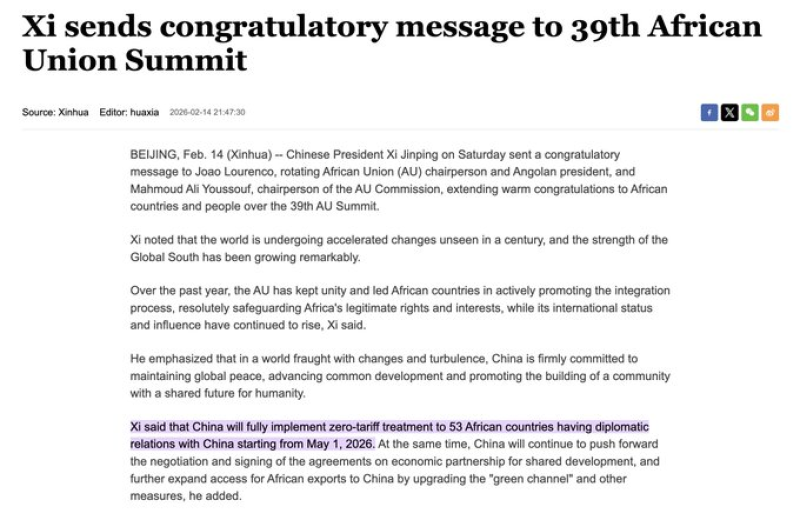
China revealed its plan to grant zero-tariff treatment to 53 African nations during communications linked to the African Union summit. According to trade analyst Li Zexin, the policy will take effect on May 1, 2026, and applies to all African countries that maintain diplomatic relations with Beijing. This expansion follows a similar program launched in 2025 that covered 33 least developed countries.
The announcement underscores China's strategy to create more favorable conditions for African goods entering its domestic market. By removing import duties, Chinese authorities aim to boost trade volumes and encourage greater economic integration between the regions.
Building Stronger Economic Partnerships Through Trade Policy
Chinese officials emphasized that the tariff exemption is designed to facilitate African exports and strengthen bilateral economic cooperation. The policy comes alongside ongoing discussions about economic partnership agreements and improvements to customs procedures that would make cross-border commerce smoother and more efficient.
The measure is intended to support African exports entering the Chinese market and deepen economic cooperation, officials stated during the announcement.
This initiative fits into China's broader approach to international trade, where preferential tariff arrangements serve as tools to expand market access and build long-term commercial relationships. The strategy mirrors trends seen in China's manufacturing surge reshaping global output, where Beijing leverages its economic weight to establish new trade corridors.
Impact on Global Trade Dynamics
The tariff policy demonstrates how adjustments to import duties can reshape supply chains and influence the flow of goods between regions. As China removes barriers for African products, the move may shift competitive dynamics in sectors ranging from agriculture to minerals and manufactured goods.
This development comes at a time when global trade relationships are being reconfigured, as evidenced by recent tensions affecting markets. The Dow Jones stalls amid tariff disputes highlight how trade policy changes can ripple through international markets.
For African exporters, the policy opens new opportunities to reach Chinese consumers without the burden of import taxes. The elimination of tariffs could make African goods more price-competitive and potentially increase export volumes significantly once the policy becomes active in mid-2026.
Global trade shifts toward new partnerships as nations seek alternatives to traditional trading blocs, and China's latest move positions it as a major economic partner for the African continent.
 Usman Salis