Peter Smith
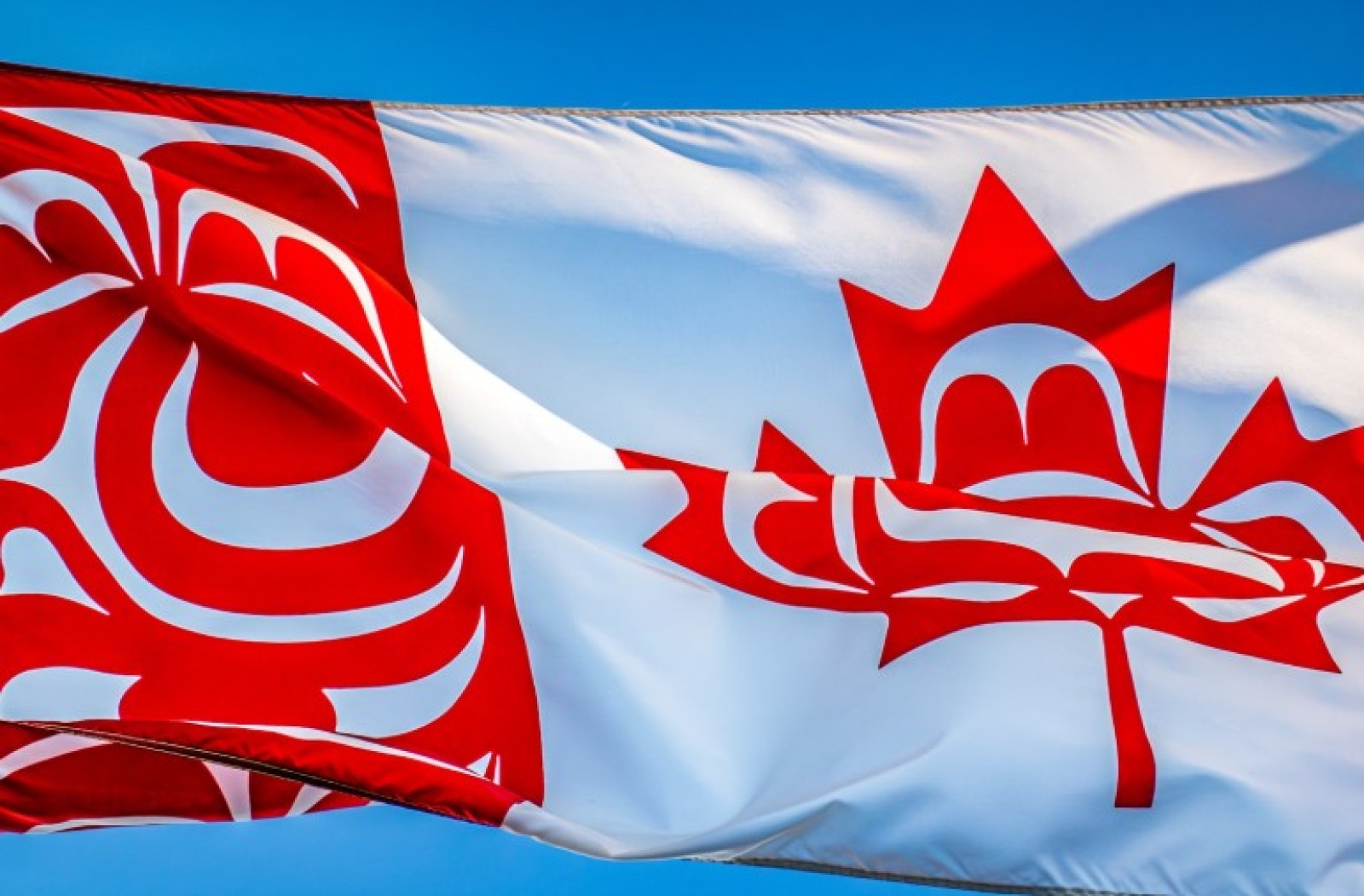
For some indigenous gaming operators in Canada, the increasing popularity and the growing confidence of regulatory freedoms across more of Canada's provinces, of online casino gaming, is something to watch with trepidation. While it might seem like a good move fiscally, as seen from the surging tax revenue generated from Ontario's well-regulated and rapidly maturing ecosystem, some indigenous groups feel they are not being served as well as they should be by the changing regulatory environment.
Let's take a closer look at the current online casino market that Canada operates under, how it differs between provinces and why indigenous groups want more control.
A Market Divided Along Provincial Lines
While online gambling is, broadly speaking, legal in much of Canada, the form it takes is strictly different depending on which territory or province you are in. Ontario has the most modern and seemingly successfully regulated market, which is where most new online casinos in Canada can be found to be regulated. The Ontario market allows operators to register with the Alcohol and Gaming Commission of Ontario (AGCO) and, as long as they meet the regulatory requirements, are then able to provide online gaming services in the province.
The other provinces and territories currently have a much more conservative outlook, with some of them offering some rudimentary state-operated platforms and lotteries. While the prevailing thought is that many of the other territories will follow in Ontario's footsteps, no regulatory changes are currently in the offing.
An interesting exception to this rule is that indigenous people in Canada are able to exercise their First Nations rights to offer online gambling services across Canada without the need to satisfy other provincial or territorial requirements. The most notable of the indigenous online casino stakeholders is the Kahnawàke Gaming Commission (KGC), which has operated and regulated its own online gambling services, under the name Mohawk Online, for more than two decades.
The Online Ecosystem is a Different Beast
It's obvious that online casino gaming will function significantly differently from the way that physical gaming does, but First Nations peoples claim that as online gaming rises in prominence, they are losing out more than they could potentially gain, unless further assurances or regulations are put in place.
Many of the physical venues in Canada have been set up with specific revenue-sharing agreements with First Nations groups, built with the aid of economic partnerships and exist under terms negotiated with provincial regulators. Much of this is possible because of the special acknowledgement of sovereignty that Indigenous communities in Canada get, and it has allowed them to generate gaming revenue from any operations that take place on their lands, regardless of other provincial or territorial rules.
Casinos that exist in a digital space, obviously, are not bound by the same agreements or boundaries. Even where agreements about physical venue operation exist between First Nations groups and provinces, the provinces have remained in a more directly controlling role of online gambling services. Preferring to hold the responsibility to manage these activities as the provinces', instead of an agreement or negotiation that includes the First Nations peoples.
This means that for any Indigenous groups that have been running land-based casinos for the last 40 or so years, they might find their revenue undercut by a rising tide of online gaming options that utilise new technologies and payment methods like Bitcoin, with no allowances made in their favor.
More Control For Indigenous Groups
There have been some steps made towards giving First Nations groups more control over what takes place on their land, but some among the First Nations claim it is not enough. Notably, the Mohawk Council of Kahnawàke (MCK), the owners of the KGC, have stated that they aren't getting what they would like to see. Among the reasons that some Indigenous leaders desire greater control over online gaming activities are the following:
● Proper recognition of sovereignty: First Nations people claim that by limiting them to abide by the regulatory environments that the provinces and territories construct, they are not afforded the sovereignty that they are due. Meaning that they should be free to offer and regulate gaming services as they see fit, without outside interference.
● Economic freedom: Being able to generate a substantial economic revenue from gaming activities is an important part of the financial ecosystem for many First Nations groups. Without access to the online market autonomously, they claim that a substantial amount of revenue and economic freedom will be lost.
● Keeping money in the community: Many indigenous groups claim that the revenue that is generated from their casino operations is almost all used to better local communities, which is not the case for operations that are run by big corporations with overseas headquarters.
Final Thoughts
The online casino market in Canada is one that seems poised to grow rapidly, with just a few regulatory changes and freedoms to allow platforms to spring up faster than mushrooms after rain. But is that market one that will treat the First Nations people fairly? The leaders of the MCK seem to think that the current online ecosystem for online gambling in Canada is not one where ideals of the sovereignty of Indigenous peoples and their economic right to self-determination are being honored.
There are some suggestions that things may change, but no clear indications on what may become of Canada's online gambling market at present
 Peter Smith