Marina Lyubimova
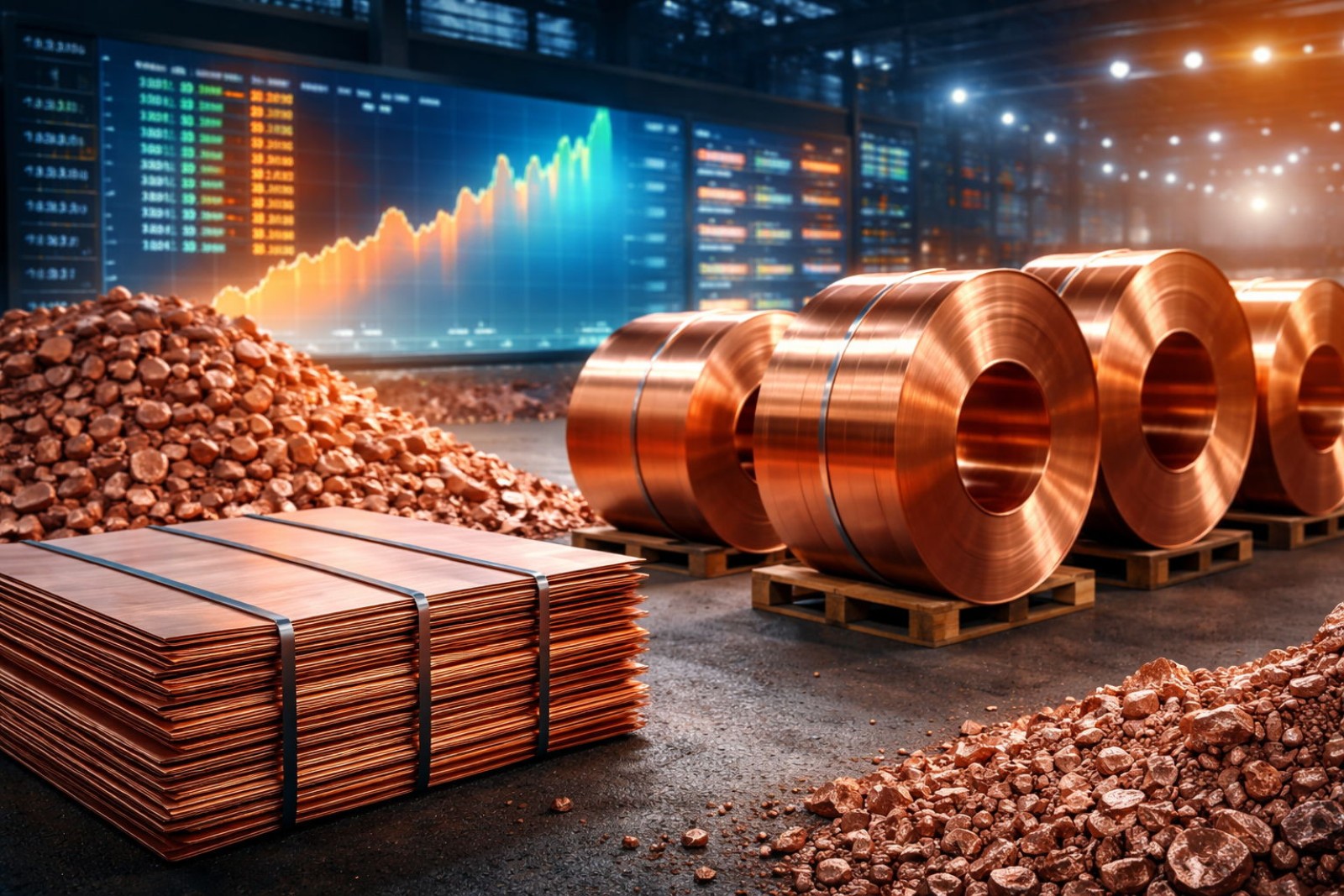
Copper prices are holding firm near $5.97 per pound even as U.S. warehouse inventories balloon to levels unseen in three decades. The United States now stores around 590,000 tons of copper in COMEX facilities—roughly 300% more than a year ago and the largest copper stockpile in decades. Traders are piling metal into American warehouses ahead of possible 15–25% tariffs, creating an unusual glut that could reverse once policy clarity returns.
COMEX Copper Inventory Surge Driven by Tariff Fears
The COMEX total now tops combined inventories across the LME and Shanghai exchanges, showing just how concentrated copper has become inside U.S. borders. This buildup isn't about mine output changes or demand collapse—it's logistics and policy positioning.
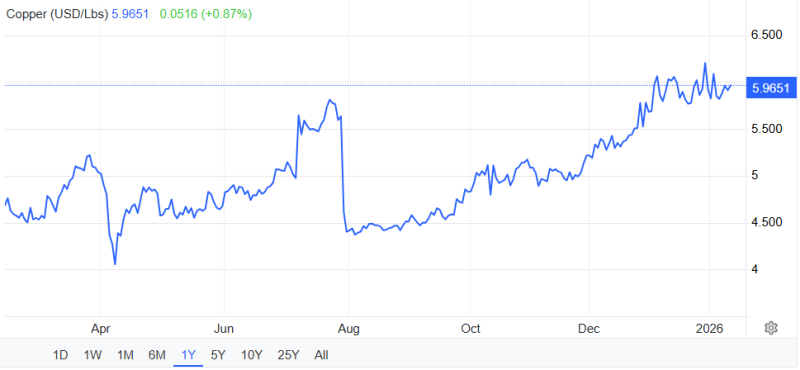
Traders are front-running tariffs, pulling metal into the U.S. before potential import duties kick in. That creates what one analyst calls "a temporary glut," where prices can stay elevated even as inventories climb. Similar inventory pressures hit copper recently when exchange stockpiles surged across global warehouses.
Goldman Warns of Price Dip Once Tariff Uncertainty Clears
Goldman Sachs flagged a reversal risk tied to the tariff narrative. This matches the broader pattern where copper rallies on tightness and then retraces when supply visibility improves—echoing dynamics seen in recent rallies driven by Chilean production concerns.
Longer-term demand projections offer a counterweight to near-term warehouse risk. AI data centers could require around 50,000 tons of copper each, while mine supply takes 20+ years to scale. Power demand is projected to rise roughly 130% by 2030, fueling expectations that copper demand could jump 50% by 2040. The copper debate now splits between short-term tariff flows and long-term supply constraints, leaving prices caught between immediate glut risks and structural electrification tailwinds.
 Marina Lyubimova