
 Alex Dudov

Alexander T. Graham leads FBLA-PBL as President and CEO, a role he's owned since 2013. His path to the top wasn't some overnight success story—it's been built over 30 years of grinding through the education system, learning what works, and figuring out how to make opportunities happen for students who want to break into business.
Who Is the Current CEO of FBLA and Where Did He Start?

Graham's the current CEO of FBLA, but he didn't begin his career sitting in corner offices. Back in the 1990s, he was a business education teacher in Virginia's public school system, pulling in what most teachers made back then—probably around $30,000 to $40,000 a year. Not exactly fortune-making money, but it gave him something more valuable: a front-row seat to what students actually needed to succeed in business.
Those teaching years showed Graham that classroom instruction alone wasn't enough. Kids needed real-world skills, networking opportunities, and a taste of what business competition actually felt like. That realization pushed him beyond teaching and into building programs that could scale statewide.
The Career Climb: From Classrooms to State Leadership

Graham moved up to become Virginia's State Director for Marketing Education in the early 2000s. The position probably brought his salary somewhere between $60,000 and $80,000, but more importantly, it gave him control over how business education worked across an entire state. He wasn't just teaching anymore—he was designing the systems that shaped how thousands of students learned about business.
This state-level work put Graham directly in touch with FBLA chapters throughout Virginia. He saw what made some chapters thrive while others struggled. He learned how to manage budgets, deal with bureaucracy, and convince skeptical administrators that business education deserved more resources. All of that experience made him the obvious choice when FBLA's national board went looking for new leadership in 2013.
What FBLA's CEO Makes Now and How He Got There
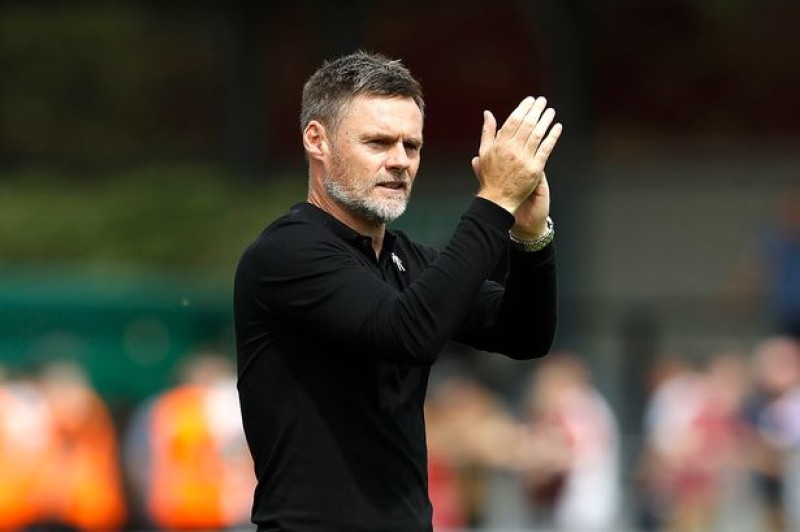
When Graham took over as CEO, his compensation jumped to what you'd expect for running a major national nonprofit—somewhere in the $150,000 to $200,000 range annually. The exact number isn't public, but tax documents for organizations like FBLA-PBL give you a pretty good idea. For context, he's managing a multi-million dollar operation that spans all 50 states, so the salary matches the responsibility.
Graham's current net worth probably sits between $1 million and $3 million. That comes from decades of steady salaries in education leadership, some speaking fees, and smart investments in education technology companies. He's not buying yachts, but he's comfortable—which makes sense for someone who spent his career in public service rather than chasing Wall Street money.
How Graham Transformed FBLA Into What It Is Today

Under Graham's watch, FBLA-PBL has blown up in size and reach. The organization now serves over 250,000 members, with chapters in middle schools, high schools, and colleges nationwide. Graham didn't just maintain what was already there—he rebuilt FBLA for the digital age.
He brought in corporate partnerships with heavy hitters like Amazon, Walmart, and LinkedIn. He created new competitive events that actually reflect what modern businesses need. And he pushed the organization to embrace online learning tools when a lot of traditional education groups were still printing everything on paper. The annual budget has grown to around $15 million, and Graham's got plans to hit 300,000 members by 2027.
Who Is the Current CEO of FBLA Teaching About Success?

Graham talks a lot about what made his career work, and his advice usually comes back to a few core ideas that shaped his own path:
- Do meaningful work first, chase paychecks later. Graham's always saying those early teaching years—when he was barely making rent—built everything that came after. He genuinely believes that if you focus on work that matters, the money eventually shows up. Chasing salary alone leaves you empty-handed.
- Build your network before you need it. Graham spent years forming relationships with educators, administrators, and business leaders throughout Virginia and beyond. When that CEO position opened up, he wasn't some unknown candidate—people already knew what he could do because he'd invested in those connections long before he needed them.
- Change or die. Graham pushed FBLA hard to modernize when a lot of old-school organizations were clinging to how things used to be. He brought in digital competitions, online resources, and partnerships with tech companies. His point: if you're not evolving, you're already behind.
- Your success is measured by who you help. Graham runs a student organization, so this one's central to how he thinks. He measures his wins by how many of those 250,000 members actually land jobs, start businesses, or find careers they love. Personal accolades don't mean much if the people you're supposed to serve aren't benefiting.
- Keep learning, always. Even after hitting the CEO spot, Graham's constantly at conferences, reading up on new trends in business education, and looking for what's next. He thinks the moment you stop learning is the moment you become irrelevant, regardless of what title you hold.
What's Next for FBLA Under Graham

Graham's not coasting. He's rolling out new programs focused on entrepreneurship, financial literacy, and bringing more diversity into business leadership pipelines. His compensation probably includes performance bonuses tied to membership growth and program success, which could push his total package higher as FBLA keeps expanding.
So when people ask who is the current CEO of FBLA, the answer is Alexander Graham—a guy who spent 30 years moving from classroom teacher to running one of America's biggest student organizations. He built it by focusing on impact over income, though the income followed once the impact was undeniable. His story proves that in education leadership, you don't get shortcuts to the top—you earn it one program, one relationship, and one student success at a time.
 Alex Dudov



