Alex Dudov
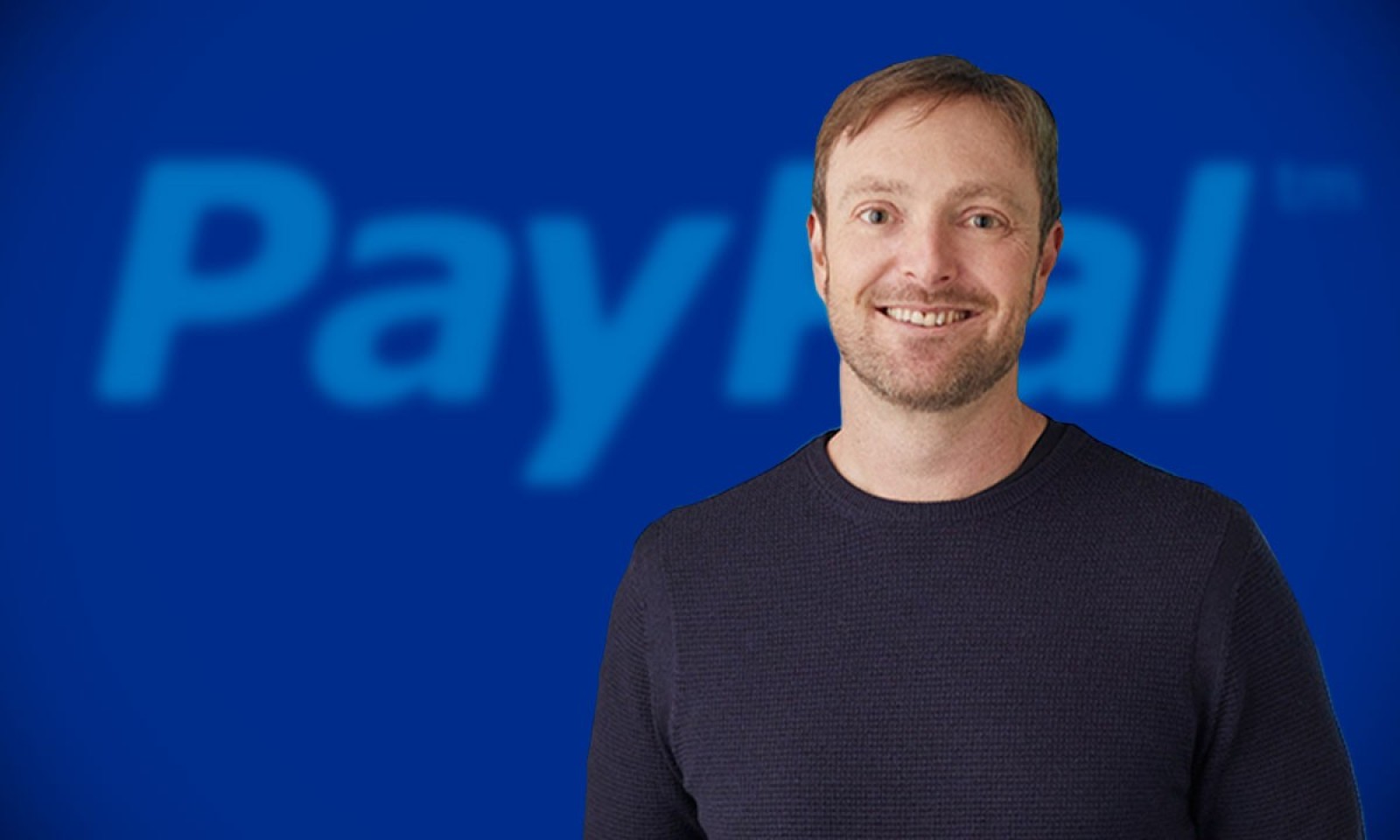
When people ask who is the CEO of PayPal, they're asking about one of the most influential positions in modern finance. Alex Chriss took the helm of this fintech giant in late 2023, and his journey from a young professional to leading a company that processes hundreds of billions in transactions tells a fascinating story about what it takes to reach the top in Silicon Valley.
Who Is the CEO of PayPal Today?
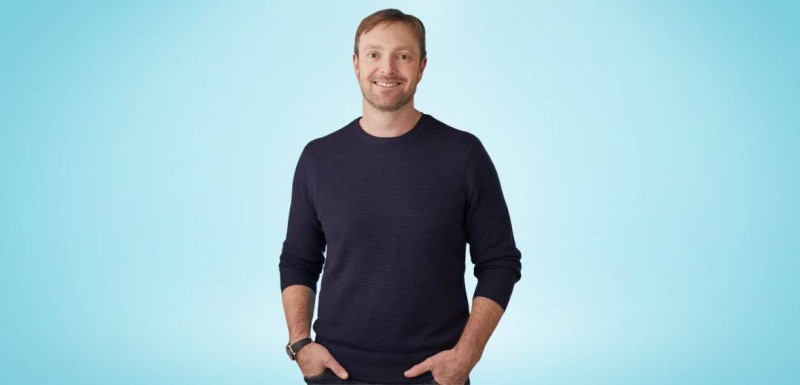
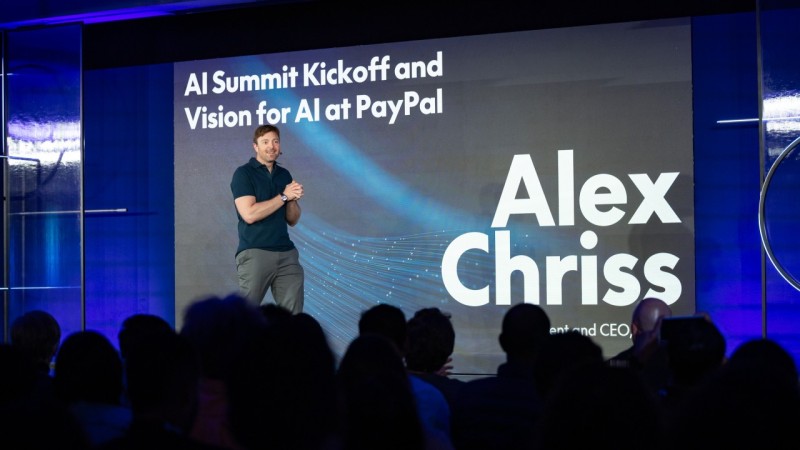
Alex Chriss became PayPal's president and chief executive officer on September 27, 2023, stepping into one of the most challenging roles in financial technology. Before taking over PayPal, he spent 18 years at Intuit, most recently running the Small Business and Self-Employed Group. His appointment came at a pivotal moment when PayPal needed fresh leadership to reignite growth and stay competitive in an increasingly crowded payments market.
Chriss didn't grow up destined for the corner office. He earned his bachelor's degree from UC San Diego and later got his MBA from Stanford. These weren't just credentials on a resume though—they opened doors and taught him how to think strategically about business problems that millions of people face every day.
Early Career and First Paycheck
Alex Chriss started out in management consulting and technology strategy before joining Intuit back in 2005. His first role there focused on small business solutions, and pretty quickly people noticed he had a knack for understanding both the technical side of software and what actual business owners needed to succeed.
During those early Intuit years, Chriss was probably pulling in somewhere between $80,000 and $120,000 a year in mid-level product roles—decent money for the Bay Area tech scene in the mid-2000s, but nothing close to executive compensation. Nobody tracks exact numbers from that far back, but his rapid climb through the company tells you he was consistently crushing his goals and proving he could deliver real results.
Career Growth: From Product Manager to Executive Leader
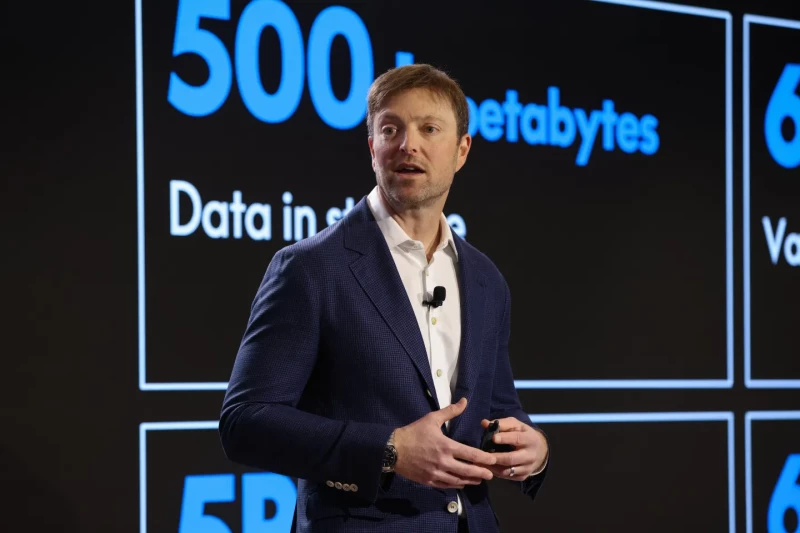
Over nearly two decades at Intuit, Chriss built an impressive track record. He moved through various leadership positions until he was running Intuit's entire Small Business and Self-Employed Group, which included QuickBooks, QuickBooks Online, and Mailchimp after they dropped $12 billion to acquire it in 2021. By the time he hit executive vice president, his total pay package was likely somewhere north of $2-3 million annually when you factor in salary, bonuses, and stock.
What made his Intuit experience so valuable was how directly it prepared him for PayPal's challenges. Chriss helped turn QuickBooks from old-school desktop software into a cloud platform serving millions of small businesses worldwide. He figured out subscription models, built platform ecosystems, and learned exactly what keeps entrepreneurs up at night when they're managing their finances—all stuff that matters tremendously for PayPal's merchant services.
When PayPal's board was deciding who is the CEO of PayPal going forward, they picked Chriss specifically because he'd proven he could innovate around customer needs and scale technology platforms. Managing products used by over 6 million small businesses gave him insights that most fintech executives just don't have.
Reaching the Peak: PayPal CEO Compensation and Current Status

When Alex Chriss stepped into the CEO role at PayPal, he took on one of the biggest jobs in fintech. His compensation reflects that reality—his first full year as CEO will likely bring in somewhere between $15-20 million total when you count his roughly $1 million base salary, performance bonuses, and the substantial stock grants tied to how well the company performs.
PayPal isn't some scrappy startup anymore. It serves over 400 million consumer accounts and millions of merchants across more than 200 markets globally. Under Chriss's leadership, the company's been focusing on improving profitability, making checkout smoother, and pushing into areas like crypto services and buy-now-pay-later options. His strategy seems to be about making PayPal genuinely essential for everyday transactions rather than chasing every shiny new fintech trend.
PayPal's market cap sits around $70-80 billion these days, making it one of the biggest independent fintech players out there. Whether Chriss succeeds will come down to whether he can drive consistent growth and keep shareholders happy in a payments world that gets more competitive every year.
Alex Chriss's Principles for Success
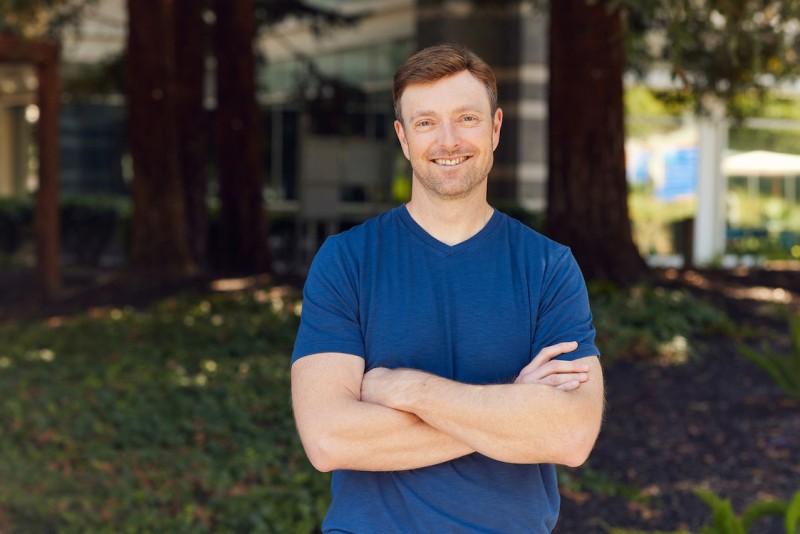
Throughout his career, Chriss has stuck to several core beliefs that helped him climb to the top. First off, he's obsessed with customer needs over cool features. He's always pushed his teams to actually spend time with real small business owners and understand their daily headaches rather than just guessing from some corporate office.
Second, he thinks in terms of platforms, not products. Instead of building isolated tools, he believes in creating ecosystems where everything works together smoothly. That's how he transformed QuickBooks into a complete small business management system, and it's shaping how he sees PayPal's future as way more than just a payment button.
Third, Chriss plays the long game. He's talked openly about making investments that might not pay off this quarter but set companies up for sustained leadership down the road. That means putting money into infrastructure, data systems, and people development even when it hits short-term numbers.
Finally, he's convinced that operational excellence wins wars in the long run. In payments where margins are tight and reliability is everything, he figures the companies that execute consistently and efficiently will come out on top. At PayPal, he's been streamlining operations and improving the economics while still pushing for growth.
For anyone wondering who is the CEO of PayPal and what kind of leader runs the place, Alex Chriss represents a data-driven, customer-focused approach grounded in real enterprise software experience. His journey from working his way up at one company to running a fintech powerhouse shows that deep product knowledge, consistent delivery, and genuine understanding of what customers need still matter enormously in tech. Whether he'll successfully guide PayPal through its next chapter is the big question hanging over his tenure, but his track record suggests he's got the vision and skills to pull it off.
 Alex Dudov