Alex Dudov
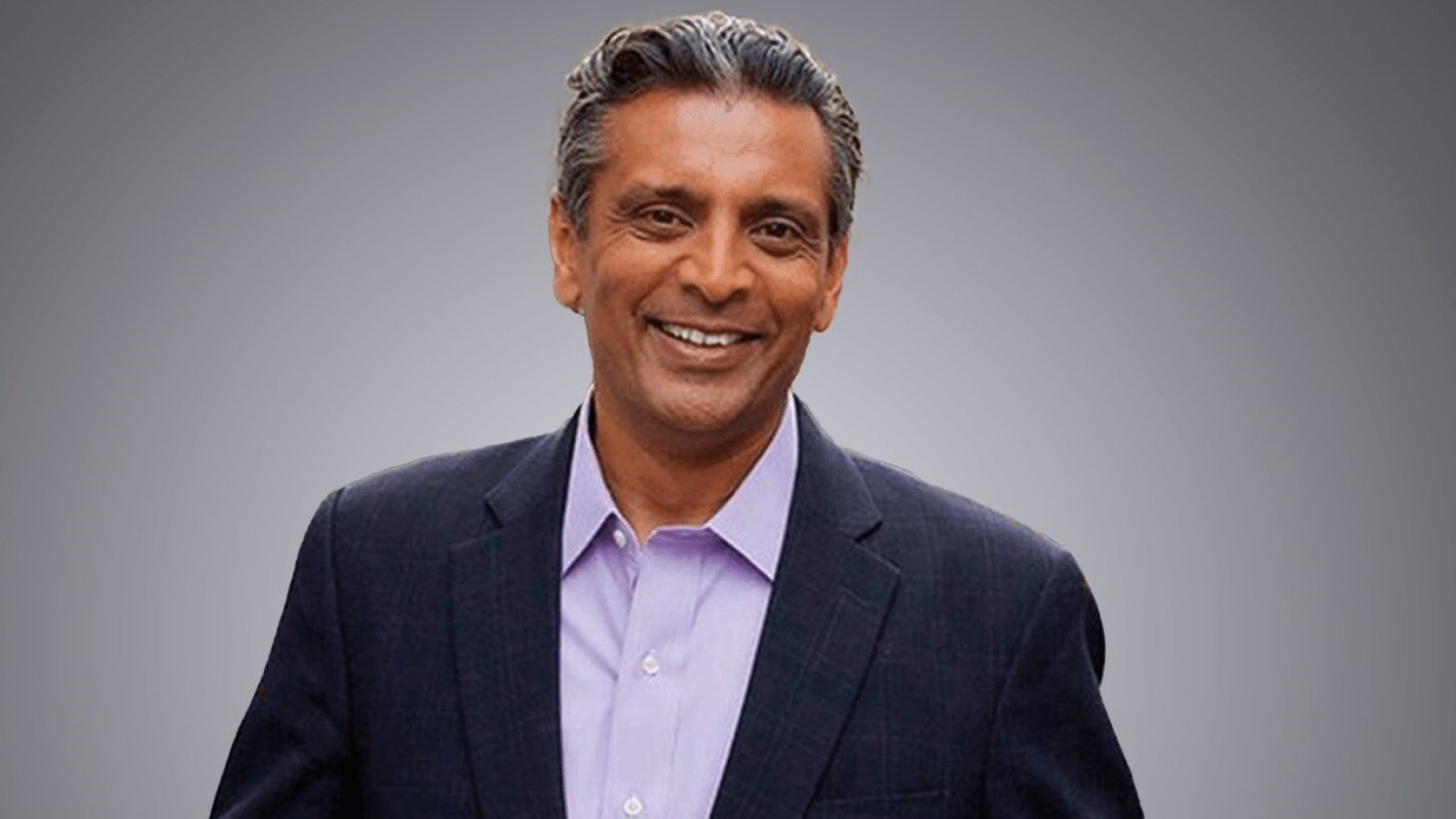
Raj Subramaniam took over as President and Chief Executive Officer of FedEx Corporation on June 1, 2022, stepping into shoes worn by legendary founder Frederick W. Smith for over five decades. Born in 1966 in Thiruvananthapuram, India, Subramaniam represents a fresh generation of leadership for the Memphis-based shipping giant. Today, he oversees a $90 billion enterprise with more than 500,000 employees serving customers in over 220 countries and territories around the globe.
Who Is the CEO of FedEx Today?

Before landing the top job, Subramaniam spent nearly three decades working his way up through FedEx's ranks. His appointment marked a huge shift for a company that had always been led by its visionary founder. These days, when people ask who is the CEO of FedEx, they're talking about a leader focused on modernizing operations, making the network run smoother, and helping the company adapt to the booming world of e-commerce.
Subramaniam brings a unique perspective to the role, combining deep operational knowledge with financial expertise and a truly global understanding of logistics. He's dealt with everything from marketing challenges to running major regional operations, giving him a well-rounded view of how the business actually works on the ground.
Early Career: Where Raj Subramaniam Started Earning
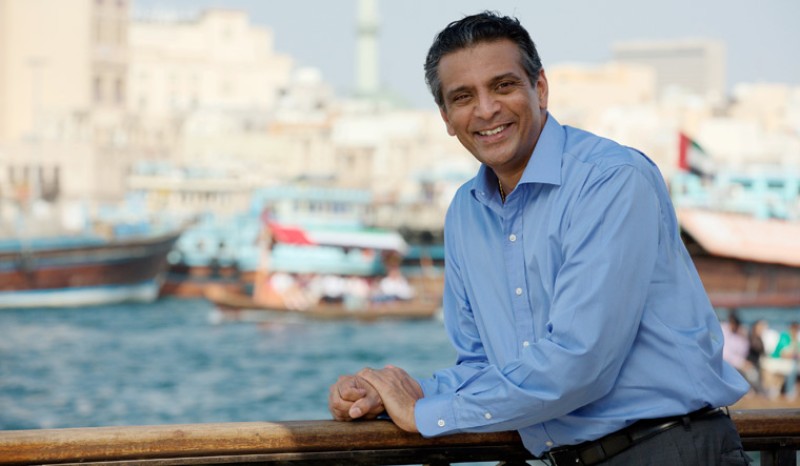
Subramaniam built a solid foundation through education first. He got his bachelor's degree in chemical engineering from the Indian Institute of Technology Bombay in 1987, then headed to the University of Texas at Austin for an MBA in finance and marketing, graduating in 1991. Right after business school, he joined FedEx in 1991 as a financial analyst at the company's Memphis headquarters.
His first real paycheck probably came in around $40,000 to $50,000 a year, pretty standard for an entry-level analyst back then. But it didn't take long for people to notice his skills. Within just a few years, he moved from crunching numbers to getting his hands dirty with actual operations, working in air operations and strategic planning. Getting exposure to both the money side and the operational side early on turned out to be a smart move that paid off big time later.
Career Growth: Rising Through FedEx Ranks
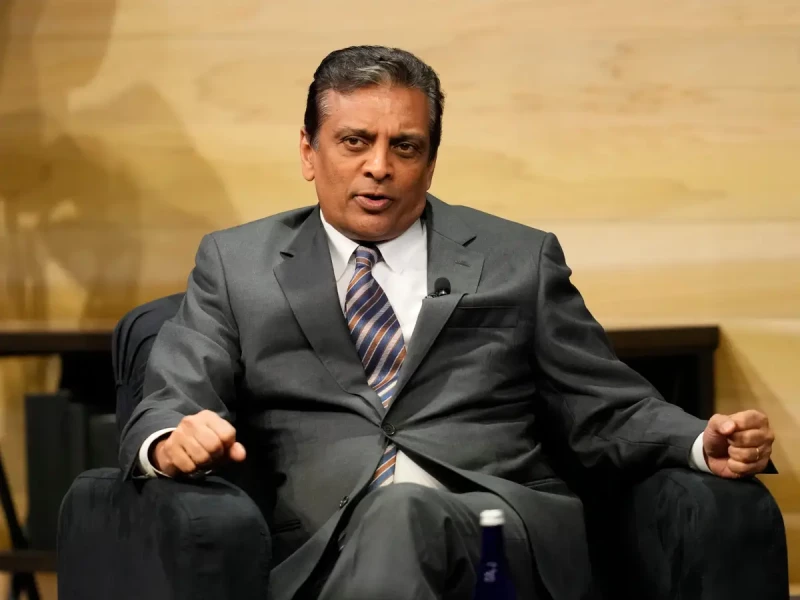
Subramaniam's journey up the corporate ladder shows what consistent performance and smart career choices look like. Through the 1990s and early 2000s, he kept taking on bigger roles across different parts of the company. He spent time in Canada running marketing efforts, then packed his bags for Hong Kong to oversee operations across the Asia-Pacific region, which was growing like crazy for FedEx at the time.
By 2003, he'd climbed to Senior Vice President of Marketing and Communications for FedEx Services, where he was probably pulling in somewhere between $200,000 and $300,000 with bonuses included. His real breakthrough came in 2006 when he became President of FedEx Express Canada, managing a major chunk of the business. Then in 2012, he got bumped up to Executive Vice President of Marketing and Communications for the whole corporation, and the following year added Chief Marketing and Communications Officer to his title.
His paycheck grew right along with his responsibilities. When he became President and CEO of FedEx Express in 2017—that's the company's biggest operating division—his total compensation package jumped past $4 million a year when you count base salary, bonuses, and stock awards. That role basically put him next in line for the CEO spot.
Peak Success: Becoming CEO of FedEx
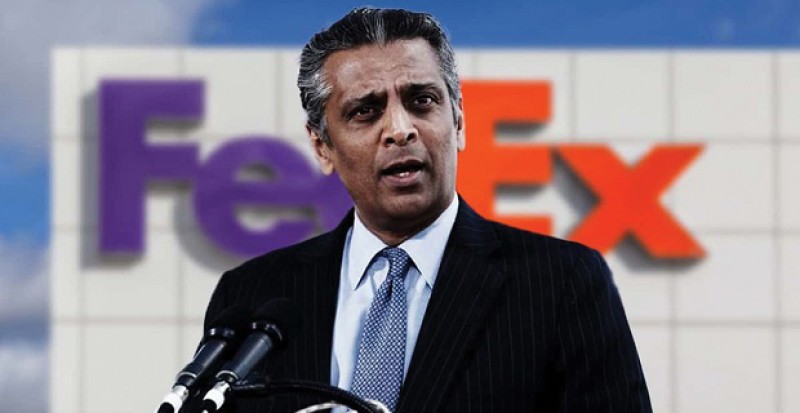
Subramaniam hit his career high point when he was named President and Chief Operating Officer of FedEx Corporation in 2019, then made the final jump to President and CEO in 2022. His base salary runs about $1.4 million, but when you add in performance bonuses, stock awards, and other perks, his total compensation package tops $20 million annually.
Now when people ask who is the CEO of FedEx, they're asking about someone dealing with some serious industry headwinds—inflation eating into margins, delivery volumes going up and down, and Amazon building out its own massive logistics network to compete directly. Under his watch, FedEx has rolled out major restructuring efforts, including something called the DRIVE program that's supposed to cut costs by $4 billion. He's also made big calls like separating FedEx Freight and pouring money into automation technology to stay competitive.
Current Net Worth and Earnings
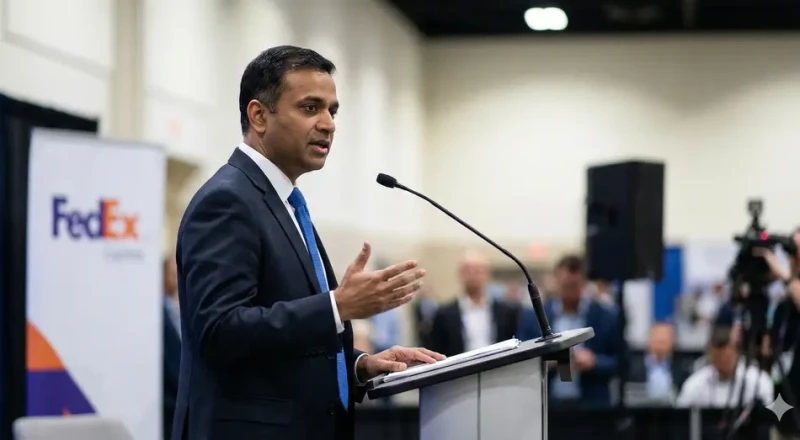
Nobody knows Subramaniam's exact net worth since he keeps his finances private, but people who analyze this stuff estimate he's worth somewhere between $50 million and $100 million. Most of that wealth comes from FedEx stock he's accumulated over three decades with the company, plus those hefty annual pay packages.
In fiscal year 2023, Subramaniam pulled in roughly $22.9 million total, putting him among the top earners in the transportation and logistics world. His pay structure ties directly to how the company performs, with big chunks linked to FedEx's stock price and how well operations are running. When FedEx stock goes up or down with market conditions, the value of his holdings moves right along with it.
Right now, estimates suggest Subramaniam could earn anywhere from $15 million to $30 million a year depending on company performance and whether the stock appreciates. His wealth keeps growing through restricted stock units, performance shares, and other executive compensation tools that Fortune 500 CEOs typically get.
Key Principles: Subramaniam's Success Philosophy
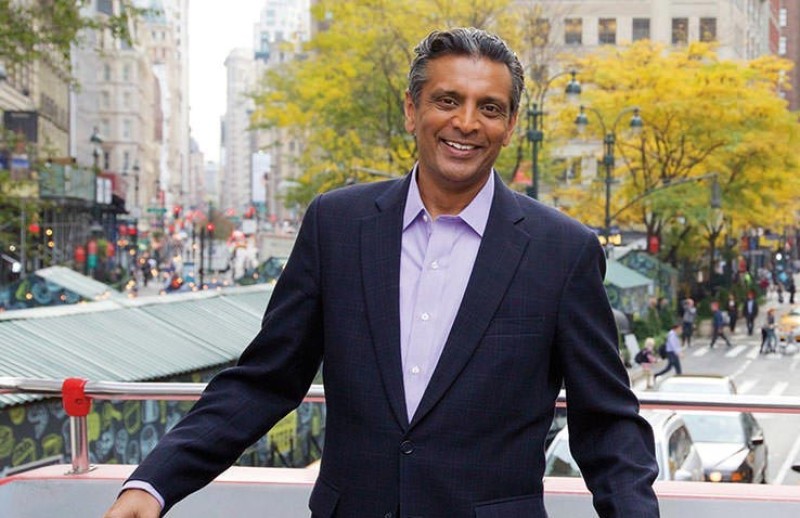
Over the years, Raj Subramaniam has talked about several core ideas that helped him reach the top of FedEx:
- Think globally and adapt to different cultures. Having worked across multiple continents—India, North America, Asia-Pacific—Subramaniam really believes you need to understand different markets and what customers actually want in each place. Success in global business isn't just about racking up stamps in your passport; it's about genuinely getting how different cultures operate.
- Use technology to run better operations. Subramaniam constantly pushes for embracing new tech. He's pushed FedEx hard to invest in automation, data analytics, and making the digital customer experience better, arguing that logistics companies need to become technology companies if they want to survive long-term.
- Play the long game, not the quarterly earnings game. Instead of obsessing over what happens every three months, Subramaniam focuses on building sustainable business models and getting the company positioned right for the future. His DRIVE restructuring program might be messy in the short run, but it's supposed to set FedEx up for better profitability down the road.
- Put people first, even in a huge corporation. Despite running a massive company, Subramaniam keeps saying that FedEx's success really comes down to its team members. He regularly talks about investing in training, keeping people safe, and keeping them engaged as the foundation everything else is built on.
- Stay adaptable and keep learning. The fact that Subramaniam was willing to jump between such different roles during his career—finance, marketing, operations—shows he believes leaders need to be flexible and always expanding what they can do. He often mentions how important it is to be comfortable with change and uncertainty, because that's just how business works these days.
 Alex Dudov