Alex Dudov
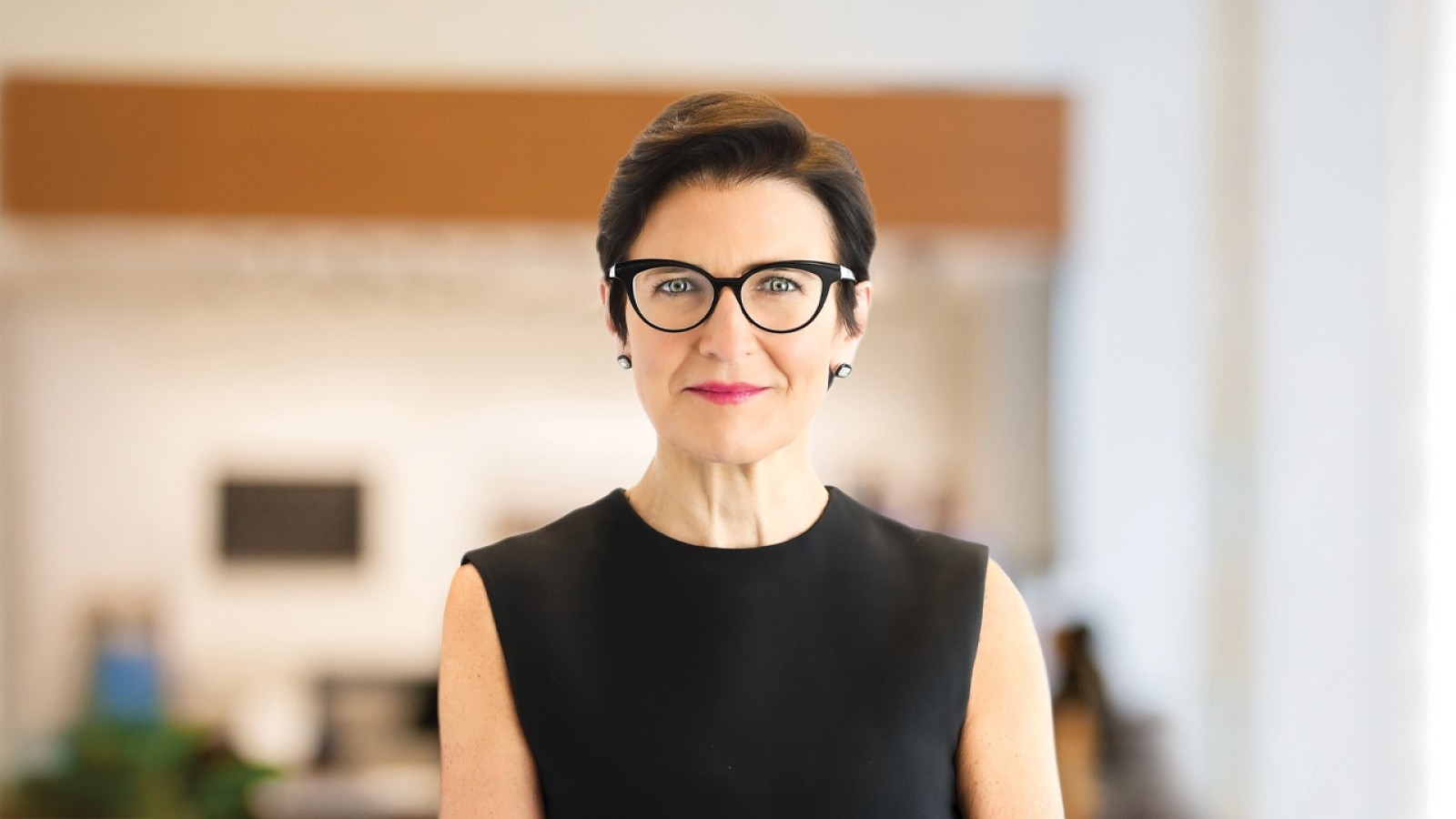
Jane Fraser's story isn't your typical Wall Street fairy tale. She didn't start out in New York, and she certainly didn't have the banking world handed to her on a silver platter. Instead, she built her career one tough assignment at a time, proving herself in roles that others might have avoided. Today, she runs one of the biggest financial institutions in America, and her journey from a Scottish university student to the top of Citibank is packed with lessons about ambition, timing, and knowing when to take calculated risks.
Early Career: Where the CEO of Citibank Started

Fraser grew up in St. Andrews, Scotland, born in 1967 into a world where women leading major banks was basically unheard of. After finishing her economics degree at Cambridge University, she headed to Harvard Business School and graduated with her MBA in 1994. That's when the real money-making began. She landed at McKinsey & Company, one of those elite consulting firms where the smartest people in finance go to cut their teeth. Fraser spent about ten years there as a partner, pulling in solid six-figure paychecks while advising banks on their biggest problems. Back in the late 90s and early 2000s, she was probably making somewhere between $300,000 to $500,000 annually, maybe more as a senior partner. Not bad for someone still learning the ropes, right? But the real education wasn't about the money. She was studying how banks worked from the inside out, understanding their strategies, their failures, their opportunities. That knowledge would become her secret weapon.
Building Her Fortune at Citigroup
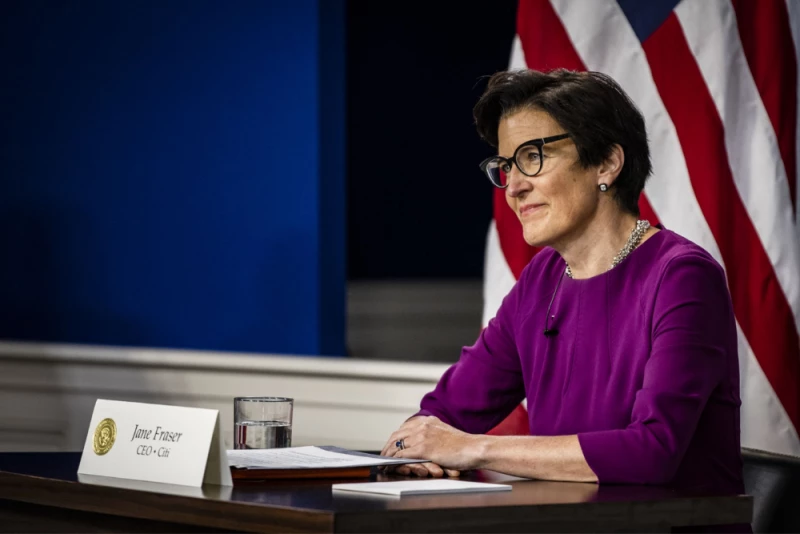
In 2004, Fraser made the jump from consulting to actually running things, joining Citigroup's private equity division. This is where her earnings really started climbing. She moved through the ranks pretty quickly, taking on bigger roles every few years. By 2009, she was heading up Citi's strategy and M&A operations, commanding compensation well into the seven figures. Her reputation as a problem-solver grew, and in 2013, she got handed what many saw as a poisoned chalice: running CitiMortgage right when the whole mortgage industry was still reeling from the financial crisis. Most executives would've run the other way, but Fraser took it on and actually turned the division around. That's when the serious money started flowing. By 2015, when she became CEO of Citi's Latin America division, her total compensation package was hitting around $12 to $15 million a year. Four years later, running the Global Consumer Banking division, she was pulling in over $20 million annually. These weren't just participation trophies either. Fraser was genuinely transforming these divisions, making hard calls, and delivering results that justified every dollar.
Reaching the Peak: First Female CEO of Citibank
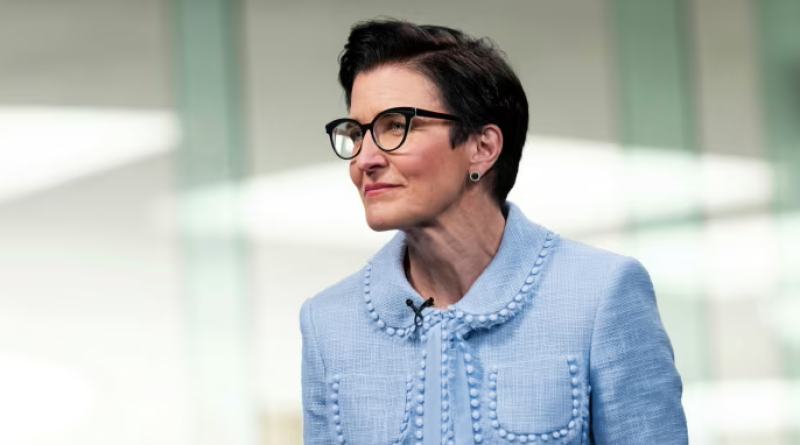
March 2021 was the moment everything changed. Fraser became the CEO of Citibank, and suddenly she wasn't just another executive. She was the first woman ever to run a major Wall Street bank. Think about that for a second. We're talking about an industry that's been around for centuries, and it took until 2021 for a woman to get the top job at one of the big players. Her first year as CEO of Citibank came with a compensation package worth about $22.5 million, mixing base salary, bonuses, and stock awards. The next year, 2022, she earned around $24.5 million. But here's the thing: being CEO isn't just about collecting a fat paycheck. Fraser inherited a mess of challenges. Citigroup was sprawling across too many markets, facing regulatory heat, dealing with outdated technology, and trying to compete with nimbler competitors. She's spent the last few years making some pretty gutsy calls, like pulling Citi out of consumer banking in 14 different countries to focus on what they do best: serving big institutions and wealthy clients.
Current Net Worth and Earnings

So what's all this work added up to? Fraser's net worth today sits somewhere between $50 and $70 million. That's not billionaire territory, but it's definitely "never worry about money again" status. Most of that wealth comes from years of stock compensation and performance bonuses that she's accumulated since joining Citigroup two decades ago. Right now, as CEO of Citibank, she's making around $25 to $26 million a year when you add up everything: her $1.5 million base salary, annual bonuses, and long-term stock incentives that vest over time. A huge chunk of her wealth is still tied up in Citigroup stock, which actually makes sense. It means she wins when the bank wins, and she feels the pain when it doesn't. For perspective, she's running a company with about $2 trillion in assets and operations in nearly 100 countries. The pressure is insane, the hours are brutal, and one wrong decision could tank billions in shareholder value. When you look at it that way, $25 million starts to seem less like highway robbery and more like the going rate for that kind of responsibility.
Fraser's Success Principles: Lessons from a Trailblazer
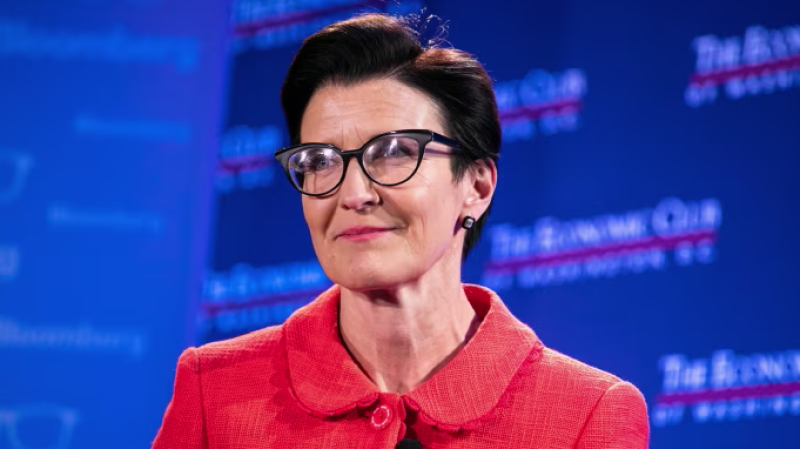
Fraser's pretty open about what got her to the top, and her advice is worth paying attention to. First off, she's big on taking the jobs nobody else wants. That CitiMortgage gig during the financial crisis? Everyone thought it was career suicide, but she saw it as an opportunity to prove what she could do when things got tough. And she was right. Second, she talks a lot about being yourself at work. Don't try to act like some corporate robot or pretend to be someone you're not. She genuinely believes that different perspectives make better decisions, and her whole career backs that up. Third, Fraser's a huge believer in becoming an expert in your field while staying flexible enough to adapt when things change. She mastered traditional banking, then pivoted to digital transformation without missing a beat. Fourth, don't be scared to make bold moves. Her decision to exit all those consumer markets wasn't popular at first, but she believed it was the right strategic call for Citigroup's future. And finally, she's constantly talking about mentorship and having people in your corner who believe in your potential, not just your resume. She credits a lot of her success to bosses who took chances on her before she had the track record to justify it. The takeaway? Success isn't about playing it safe or waiting for permission. It's about building real skills, taking smart risks, and being willing to do the hard work that others avoid.
 Alex Dudov