
 Sergey Diakov
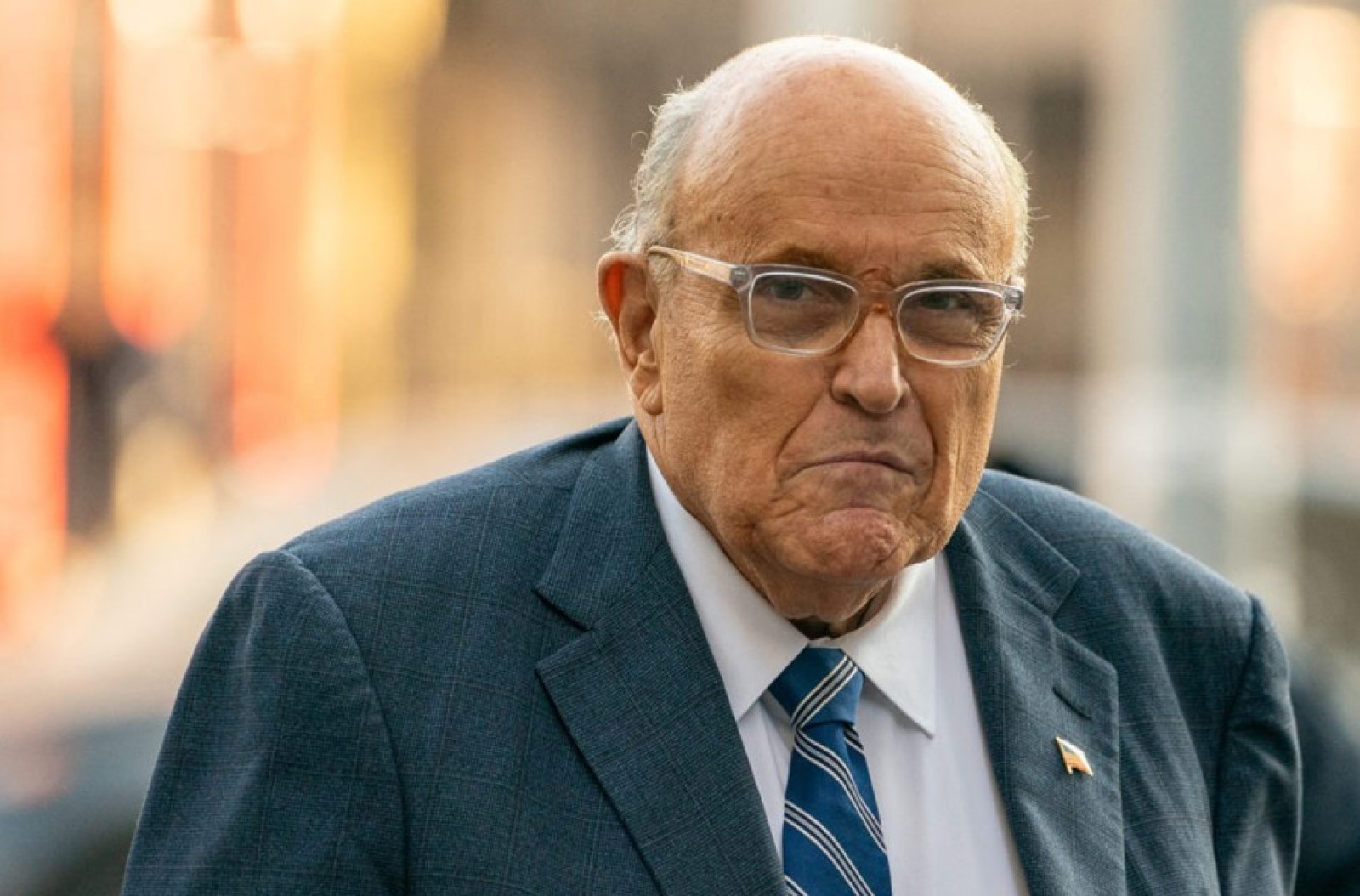
Once celebrated as "America's Mayor" following 9/11, Rudy Giuliani's financial story reads like a cautionary tale of how quickly fortune can disappear. The man who prosecuted mobsters, led New York through its darkest day, and commanded six-figure speaking fees now finds himself drowning in debt with creditors circling. His journey from Brooklyn kid to multimillionaire to bankruptcy offers a stark reminder that reputation and wealth, no matter how solid they seem, can crumble in the blink of an eye.
Early Career and First Paychecks
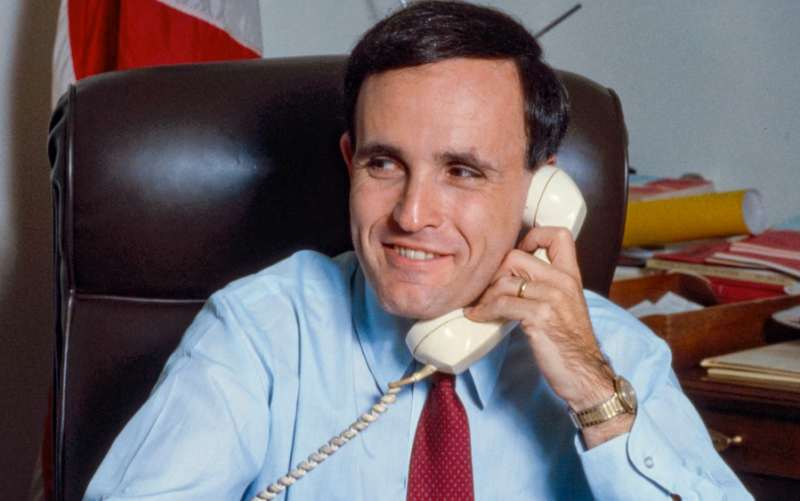
Giuliani's money-making journey started humbly enough after he graduated from NYU Law School in 1968. His first real job was clerking for Judge Lloyd Francis MacMahon, where he earned a modest salary that barely covered rent in New York City. But it was a foot in the door, and that's all he needed. By 1970, he'd landed at Patterson, Belknap, Webb & Tyler, a respectable law firm where he started pulling in a decent attorney's paycheck.
The real turning point came in 1975 when he joined the U.S. Attorney's Office for the Southern District of New York. Sure, government work meant taking a pay cut from private practice, but Giuliani was playing the long game. Throughout the 1980s, he made his bones prosecuting mafia bosses and crooked Wall Street traders. The salary wasn't spectacular, maybe $80,000 to $100,000 at its peak, but he was building something more valuable than money: a reputation that would eventually be worth millions.
Climbing to the Top and Peak Wealth

Everything changed when Giuliani became New York's mayor in 1994. His mayoral salary maxed out around $195,000 by 2001, which sounds nice but wasn't making him rich. The real money showed up after he left office, especially after his leadership during 9/11 turned him into a national hero. Suddenly, everyone wanted a piece of Rudy Giuliani. He was pulling in $200,000 per speech, sometimes giving dozens of talks a year.
Then there was Giuliani Partners, his security consulting firm launched in 2002. That company was a cash machine, raking in over $100 million in revenue during its first few years. Add in his book deals, legal consulting work, and various business ventures, and Giuliani was making several million dollars annually. His memoir "Leadership" flew off shelves. By 2007, when he ran for president, he disclosed assets worth somewhere between $18 million and $70 million. Financial experts peg his peak Rudy Giuliani net worth at roughly $52 million. Not bad for a kid from Brooklyn.
Where Things Stand Now with Rudy Giuliani Net Worth

Fast forward to today, and it's a completely different picture. Giuliani filed for bankruptcy in December 2023, admitting he owes somewhere between $100 million and $500 million. That's not a typo. Two Georgia election workers won a $148 million defamation judgment against him. Dominion Voting Systems is chasing him for $1.3 billion. His current Rudy Giuliani net worth? It's underwater, deeply negative.
He's been forced to hand over watches, a Mercedes, sports memorabilia, anything of value really. His New York apartment and Florida condo are on the chopping block. Former lawyers are suing him for unpaid bills running into the millions. The speaking gigs dried up completely. Nobody's paying him $200,000 to show up anymore. Word is he's scraping together whatever he can from podcast appearances and occasional conservative media spots, but we're talking thousands, not millions. The man who once had $52 million can't even cover his legal bills.
Giuliani's Blueprint for Success: What He Preached
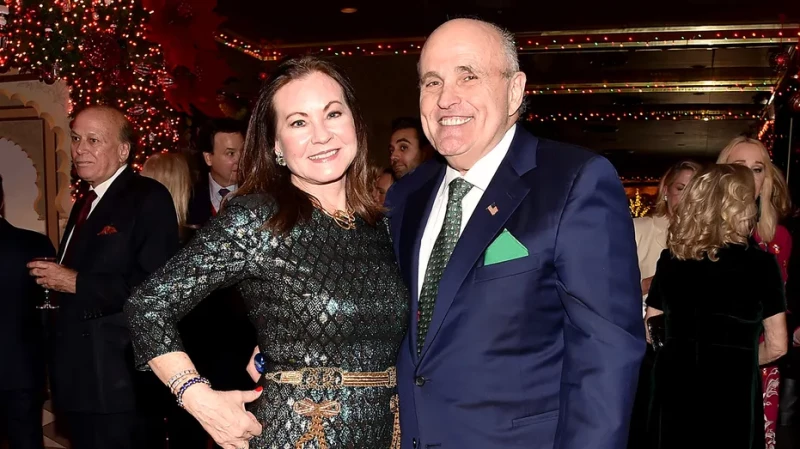
During his glory days, Giuliani loved talking about what made him successful, and people listened because he had the track record to back it up. His philosophy was pretty straightforward: be aggressive, take big swings, and don't worry about making enemies. He used to say that real leadership meant making the hard calls that everyone else was too scared to make. When he went after the mob in the 80s, that's exactly what he did. Other prosecutors played it safe. Giuliani went for the jugular.
He understood something crucial about building wealth and influence: reputation is everything. Every high-profile conviction, every headline, every tough stance added to his brand. And he knew how to turn crisis into opportunity. After 9/11, while the city was still in shock, Giuliani was everywhere, projecting strength and leadership. That moment transformed him from a controversial mayor into a national icon, and he cashed in on it for years.
His strategy involved never putting all his eggs in one basket. After leaving City Hall, he didn't just do one thing. He consulted, he spoke, he wrote, he advised. Multiple revenue streams meant if one dried up, others kept flowing. He also believed in staying visible, keeping his name in the news, maintaining relevance. For two decades after being mayor, that approach worked brilliantly. But here's the flip side nobody talks about enough: Giuliani's downfall shows what happens when you tie your entire fortune to your reputation, and then trash that reputation. His involvement in election controversies didn't just damage his legacy, it obliterated the wealth machine he'd spent thirty years building. The same aggressive, never-back-down attitude that made him millions ultimately cost him everything.
 Sergey Diakov



