Eseandre Mordi
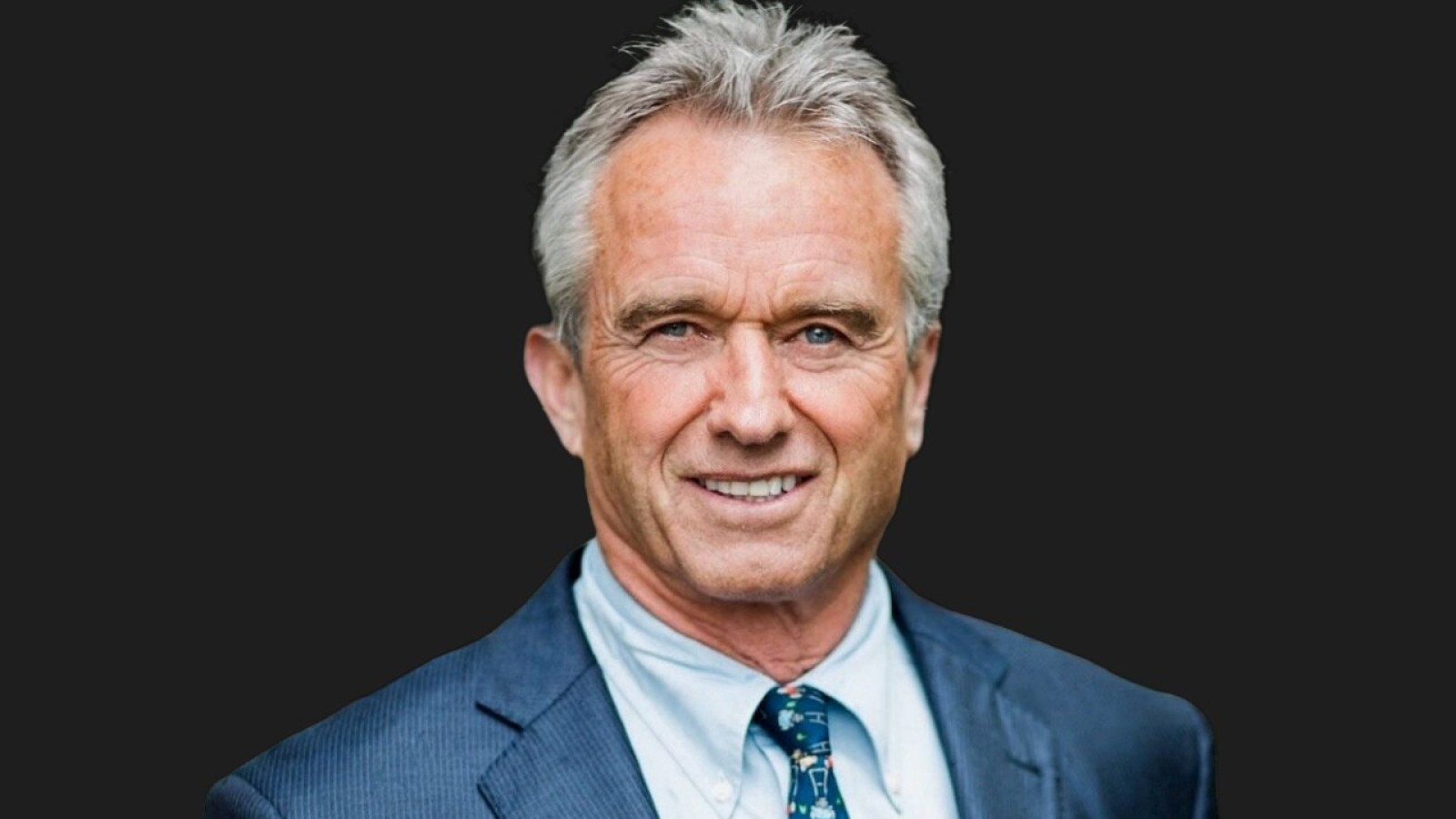
You know the Kennedy name carries weight in America, but Robert F. Kennedy Jr. carved out his own financial empire that's got nothing to do with political handouts. The guy's sitting on around $15 million these days, and he didn't just inherit his way there. Sure, being JFK's nephew opened some doors, but RFK Jr. actually hustled through environmental law, wrote bestselling books, and built a following that keeps his bank account pretty healthy. His journey from struggling with addiction to becoming one of America's most controversial public figures is wild, and the money trail tells an even crazier story.
Early Days: How RFK Jr. Got His Start Making Money
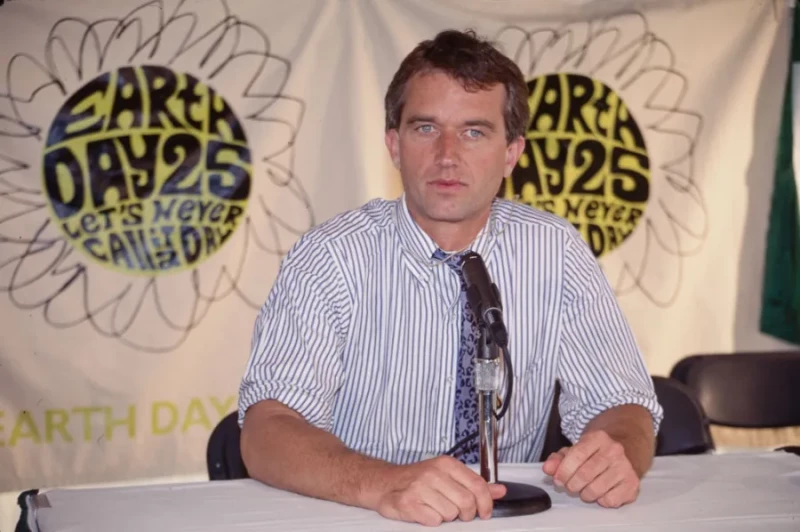
Bobby Kennedy didn't exactly start at the top of his game. After finishing up at Harvard in 1976 and getting his law degree from UVA in 1982, things got messy fast. He crashed hard into heroin addiction and got busted in 1983. Rock bottom hit different for him though. His community service with the Riverkeeper organization wasn't just punishment—it became his wake-up call and showed him what he actually wanted to do with his life.
His first real job was grinding it out as an Assistant District Attorney in New York, pulling in maybe thirty to forty grand a year in the mid-80s. Nothing fancy, but it paid the bills. The thing is, Kennedy realized pretty quick that prosecuting small-time criminals wasn't his calling. In 1984, he jumped ship to the Natural Resources Defense Council as a staff attorney, focusing on keeping America's water clean. The pay wasn't amazing, but this is where his passion kicked in and his real career started taking shape.
The Money Years: When Kennedy's Career Exploded
The 90s and 2000s were absolutely insane for Kennedy's bank account. He became the go-to environmental lawyer in America, running the Hudson Riverkeeper program and creating the Waterkeeper Alliance that went global. During these peak years, he was pulling in anywhere from 250 to 500 thousand dollars annually just from his legal work. Not bad for a former addict who started at thirty grand.
But here's where it gets interesting. Kennedy wasn't just collecting a salary—he was winning massive lawsuits against polluters like DuPont and Monsanto. These settlements brought in millions, and his law firm got a serious cut of that action. On top of that, he started hitting the speaking circuit hard, charging twenty to fifty thousand bucks per talk. People wanted to hear him speak about the environment, corporate greed, and later his controversial vaccine views.
Then came the books. "Crimes Against Nature" did well, but "The Real Anthony Fauci" absolutely exploded and reportedly made him over a million in royalties alone. Add in his teaching gig at Pace University Law School where he was pulling in a steady professor's salary, and you've got multiple money streams flowing all at once. Kennedy figured out early that putting all your eggs in one basket is for suckers.
Where He Stands Today: Robert F. Kennedy Jr. Net Worth Right Now
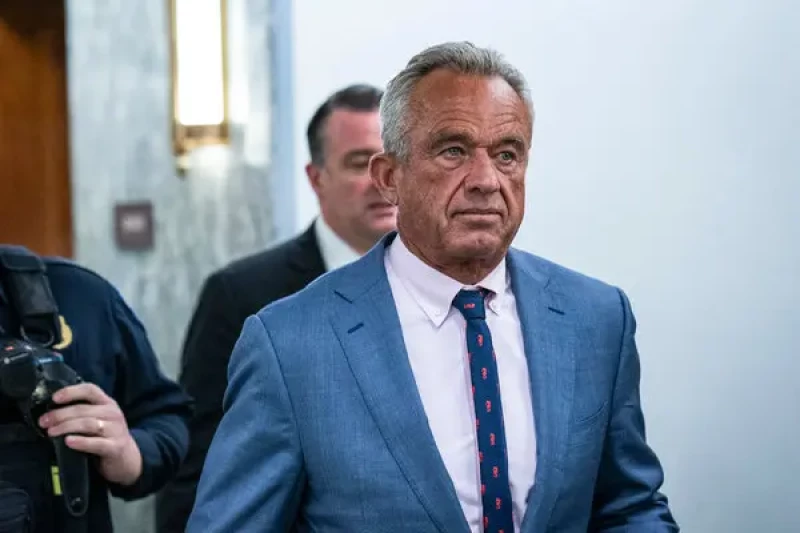
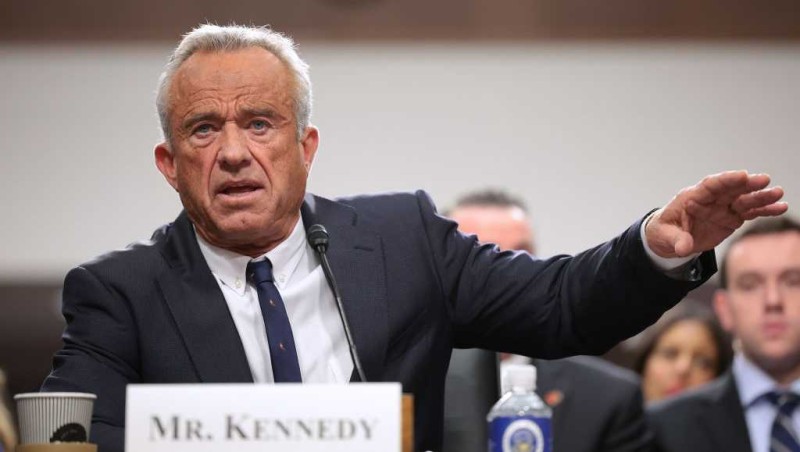
These days, most estimates put Robert F. Kennedy Jr. net worth at around $15 million, though some people think it's higher when you count family trusts and his real estate portfolio. His 2024 presidential run got everyone talking about him again, even though he eventually dropped out and backed Trump, which led to him getting tapped for Secretary of Health and Human Services.
He's still making solid money from Children's Health Defense, the organization he started back in 2016. That gig pays him somewhere between 200 and 300 grand a year. His books keep selling, he's doing podcasts, making media appearances, and the royalty checks keep showing up. Real estate-wise, the guy owns property in both California and New York, with his California place alone worth several million.
Here's the weird part—his anti-vaccine stance actually became profitable. While mainstream media shut him out, alternative platforms embraced him hard. He built this super loyal following that supports everything he does, from buying tickets to his speaking events to purchasing whatever he's selling. Controversy turned into cash, which is pretty ironic when you think about it.
Kennedy's Blueprint: What Made Him Successful and Rich
Look, Kennedy had the family name advantage, nobody's denying that. But his actual success principles are worth paying attention to. First off, he turned his biggest failure into his life's purpose. That addiction recovery didn't just save his life—it pointed him straight toward environmental work and gave him this underdog mentality that resonated with people.
Second thing, he became a legitimate expert instead of just coasting on his name. He could've easily grabbed some cushy corporate board position and called it a day. Instead, he spent decades actually learning environmental law inside and out, becoming genuinely dangerous in courtrooms. That authentic expertise is what made him credible, even when people hated his opinions.
Third, the guy's not scared of being unpopular. Whether he's going after chemical companies or questioning vaccine safety, Kennedy stakes out positions that make powerful people uncomfortable. That's controversial as hell, but it also created this devoted base that financially supports everything he touches. Being liked by everyone doesn't pay the bills—being passionately supported by some people does.
Fourth, he diversified like crazy. Legal fees, teaching money, book royalties, speaking gigs, nonprofit salaries—Kennedy never relied on just one income source. When one stream slowed down, three others kept flowing. That's just smart business.
Finally, Kennedy mastered media attention. The guy knows how to stay in headlines, keep his books selling, and maintain relevance. In today's world where attention equals money, that visibility translates directly into financial opportunities. Book publishers want him, event organizers pay him, and his followers fund his projects. Love him or hate him, he figured out how to turn controversy into currency.
 Eseandre Mordi