Alex Dudov
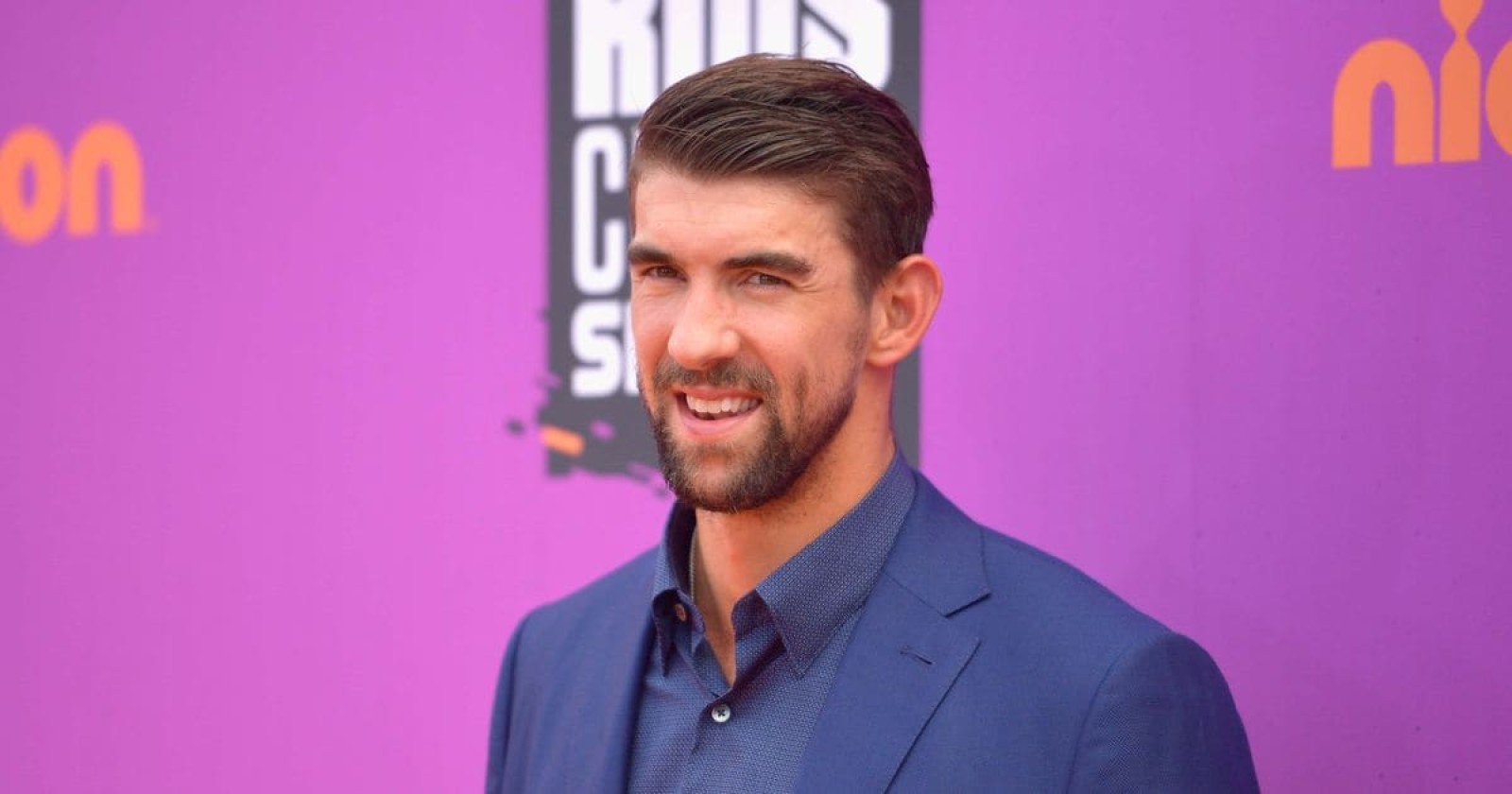
Michael Phelps didn't just break records—he rewrote what it means to be a swimmer. Most athletes in the sport struggle to make a living, but Phelps turned his talent into a nine-figure fortune that keeps growing even years after his last race. His story isn't just about winning gold medals, though he has more of those than anyone in history. It's about a kid from Baltimore who figured out how to turn early success into lifelong wealth.
When Michael Phelps Started Making Real Money
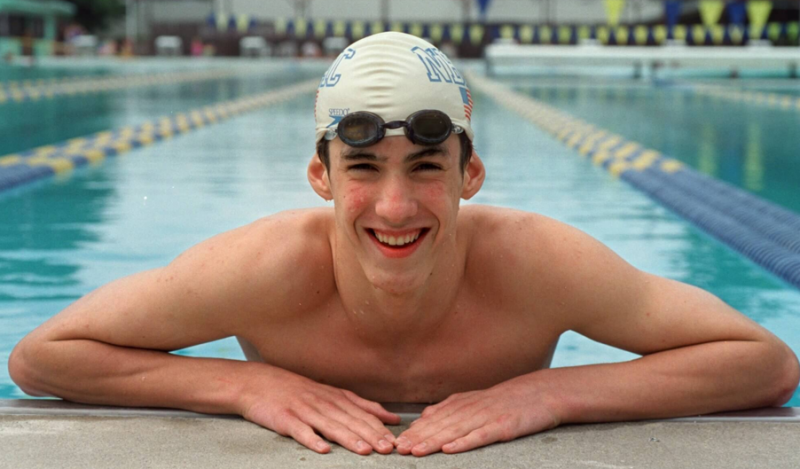
Phelps got his first taste of serious money incredibly young. At 15, he made the 2000 Sydney Olympics as the youngest male American swimmer in nearly seven decades. He didn't win anything in Sydney, but sponsors saw something special. By 16, Speedo handed him a deal worth about a million bucks—crazy money for a teenager who hadn't won Olympic gold yet.
His "job" was basically being Michael Phelps. While other kids his age were working retail or flipping burgers, he was training six hours a day under coach Bob Bowman in Baltimore. The real payday came after Athens 2004, where he grabbed six golds and two bronzes. Suddenly everyone wanted a piece of him, and Speedo came back with way more money.
The Peak Years: When Michael Phelps Net Worth Exploded
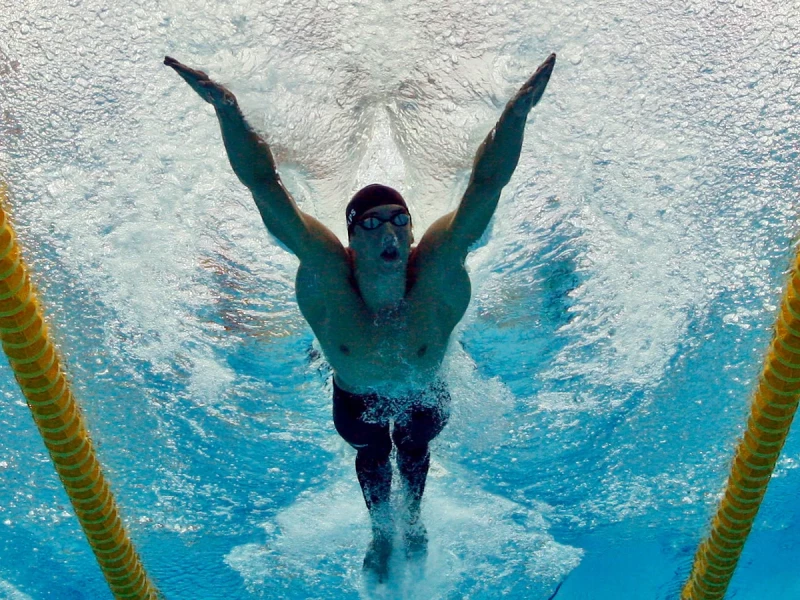
Beijing 2008 changed everything. Phelps won eight gold medals in one Olympics, destroying Mark Spitz's record that had stood for 36 years. Speedo cut him a million-dollar bonus just for breaking that record, and the endorsement deals went insane. Visa, Omega, Subway, AT&T—everyone wanted him on their commercials.
Between 2008 and 2012, he was pulling in about $12 million a year, and almost all of it came from endorsements rather than actual swimming prizes. London 2012 added four more golds and two silvers, keeping him at the top of the money game. Even when he retired for a couple years after London, the checks kept coming from existing contracts.
How His Career Built an Empire
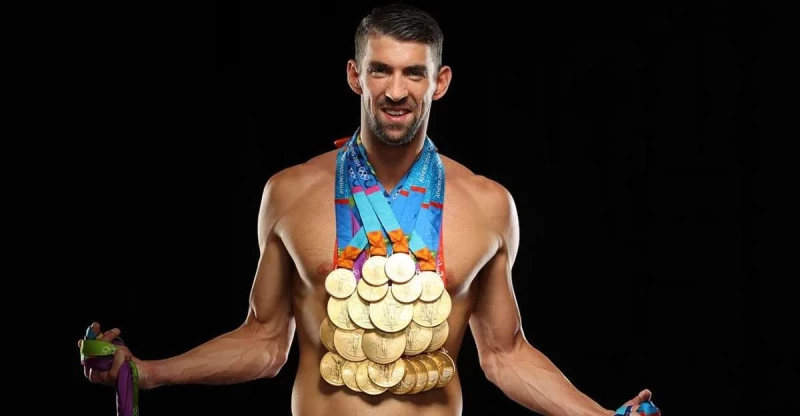
Here's the thing about Phelps—he didn't just swim fast, he played the business game smart. From 2000 to 2016, he built relationships with brands that actually fit his image. When he came back for Rio 2016 at 31 years old and won five more golds plus a silver, it proved he still had that star power.
The actual prize money from competitions was surprisingly small—maybe one or two million total across his entire career from world championships and Olympic bonuses. The real fortune came from endorsements. He spread his deals across different industries: swim gear, luxury watches, fast food, tech companies. That way he wasn't depending on just one revenue stream.
What Michael Phelps Net Worth Looks Like Today
These days, Phelps is sitting on about $100 million, even though he hung up his goggles for good after Rio. He's not just living off old money either. He's still got deals with brands like Aqua Sphere, where he has his own line of swimming gear, plus Master Spas and Colgate.
The guy reinvented himself as a mental health advocate after opening up about his depression and ADHD struggles. That honesty created a whole new career in speaking engagements, where he reportedly gets six figures per appearance. He's also got the Michael Phelps Swim School franchise going and works with Medibio, a mental health tech company, as their Chief Brand Ambassador. Experts figure he's still making somewhere between three and five million a year from all these ventures combined.
How Phelps Thinks About Success

Phelps has always been straight up about what drove him. His whole philosophy comes down to preparation and seeing it before you do it. He's got this quote about goals needing to be uncomfortable and hard, forcing you to actually work for them. That meant six-hour training days, seven days a week, for years.
The guy also learned a lot from screwing up. After getting arrested for DUI twice and dealing with serious depression, he figured out that falling down doesn't matter as much as getting back up. He started saying "it's okay to not be okay," which actually made him more relatable and probably more valuable to brands looking for authenticity.
What really set Phelps apart was focusing on the process instead of just the results. Sure, he collected medals like they were going out of style, but he was always more obsessed with perfecting his technique and sticking to his training plan. He'd say you can't limit yourself, that dreaming bigger gets you farther. That mindset worked just as well in business as it did in the pool. He treated his body and career like a long-term investment, making sacrifices in his teens and twenties that are still paying off decades later. That's how you turn talent into $100 million.
 Alex Dudov