Peter Smith
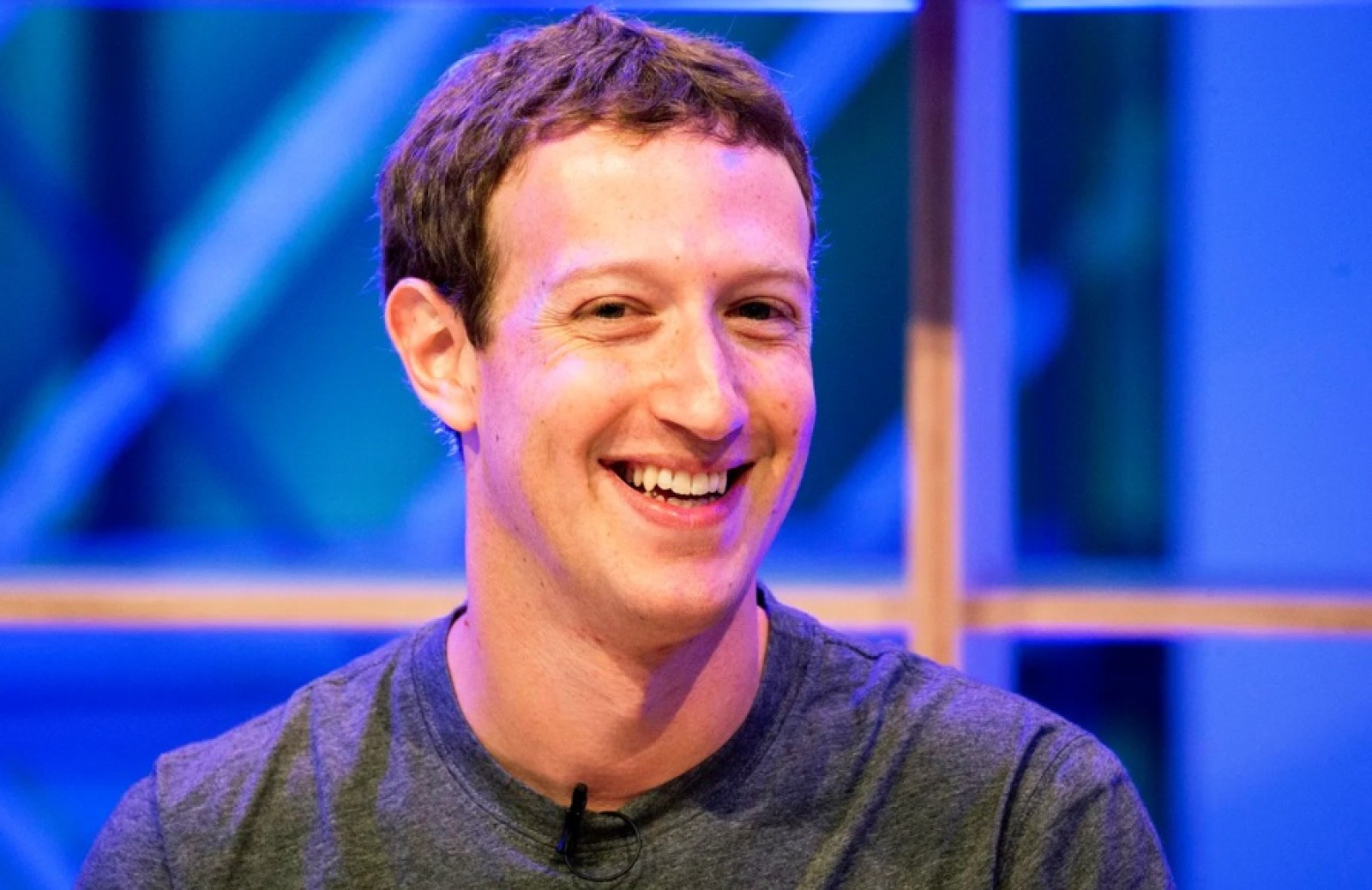
Mark Zuckerberg's story is pretty wild when you think about it. This guy went from coding in his Harvard dorm room to running one of the most powerful companies on the planet. The CEO of Facebook didn't just stumble into success – he built it from scratch, made some gutsy calls that could've backfired badly, and ended up creating something that literally changed how billions of people connect with each other. His journey shows what's possible when you've got a solid idea, the skills to build it, and the guts to bet everything on your vision.
How the CEO of Facebook Earned His First Money
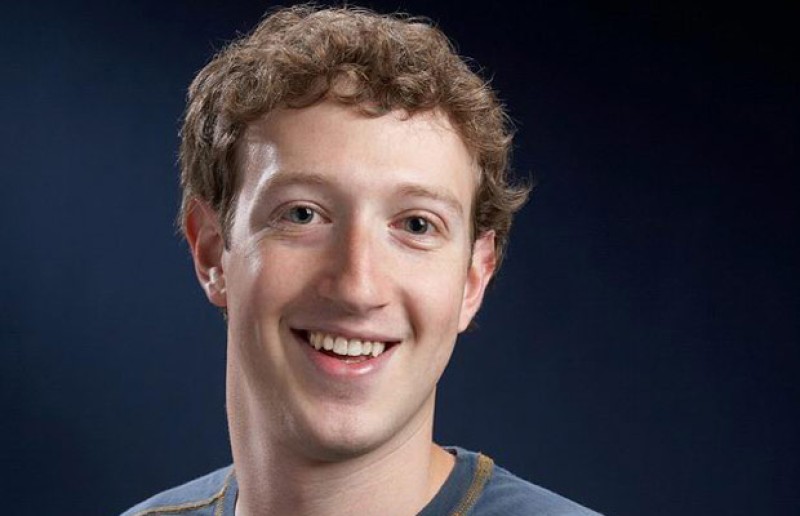
Before Facebook was even a thing, Zuckerberg was already making waves as a teenage programmer. Back in high school, he created this music app called Synapse Media Player that was actually pretty impressive for a kid. Microsoft and AOL both wanted to buy it and hire him for around a million bucks, which is crazy money for a teenager. But he said no thanks and headed off to Harvard instead. While at college, he kept building stuff – programs like CourseMatch that helped students pick classes, and Facemash, which got him in trouble but showed he understood what people wanted from social websites. These projects didn't make him rich, but they proved he had something special going on with his coding abilities and instincts about connecting people online.
Mark Zuckerberg's First Job and Career Development
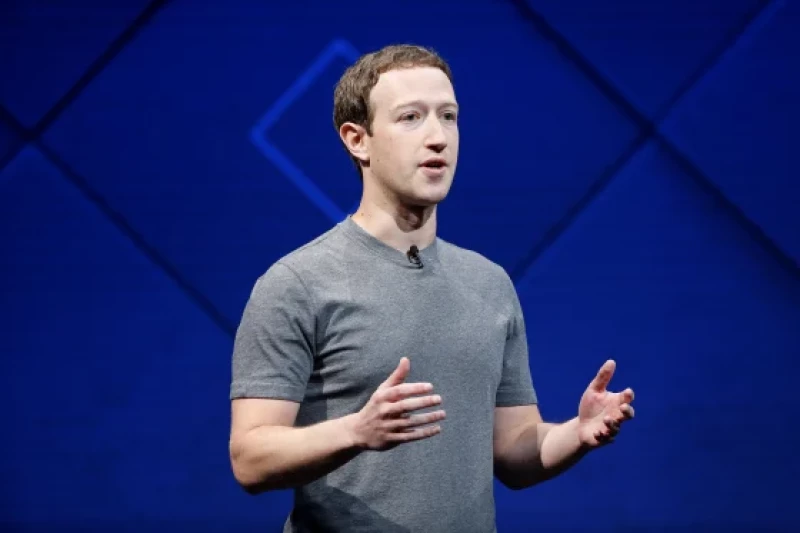
Here's the thing about Zuckerberg – his first real job was basically working for himself. He launched Facebook in February 2004 right from his dorm room at Harvard. At first it was just "TheFacebook" and only Harvard students could join. Pretty soon though, it spread to other schools and things got serious fast. By summer 2004, he'd dropped out of college and moved out to Palo Alto to focus on Facebook full-time. Peter Thiel, the PayPal guy, gave him half a million dollars for about 10% of the company. That was huge. Then in 2005, Facebook hit 5 million users and venture capitalists threw in $12.7 million. During these early years, Zuckerberg wasn't exactly rolling in cash personally – he kept his salary low because he was way more interested in growing the platform than padding his own bank account.
The Rise of the CEO of Facebook to Peak Success
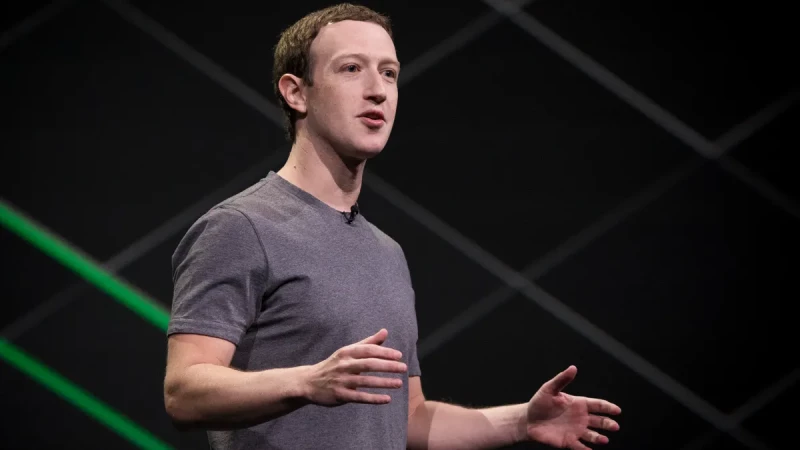
Things really took off between 2006 and 2012. Yahoo offered a billion dollars to buy Facebook in 2006, and Zuckerberg turned them down flat. Most people thought he was nuts, but he knew Facebook was worth way more. Turns out he was right. Microsoft invested $240 million in 2007, which valued the whole company at $15 billion. By 2008, Facebook had over 100 million users and was actually making money instead of just burning through cash. The game-changer came in May 2012 when Facebook went public. The IPO valued the company at $104 billion and made 28-year-old Zuckerberg worth about $19 billion overnight. Even with all that money on paper, he kept his salary at one dollar a year – all his wealth was tied up in Facebook stock. He doubled down by buying Instagram for a billion in 2012 and WhatsApp for $19 billion in 2014, moves that seemed expensive at the time but look brilliant now.
Mark Zuckerberg's Current Net Worth and Earnings
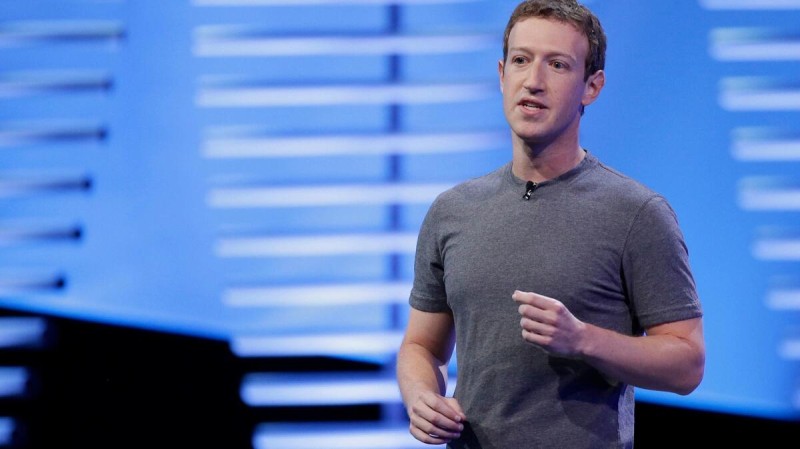
These days, Zuckerberg's worth somewhere between $150 and $200 billion, putting him right up there with Elon Musk and Jeff Bezos as one of the richest people alive. He still takes that symbolic one-dollar salary as CEO of Meta, which is what Facebook's parent company is called now. His actual wealth comes from owning about 13% of Meta, and when the stock goes up or down, his net worth swings by billions. Meta pulled in over $134 billion in revenue in 2023 and made $39 billion in profit, so yeah, the company's doing pretty well. The only real "salary" stuff he gets is security costs, which makes sense given how famous he is – that runs into tens of millions yearly. His net worth took a massive hit in 2022 when Meta's stock tanked, losing him something like $70 billion, but he bounced back strong in 2023 and 2024 when the company got its groove back with AI initiatives and cost-cutting.
Key Success Principles from the CEO of Facebook
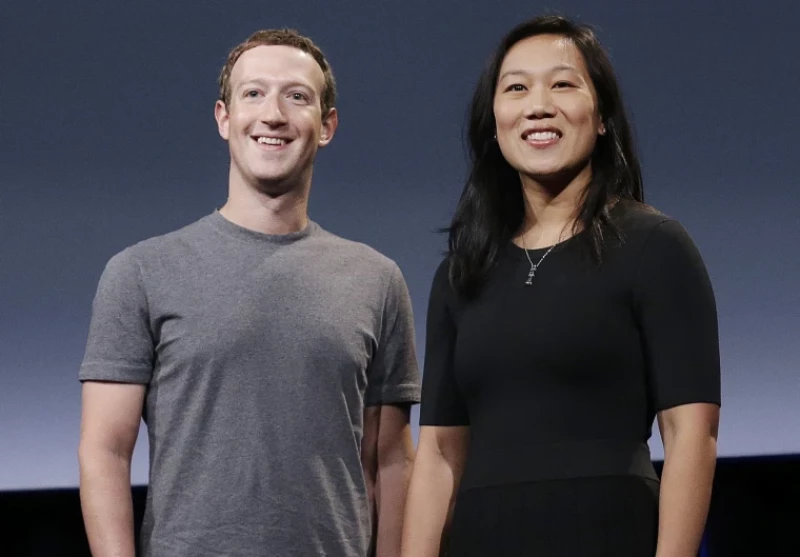
Zuckerberg's shared plenty of wisdom over the years about what it takes to build something massive. His famous motto used to be "move fast and break things" – basically, don't wait for perfection, just ship stuff and fix it later. He's adjusted that a bit as Meta got bigger, but the core idea remains: speed matters more than being perfect. He's always been big on thinking long-term instead of chasing quick money, which is why he kept saying no to those early buyout offers worth billions. His advice is pretty straightforward – build something people actually want and need, not just something that'll make you rich. If you solve real problems, the money follows naturally. He talks a lot about hiring people smarter than you and not being afraid to surround yourself with folks who'll challenge your ideas. Taking risks doesn't scare him – he sees failure as part of the process, not something to avoid at all costs. One interesting thing he did was structure Meta's shares so he'd keep control even after going public, which let him make big bets without worrying about investors freaking out. And he's constantly learning new things, setting himself weird challenges every year like learning Chinese or building an AI assistant for his house. Bottom line from the CEO of Facebook: keep growing, stay focused on your vision, and don't be afraid to make bold moves when you believe in something.
 Peter Smith