Alex Dudov
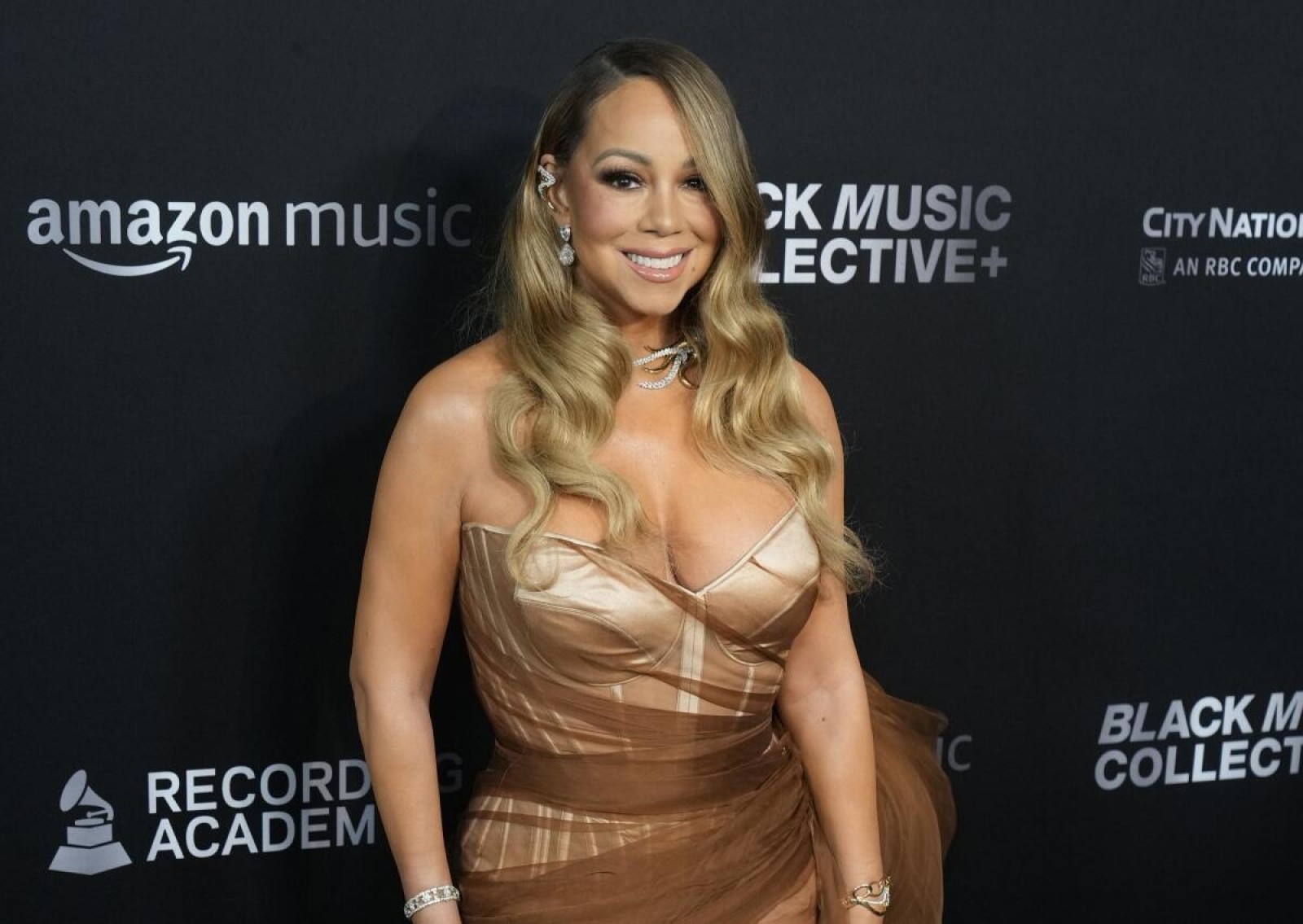
From serving tables in New York to becoming one of the richest voices in music history, Mariah Carey's story is nothing short of remarkable. With a fortune estimated at $350 million, the five-octave singing sensation didn't just rely on her incredible talent—she made calculated business decisions that turned her into a financial powerhouse. Let's dive into how Mariah built her empire and what keeps those millions rolling in year after year.
Early Days: Mariah Carey's First Steps Toward Wealth

Mariah's road to riches started pretty humbly back in the late 1980s. She was juggling waitressing gigs and backup singing jobs around New York City, barely making ends meet while chasing her dream. Everything changed one night in 1988 when she managed to slip her demo tape to Tommy Mottola, who was running Columbia Records at the time. He was blown away by what he heard and signed her on the spot.
By 1990, Mariah dropped her first album at just 20 years old. The self-titled record went absolutely crazy, selling over 15 million copies around the world. That first major payday brought her roughly a million dollars—not bad for a former waitress. She was finally getting paid for what she loved doing.
The Climb: How Mariah Carey Net Worth Exploded in the '90s

The 1990s were absolutely Mariah's decade. She wasn't just having hits—she was dominating the charts like nobody else. Her albums "Music Box" and "Daydream" each moved over 20 million copies worldwide, and suddenly she was one of the biggest sellers in music.
During those peak years, Mariah was pulling in somewhere between $20-30 million every single year from album sales, touring, and endorsement deals. When "Butterfly" came out in 1997, the world tour alone brought in millions. She'd gone from struggling artist to certified superstar, and her bank account reflected it.
The Big Break: Mariah's Record-Breaking Deals
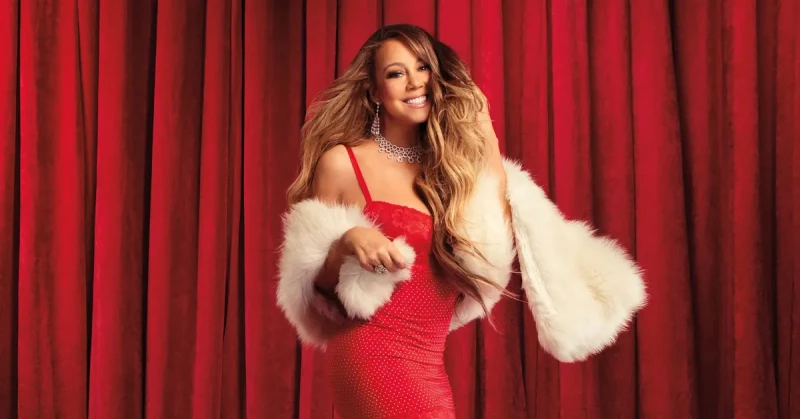
Mariah hit her financial peak in 2001 with a massive $100 million deal with Virgin Records. It was one of the biggest contracts in music history at that point. Things didn't work out as planned though, and after just one album, Virgin bought her out for around $50 million. Not a bad consolation prize, right?
She bounced back quickly, signing another huge deal with Island Records worth about $80 million. Between 2000 and 2010, even with some bumps in the road, Mariah was consistently banking $30-60 million a year through her music, tours, Vegas shows, and growing business empire.
Mariah Carey Net Worth Today: The Money Never Stops
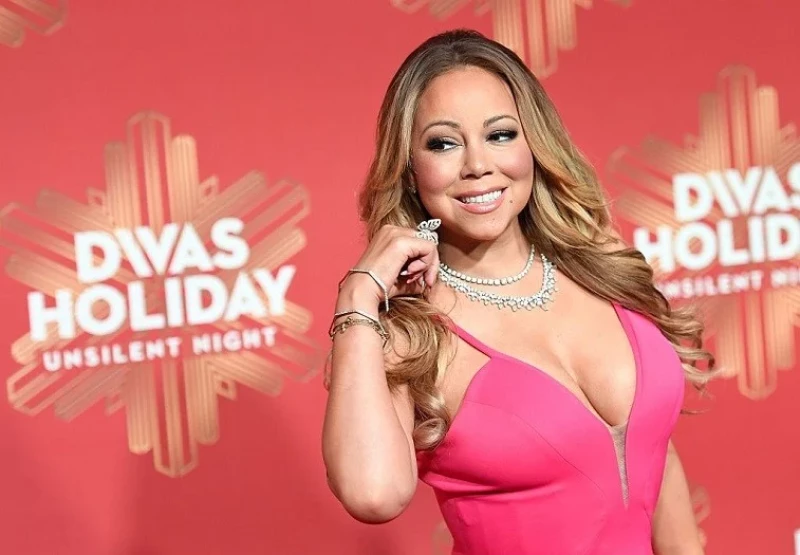
These days, Mariah's still raking it in. Depending on whether she's touring or not, she brings home anywhere from $30-60 million annually. But here's the real money maker: "All I Want for Christmas Is You." That one song generates about $3-4 million in royalties every December like clockwork. Since it dropped in 1994, it's made over $60 million. Talk about a gift that keeps on giving.
She's also cashed in big from her Las Vegas residencies, which paid her $15-20 million per run. Add in her fragrance lines that have brought in over $150 million total, plus some seriously expensive real estate in Beverly Hills and the Bahamas, and you've got a diverse money-making machine that just doesn't quit.
Success Secrets: What Mariah Teaches About Building Wealth

Mariah's shared plenty of wisdom about making it big over the years. First off, she's all about self-belief—she kept pushing even when people were slamming doors in her face before Columbia took a chance on her.
She also talks a lot about controlling your own destiny. Mariah was one of the first major artists to write and produce her own stuff, which meant she got way bigger royalty checks than artists who just showed up to sing someone else's songs.
Diversification is another big one for her. She didn't put all her eggs in the music basket—she branched out into perfumes, movies, TV shows, and smart investments. When one thing slows down, something else picks up the slack.
Maybe the biggest lesson though? Comeback power. When things went sideways in the early 2000s, she didn't disappear. She reinvented herself multiple times and proved that staying relevant means being willing to evolve. That kind of resilience doesn't just build careers—it builds fortunes.
 Alex Dudov