Sergey Diakov
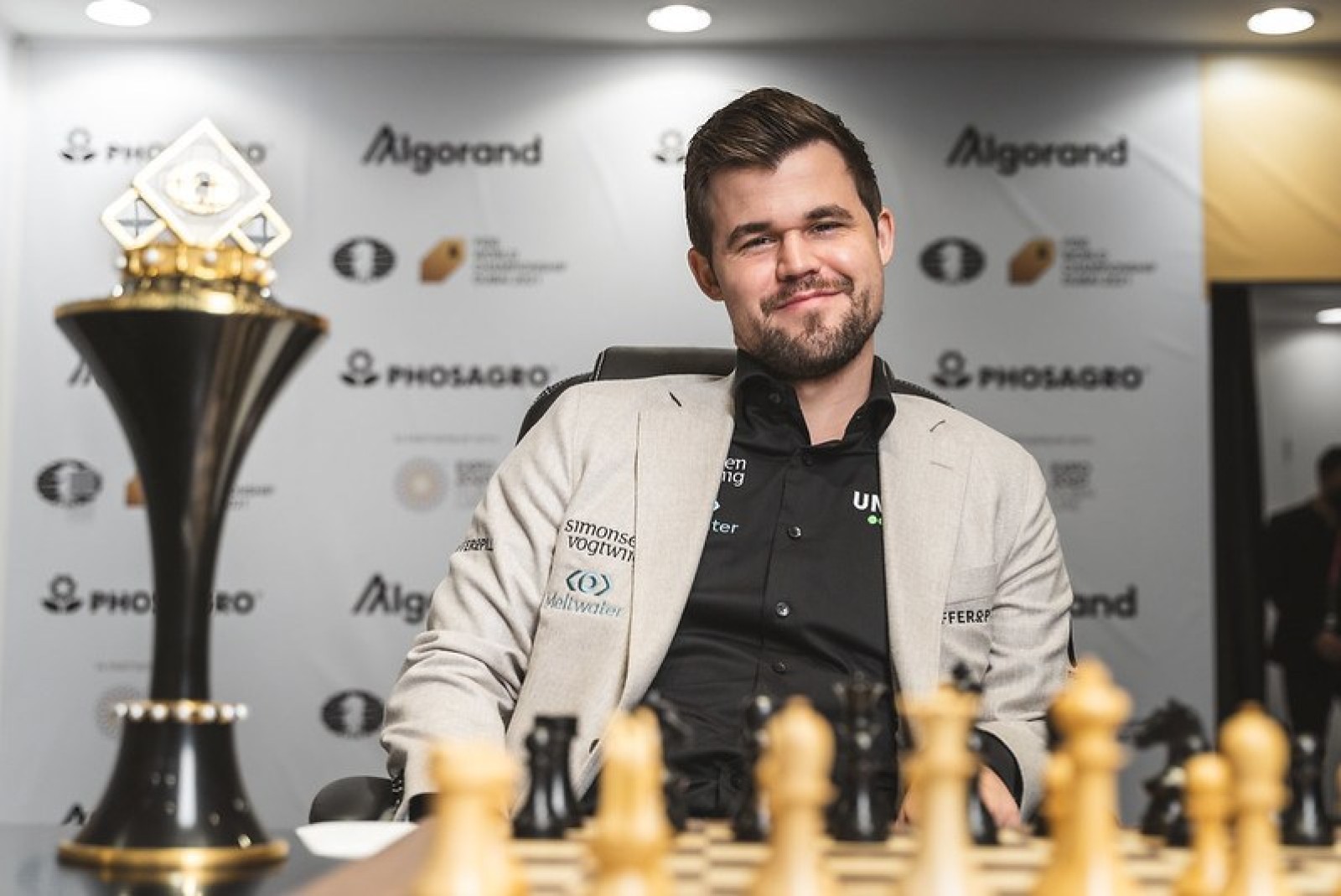
When most teenagers are worried about passing exams, Magnus Carlsen was already making serious money playing chess at the highest level. The soft-spoken Norwegian didn't just become the best player in the world—he figured out how to turn those skills into real wealth. From his first tournament winnings as a kid to building a tech company that sold for tens of millions, Carlsen's financial journey is just as impressive as his games.
Early Days and First Paychecks

Magnus started earning real money from chess when he was barely a teenager. At 13, he became a grandmaster in 2004, which put him among the youngest ever to reach that level. Back then, his tournament winnings weren't massive—maybe a few thousand dollars here and there from smaller competitions. But for a kid, that was pretty solid income. By his mid-teens, he was actually making a living playing chess, traveling around Europe competing in elite tournaments. These weren't life-changing amounts yet, but they proved he could earn money doing what he loved. The prize pools grew bigger as he climbed the rankings, and by his late teens, Carlsen was pulling in enough to live comfortably while building his reputation.
Climbing the Ladder and Growing the Bank Account

Things really took off when Magnus hit his late teens and early twenties. In 2010, at just 19 years old, he became the youngest world number one ever. That's when the money started getting serious. Between 2010 and 2013, before he even won his first world championship, he was making somewhere between $200,000 and $500,000 a year just from tournament prizes. Then came 2013, the big breakthrough. He beat Viswanathan Anand for the World Championship title and walked away with $1.2 million from that single match. Suddenly, major brands wanted in. He signed deals with G-Star Raw, Nordic Semiconductor, and later Unibet and Mastercard. These sponsorships added serious cash on top of his tournament winnings, and Magnus was becoming not just a chess player but a genuine brand.
The Peak Years and What Magnus Carlsen Net Worth Looks Like Now
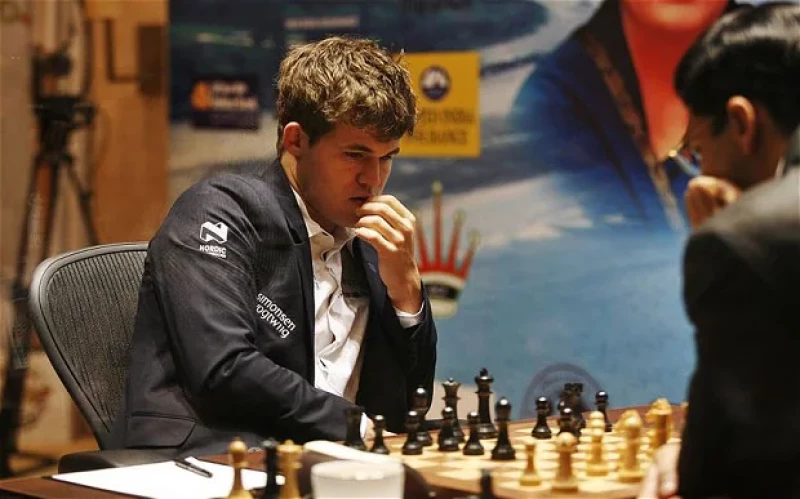
From 2013 to 2023, Magnus was absolutely dominating chess and his bank account reflected it. During those championship years, he was pulling in between $1 million and $2 million annually from tournaments, appearance fees, and endorsement deals combined. Every time he defended his title, there was another seven-figure prize pool waiting. But here's where it gets interesting—Magnus didn't just collect prize money. In 2013, he started Play Magnus Group, a company making chess apps and educational content. That company went public in 2020 and got bought by Chess.com in 2022 for around $82.9 million. Right now, most estimates put Magnus Carlsen net worth somewhere between $25 million and $50 million, though nobody knows the exact number. Even after he gave up his classical championship title in 2023, he's still raking it in through rapid and blitz tournaments, exhibition matches, his stake in chess tech companies, and those fat sponsorship contracts that can hit six figures a year.
How Magnus Says You Can Make It Big

Over the years, Magnus has dropped some pretty solid wisdom about what it takes to succeed, and it's not just about chess. First off, he's always said you've got to genuinely love what you're doing. He practiced obsessively because he wanted to, not because someone forced him. He also talks a lot about taking smart risks—one of his famous quotes is basically about making moves that mess with your opponent's head, choosing what makes them most uncomfortable. The guy never stops learning either. He studies games constantly and keeps up with all the latest chess theory, but he's not afraid to throw in his own creative twists. Mental toughness is huge for him too. Staying cool when there's serious money and prestige on the line—that's something he's built up over years of high-pressure matches. And here's something people forget: Magnus has always surrounded himself with top-tier coaches, training partners, and business advisors. He didn't do it alone. His whole philosophy mixes natural talent with serious hard work, thinking strategically, and having the guts to make unconventional choices. Those principles worked for him at the chessboard and in building his business empire.
 Sergey Diakov