Eseandre Mordi
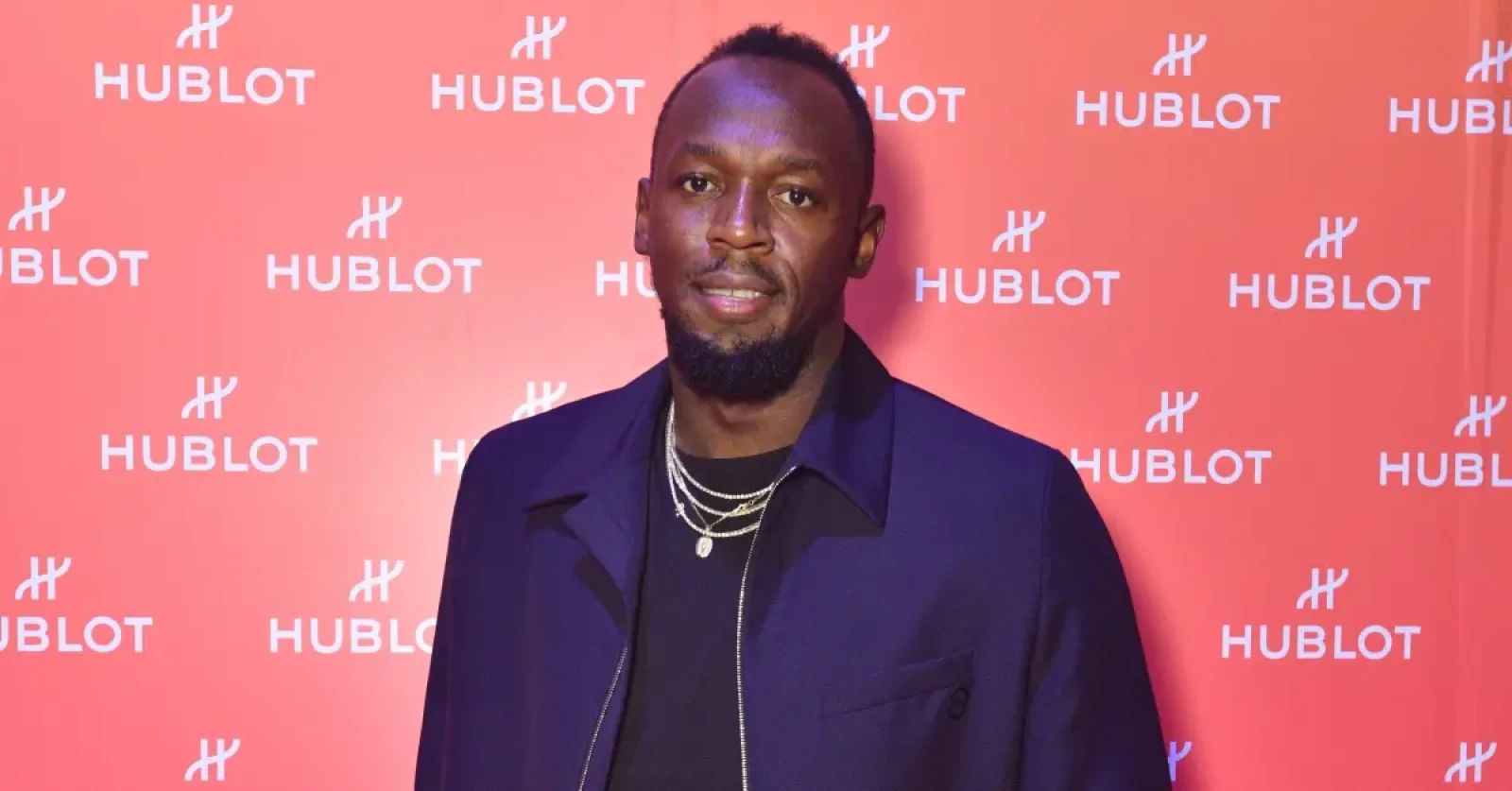
Usain Bolt didn't just dominate the track—he completely changed what it means to be a track and field athlete financially. The Jamaican sprinter who made the world hold its breath every time he stepped onto the starting line has built a fortune that would've seemed impossible for someone in his sport just a generation ago. We're talking about a guy who holds world records in the 100 meters, 200 meters, and 4×100 meters relay, and has turned those blazing-fast performances into an estimated $90 million net worth as of 2025. That makes him the richest track and field athlete who's ever lived, and it's not even close.
What's really interesting is how Bolt got there. Sure, he's naturally gifted—you don't become the fastest human on the planet without some serious genetic advantages. But his wealth? That came from understanding how to turn athletic excellence into lasting financial success, something plenty of talented athletes never figure out.
Bolt came into this world on August 21, 1986, in Sherwood Content—a tiny rural town in Jamaica that most people have never heard of. His parents, Wellesley and Jennifer, weren't wealthy by any stretch. They ran a small grocery store, and young Usain spent most of his childhood doing what kids do—playing cricket and soccer in the streets with his brother Sadiki and sister Sherine. Nobody was thinking about millions of dollars back then. He was just a fast kid who liked sports.
But that speed? It was something different. His teachers and coaches noticed it early, though even they couldn't have imagined what was coming. This wasn't just "fast for a kid" speed. This was "maybe the fastest human who will ever live" speed. Still, there's a huge gap between being naturally quick and becoming the richest athlete your sport has ever produced.
From School Track to First Paychecks: Bolt's Early Career Earnings
Here's the thing about track and field—it's never been a sport where you get rich quick, especially not when you're just starting out. Bolt's first real earnings were basically pocket change compared to what he'd eventually make. He went to Waldensia Primary first, then moved on to William Knibb Memorial High School, where his coach spotted something special and pushed him toward serious track training. At 15, he won gold at the 2002 World Junior Championships in Kingston, which sounds impressive until you realize the prize money was practically nothing.
Those early years were rough financially. Track athletes, even the talented ones, made very little from actual competitions. The sport worked on appearance fees and prize money from meets, and both were pretty modest. Bolt has talked about this himself—when he first came out of high school and started competing seriously, the money just wasn't there. It wasn't like basketball or soccer where young stars could land massive contracts right away.
His first real paychecks came from a mix of small endorsement deals and appearance fees. We're talking maybe $10,000 to $50,000 per event in those early days—decent money for sure, but not life-changing. By 2009, after he'd already made waves at the Beijing Olympics, his annual earnings had climbed to around $3 million. That was a huge jump from where he started, but honestly? It was still just the beginning. The real money machine was about to kick into gear.
Career Peak: When Usain Bolt Net Worth Exploded
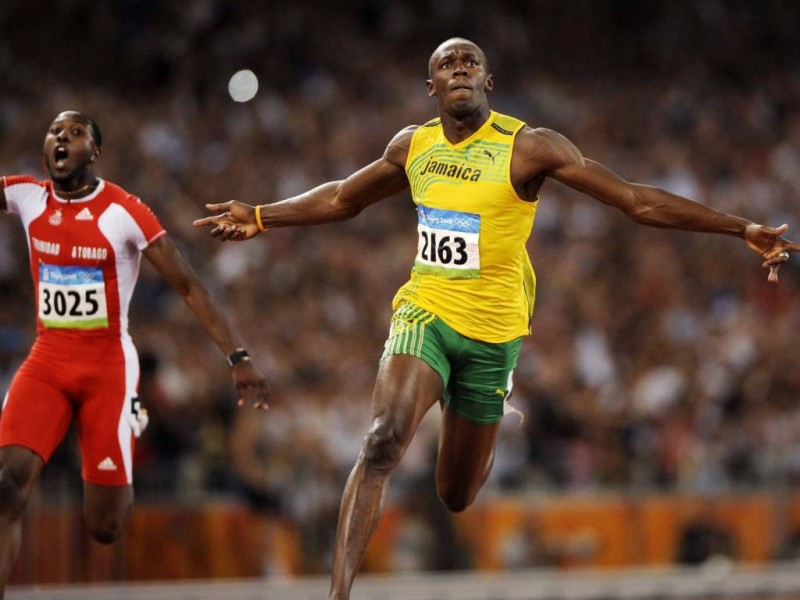
Beijing 2008—that's where everything changed. Not just for Bolt's athletic legacy, but for his bank account. He didn't just win gold medals at those Olympics. He shattered world records in both the 100 meters with a time of 9.69 seconds and the 200 meters at 19.30 seconds, and he did it with such style and confidence that the entire world fell in love with him. Overnight, he went from "really fast guy" to global superstar.
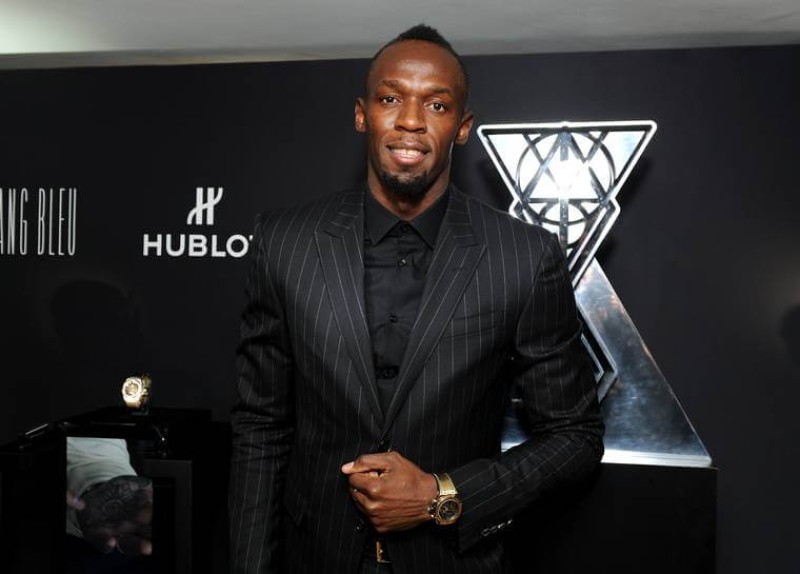
And when you become a global superstar, the money follows. Major brands started lining up with contract offers. Puma, Gatorade, Hublot, Virgin Media, Visa—everyone wanted a piece of Bolt. His deal with Puma alone was pulling in somewhere between $9 and $10 million every single year. Think about that for a second. Ten million dollars annually just to wear certain shoes and show up in some ads.
At his absolute peak, particularly during Olympic years, Bolt was raking in between $20 and $30 million annually. By 2017, Forbes had him ranked as the 23rd highest-paid athlete on the planet with earnings of $34.2 million that year. Here's the crazy part—only about $1 million of that came from actually racing. The other $33 million? All endorsements and appearance fees. That's the gap between being good at your sport and being a global icon.
The 2012 London Olympics took things even higher. Bolt defended both his 100-meter and 200-meter titles, running a 9.63 in the 100, and became the first guy since Carl Lewis in 1988 to successfully defend both Olympic sprint titles. His marketability went through the roof. By 2014, he was making around $23 million a year. Between June 2017 and June 2018 alone—right around his retirement—he pulled in $31 million, with $30 million coming from endorsements.
His appearance fees also hit ridiculous levels during these years. Bolt could demand anywhere from $250,000 to half a million dollars just to show up at a track meet. Not to win, not to break records—just to be there. At the 2010 Penn Relay, almost 55,000 people packed the stadium just to watch him run. For track and field, those are Super Bowl-level numbers. He was getting $10,000 just for participating in Diamond League races, plus whatever appearance fee he'd negotiated on top of that.
This was peak Usain Bolt net worth territory, and the numbers were unlike anything track and field had ever seen before or has seen since.
Current Financial Status: Where Does Bolt Stand Today?
Even though Bolt hung up his spikes back in 2017, the money's still rolling in. His current net worth sits at around $90 million, though some financial analysts think it could be closer to $130 million when you factor in real estate, long-term endorsement contracts, and business investments. The estimates vary because unlike publicly traded companies, individual wealth isn't exactly transparent. Currency fluctuations matter, private business deals stay private, and not everything gets reported.
The Puma deal? Still going strong years after retirement. He's still pulling in millions annually from that partnership alone, plus maintaining relationships with other brands. Bolt also got smart about diversifying his income. He opened a restaurant franchise called Tracks & Records with locations in Jamaica and the UK. He's doing speaking engagements for serious money—probably around a million dollars a year. There are merchandise royalties worth an estimated $2 million annually. His autobiography "Faster Than Lightning" came out in 2010 with a multi-million dollar advance from the publisher.
But let's be real—it hasn't all been smooth sailing. In January 2023, Bolt revealed he'd lost about $12.7 million to investment fraud through a company called Stocks and Securities Limited in Jamaica. That's a massive hit for anyone. When the news broke, he made it clear he wasn't broke, but he admitted it definitely hurt his plans for the future and his three kids. The fact that he could absorb a $12.7 million loss without going under shows just how well he'd managed his money over the years.
Bolt's also tried his hand at tech and new ventures. In 2021, he joined Autograph, the NFT platform co-founded by Tom Brady, as an advisor. He co-founded Bolt Mobility, an electric scooter company that actually raised $30 million in venture capital funding in 2020. That one didn't work out—the company shut down in 2022—but you've got to respect the willingness to try new things and take risks.
Bottom line? Even without racing anymore, Bolt's built a financial foundation that keeps generating income. That's the difference between athletes who stay rich and athletes who go broke after retirement.
Bolt's Philosophy: Key Ideas on Achieving Success

What really separates Bolt from other athletes isn't just that he ran faster than anyone else. It's how he thought about success, money, and what it takes to make it to the top and stay there. Throughout his career, he's dropped some serious wisdom that's worth paying attention to, whether you're trying to become an Olympic champion or just trying to level up in whatever you do.
First off, Bolt's a big believer in setting concrete goals. He's said it straight: "You have to set yourself goals so you can push yourself harder. Desire is the key to success." He wasn't out there thinking "I want to be pretty fast." No, he wanted to be the fastest human who'd ever lived. He wanted world records. He wanted Olympic gold. That kind of clarity makes a huge difference because you know exactly what you're aiming for.
But here's where a lot of people get it wrong—they think natural talent is enough. Bolt's always been super clear that it's not. One of his best quotes captures this perfectly: "Easy is not an option. No days off. Never quit. Be fearless. Talent you have naturally. Skill is only developed by hours and hours of work." Yeah, he was born fast. But he spent 20 years training for races that added up to less than two minutes of actual running time. Those races earned him over $120 million, which works out to more than a million dollars per second of competition. That's not luck. That's putting in the work.
The mental side of things is huge too. Bolt learned early on that worrying is basically a waste of energy. As he puts it, "Worrying gets you nowhere. If you turn up worrying about how you're going to perform, you've already lost. Train hard, turn up, run your best and the rest will take care of itself." He figured out how to block out all the noise—the critics, the pressure, the expectations—and just focus on doing what he'd prepared to do. "I know what I can do, so I never doubt myself," he's said. That's confidence built on preparation, not arrogance.
Bolt also talks about failure in a way that most people don't want to hear. He embraces it. "I think a lot of people fear failure. They're scared to lose. But that's what makes you better. You have to fail and learn from it." His final individual 100-meter race at the 2017 World Championships? He finished third. Bronze medal. For a guy with his legacy, that could've been devastating. But he saw it as just another part of the journey.
When it comes to money, Bolt learned some hard lessons early on. He's been honest about spending too much when he first started making decent money. "When I started coming up, I spent a little bit more than I wanted to. I have to give credit to my team. They've really helped me to understand how to save." His advice now? "If you make $10, save $6, and then you can figure out what to do with the rest." That kind of financial discipline is probably why he could survive a $12.7 million fraud loss without going broke.
One thing that stands out about Bolt is that he never let success turn him into a jerk. He stayed humble, stayed connected to his roots in Jamaica, kept his family close. He's got this great quote: "Kill them with success and bury them with a smile." Basically, the best way to deal with haters isn't to argue with them—it's to let your results do the talking.
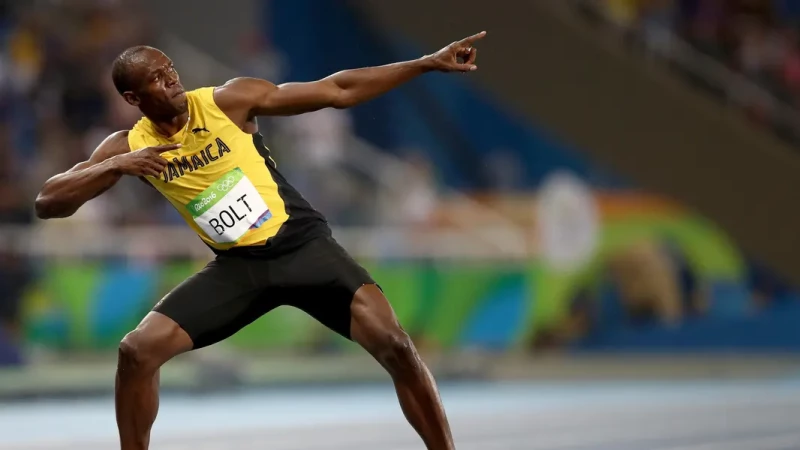
And maybe most importantly, Bolt never forgot to enjoy the ride. Despite all the pressure and expectations, he brought fun and personality to track and field. The Lightning Bolt pose, the celebrations, the dancing—that wasn't just for show. He genuinely loved what he did. "I work hard, and I do good, and I'm going to enjoy myself. I'm not going to let you restrict me," he once said. That attitude probably helped him sustain the work ethic needed to stay on top for so long.
The bottom line from Bolt's philosophy? Success isn't about being gifted or getting lucky. It's about combining whatever natural abilities you have with relentless work, clear goals, mental toughness, financial smarts, and the ability to learn from both your wins and your losses. His journey from a small-town Jamaican kid whose parents ran a grocery store to a $90 million fortune proves that with the right mindset and dedication, you can achieve things that seem impossible. Even when you're literally racing against the clock.
 Eseandre Mordi