Alex Dudov
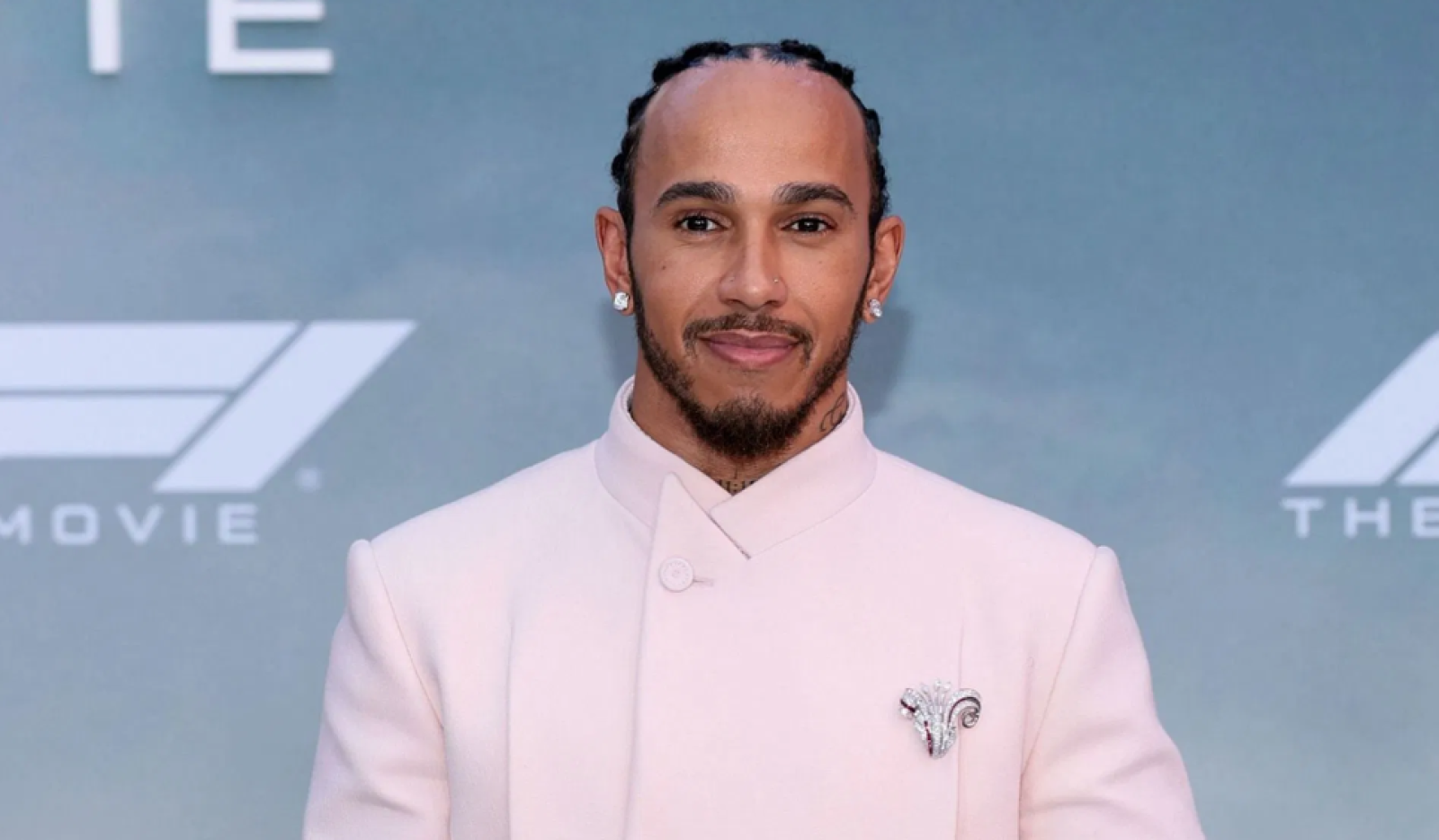
Lewis Hamilton didn't grow up rich. His dad worked multiple jobs just to scrape together money for karting sessions. Fast forward a few decades, and the kid from Stevenage is worth $300 million, drives for the most iconic team in F1 history, and has sponsorship deals that'd make your head spin. But here's what's wild – he almost didn't make it past those early karting days because the money just wasn't there. His story isn't just about being talented behind the wheel. It's about a family that bet everything on a dream, a kid who refused to play it safe, and smart moves that turned racing success into generational wealth.
Early Days: When Lewis Hamilton Net Worth Started at Zero
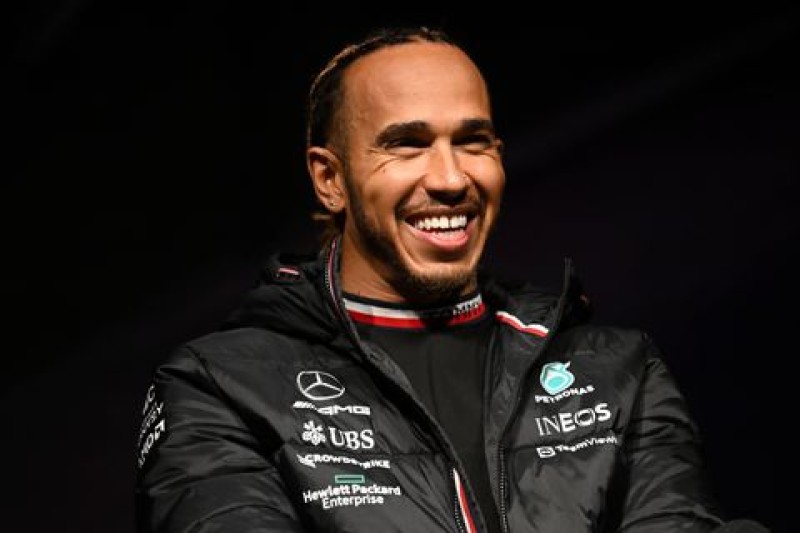
Lewis Hamilton's journey to massive wealth began in Stevenage, England, where his father Anthony worked multiple jobs to fund his son's karting dreams. At just eight years old in 1993, Lewis started racing karts – and his dad was shelling out around £5 per week for track time. That doesn't sound like much now, but for a working-class family, it was a serious commitment. Anthony even took on a second job to keep the dream alive.
By age ten, Hamilton approached McLaren team boss Ron Dennis at an awards ceremony and boldly said, "Hi, I'm Lewis Hamilton. I won the British Championship, and one day I want to race for your team." Three years later, in 1998, McLaren signed him to their young driver program – making him the youngest driver ever in their development system. That's when the real investment started paying off.
Building the Lewis Hamilton Net Worth Through F1 Contracts
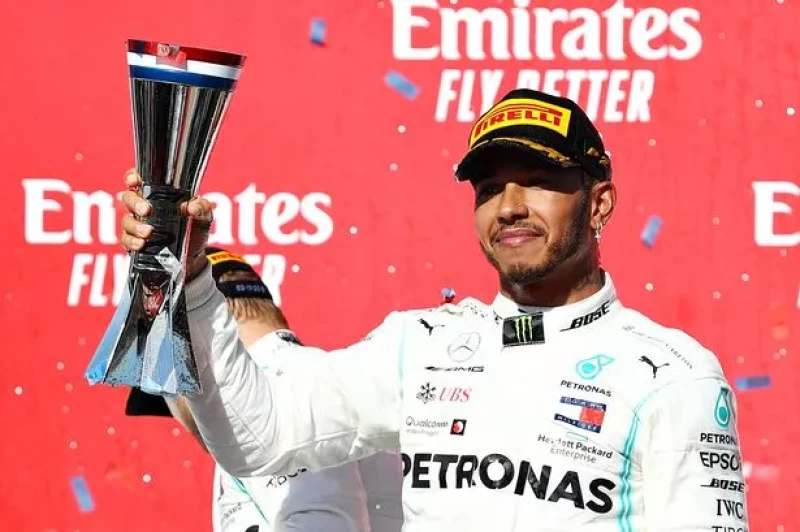
Hamilton's first proper paycheck came in 2007 when he debuted with McLaren in Formula 1. His rookie contract was reportedly around $500,000 – not bad for a 22-year-old, but nothing compared to what was coming. He nearly won the championship that first year, then actually grabbed it in 2008, becoming the youngest world champion at the time. After that title, his salary jumped to roughly $20 million per season.
The big money move happened in 2013 when Lewis switched to Mercedes. At first, he was making about $25 million annually, but as he kept winning championships – 2014, 2015, 2017, 2018, 2019, and 2020 – his value skyrocketed. By 2020, Hamilton was pulling in $55 million per year just from his Mercedes contract, making him one of the top-earning athletes on the planet.
Peak Earnings and Current Lewis Hamilton Net Worth Status
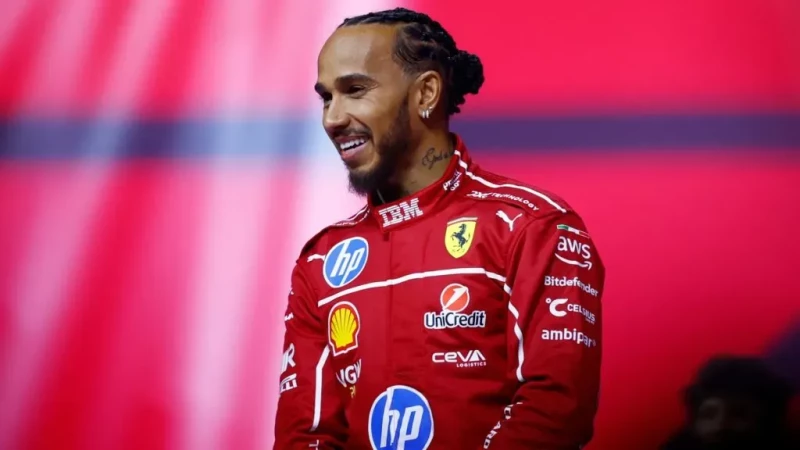
Hamilton hit his financial peak during his final years with Mercedes, where his contract reportedly paid him $70 million annually when you factored in bonuses and performance incentives. That's serious money, even by F1 standards. In 2024, he shocked the racing world by announcing a move to Ferrari for the 2025 season – a deal rumored to be worth around $50 million per year.
Right now, Lewis Hamilton net worth sits at an estimated $300 million. But here's the thing – that's not just from racing. He's got massive endorsement deals with brands like Tommy Hilfiger, IWC watches, Monster Energy, and Puma. He also launched his own fashion collaborations, invested in vegan restaurant chains, and even bought into an NFL team – he's part of the Denver Broncos ownership group. The guy's not just fast on the track – he's smart with his money off it too.
Hamilton's Philosophy on Success: Key Ideas from the Champion

So how does someone go from a kid whose dad worked two jobs to afford karting to a $300 million superstar? Lewis has shared his approach pretty openly over the years. First off, he's always talked about the importance of sacrifice – both his and his family's. His dad gave up everything for his dream, and that taught him to take opportunities seriously and never waste them.
Hamilton also believes in staying authentic and not being afraid to stand out. He's faced criticism for his fashion choices, his activism, and his lifestyle, but he's never backed down. You have to be yourself, even when people don't get it. That confidence helped him become more than just a driver – he became a brand.
Another big thing for Lewis is continuous improvement. Even after winning seven world championships, he's still working with trainers, studying race data, and pushing himself. The moment you think you've made it is the moment you start falling behind. And finally, he's big on using success to create opportunities for others – that's why he started the Mission 44 foundation to help underrepresented kids get into motorsport and STEM fields. For Hamilton, real success means opening doors, not just walking through them yourself.
 Alex Dudov