Sergey Diakov
- How Kevin Hart Made His First Dollar Before the Fame
- Kevin Hart Net Worth Origins: The Club Circuit and the Breakthrough Years
- The Peak: $90 Million in a Single Year and Selling Out Arenas Worldwide
- Kevin Hart Net Worth in 2025: The $450 Million Empire
- Kevin Hart's Core Principles: What He Believes It Takes to Succeed
There's a version of Kevin Hart's story that sounds almost too on-the-nose for a comedy special. Kid from a broken home in North Philadelphia, dad in prison, mom holding everything together on her own. He gets his first real job selling shoes for seven bucks an hour. He goes to community college, drops out, walks into a comedy club, bombs so badly someone throws chicken at him from the audience. And then, somehow, twenty-something years later, he's worth nearly half a billion dollars and has sold more concert tickets in a single year than almost any comedian in history.
The remarkable thing isn't just the money. It's how deliberately he built it, piece by piece, failure by failure, until the whole thing became something no one could ignore.
How Kevin Hart Made His First Dollar Before the Fame
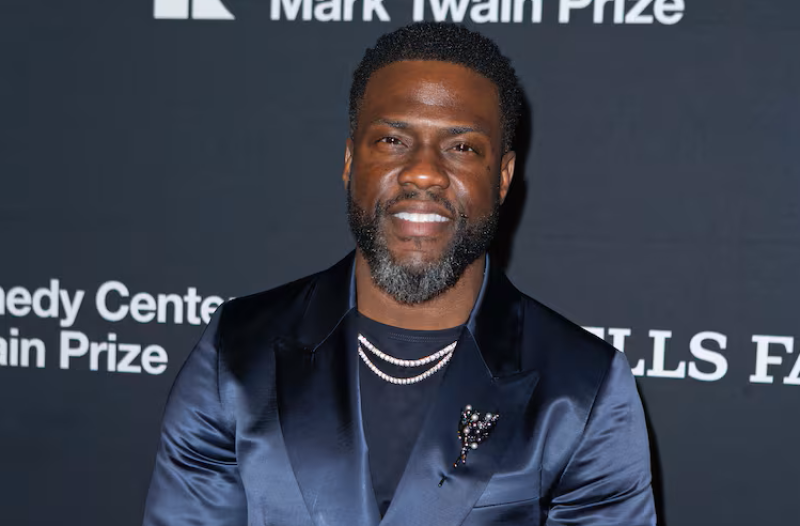
Kevin Darnell Hart was born on July 6, 1979, in Philadelphia. He grew up in a rough part of the city, raised mostly by his mother after his father's drug addiction and repeated run-ins with the law made him largely absent. Money was a constant source of stress in the household, and Hart learned early that no one was coming to hand him anything.
Before comedy, before Hollywood, before any of it, he worked at a shoe store in Philly. Not a bad job for a teenager trying to contribute, but not exactly a launchpad either. He was making around $7 an hour and attending the Community College of Philadelphia on the side. Then he made a decision that probably terrified his mother: he dropped out to do stand-up.
His first set was at The Laff House in Philadelphia, where he took the stage under the name "Lil Kev." It did not go well. The crowd booed. Someone threw food. Hart has talked about it openly over the years, describing how humiliating it was and how close he came to walking away entirely. Instead, he figured out what the problem was: he was imitating other comics, mostly Chris Tucker, instead of being himself. He went home, rewrote everything, and came back.
Kevin Hart Net Worth Origins: The Club Circuit and the Breakthrough Years
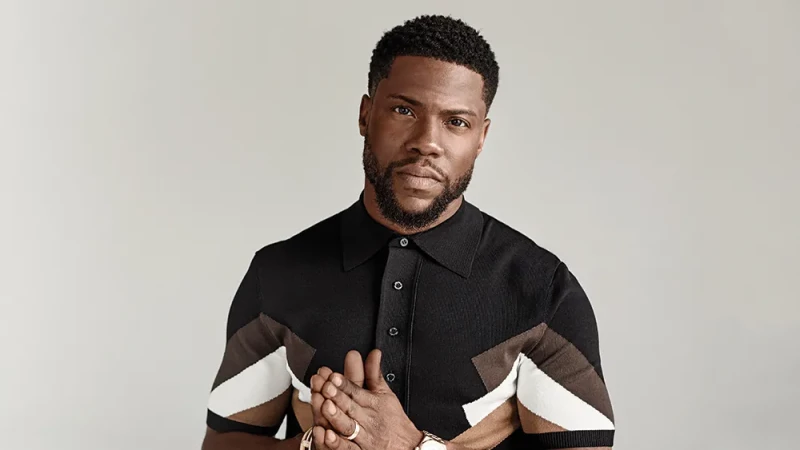
The early 2000s were a slow grind. Hart worked the comedy club circuit across the country, doing sets wherever he could get booked, building an audience one city at a time. He picked up a few small acting roles during this stretch, appearing in Scary Movie 3, Soul Plane, and The 40-Year-Old Virgin, nothing career-defining, but enough to keep his name moving through Hollywood.
The shift happened when he stopped performing material that felt borrowed and started using his actual life. The dysfunction, the absent father, the Philadelphia streets, the constant pressure to prove himself. That version of Kevin Hart connected in a way "Lil Kev" never did. His 2008 Comedy Central special I'm a Grown Little Man brought him to a national audience, and the follow-up Seriously Funny in 2010 locked it in.
But the moment that really changed his financial life was the Laugh at My Pain tour. It grossed over $15 million in ticket sales across 90 cities. Hart broke Eddie Murphy's two-day ticket sales record in the process and became the first African-American comedian to gross $1.1 million from a single performance. Hollywood started paying serious attention, and the roles got bigger: Think Like a Man, Ride Along, Get Hard, Central Intelligence. He wasn't just a comedian doing movies anymore. He was a genuine box office draw.
The Peak: $90 Million in a Single Year and Selling Out Arenas Worldwide
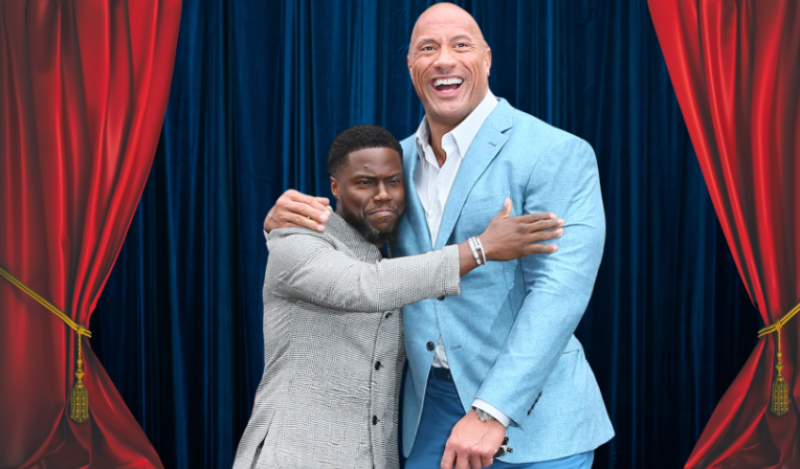
The period between August 2015 and August 2016 was probably the most financially explosive year of Kevin Hart's career. He earned $90 million during those twelve months, pulling in money from touring, films, merchandise, and endorsements simultaneously. For context, Jerry Seinfeld was the second-highest-paid comedian that year, and he made $30 million less.
The What Now? tour was the engine of it. Hart sold over a million tickets in a single year, which almost no comedian had done before him. He was playing arenas that typically hosted NBA games and stadium concerts, not stand-up comics. Gary Bongiovanni, the editor of the industry publication Pollstar, told Forbes at the time that Hart was simply a different kind of act: "He is doing arenas everywhere. His comedy transcends the borders of this country." He became one of the only comedians ever to sell out Madison Square Garden, joining a short list that includes Eddie Murphy, Chris Rock, and Bill Burr.
Endorsement deals with H&M, Hyundai, and Foot Locker added to the touring revenue, along with a high-profile voice role in The Secret Life of Pets. When the Jumanji franchise came along in 2017, Hart's earning power in movies leveled up too. He reportedly earned $30 million for Jumanji: The Next Level alone. The franchise grossed nearly $2 billion combined at the global box office. His film work across his entire career has now generated more than $1.3 billion worldwide.
Between June 2017 and June 2018, Hart earned $60 million. He matched that number the following year. The years started to blur together, each one adding another layer to what was becoming a genuinely massive personal fortune.
Kevin Hart Net Worth in 2025: The $450 Million Empire
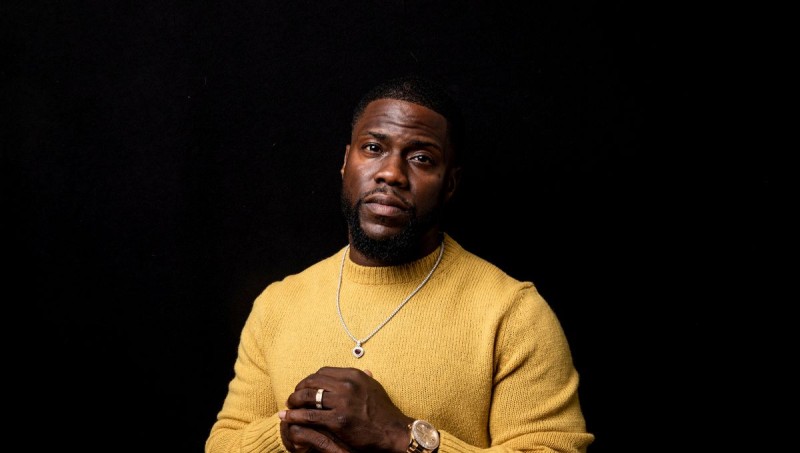
Kevin Hart net worth today is estimated at $450 million. In a normal year he brings in somewhere between $50 and $60 million from all his various income streams, though 2024 was reportedly closer to $81 million.
The part that most people underestimate is HartBeat. It's the media and entertainment company he built by merging his original production company with his Laugh Out Loud comedy network, and it has become the most valuable single asset in his portfolio. In May 2022, HartBeat received a $100 million private equity investment that pushed its total valuation past $650 million. Hart holds roughly an 85% stake in the company, which means that asset alone is worth around $552 million on paper. His net worth, on some measures, is actually understated by the usual celebrity estimates.
Beyond HartBeat, the money comes from everywhere. He commands up to $20 million upfront for leading film roles, with his Jumanji payday suggesting that ceiling can go higher depending on the project. His live shows gross approximately $1 million per night. Netflix signed him to a deal reportedly worth around $100 million for four exclusive films. His Instagram account, with 177 million followers, generates an estimated $28 million a year in branded content, even though Hart posts only a fraction of the sponsored content his peers do. In one 13-month period, he posted 26 ads while a comparable celebrity posted 88, and brands still lined up to work with him.
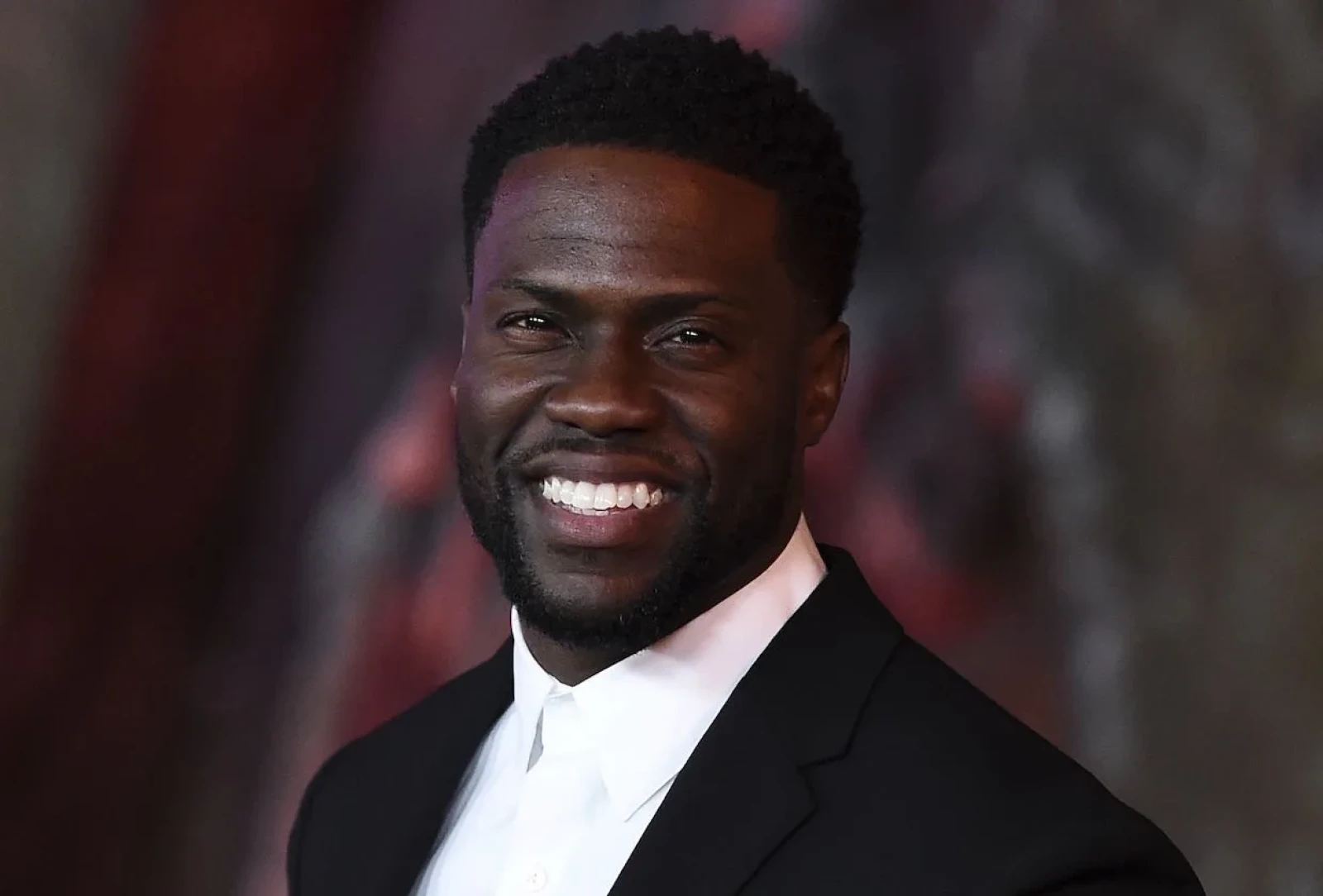
His business portfolio includes Gran Coramino Tequila, a premium spirits brand he co-founded with Juan Domingo Beckmann, the CEO of Jose Cuervo. The brand has a built-in philanthropy component: $1 from every bottle sold goes to the Coramino Fund, which by April 2024 had already distributed over $1 million to Black and Latinx entrepreneurs. He also runs HartBeat Ventures, a venture capital firm that has invested in companies like Path Water, Hydrow, and Moonpay. In 2024, he received the Mark Twain Prize for American Humor, the highest honor in comedy, joining a list that includes Richard Pryor, Eddie Murphy, and Carol Burnett.
Kevin Hart's Core Principles: What He Believes It Takes to Succeed
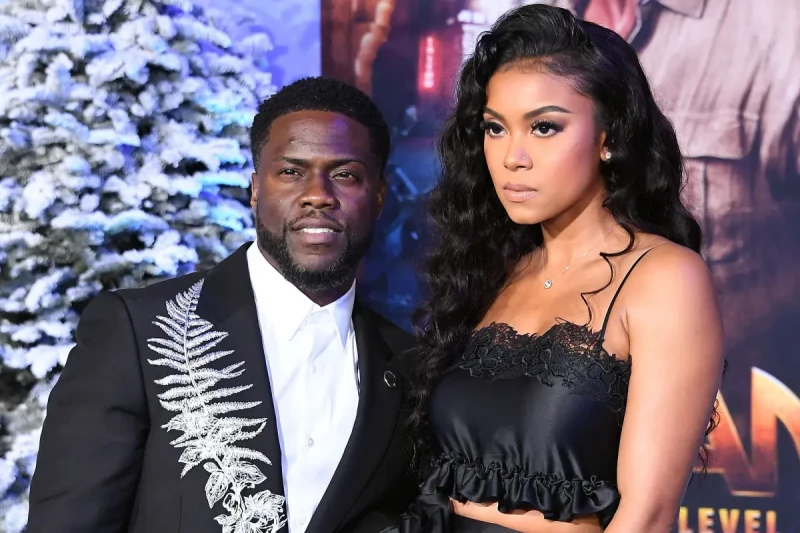
Hart is unusually open about the thinking behind his career, and it's refreshingly concrete compared to most celebrity advice.
The first thing he comes back to consistently is authenticity. His career didn't actually work until he stopped performing as a version of someone else and started performing as himself. The material that made him famous was drawn directly from his own life: the broken family, the struggling neighborhood, the pressure and the fear and the dark humor that comes from growing up around all of that. He tells people that their real story is their superpower, and in his case, it literally was.
The second thing is the distinction between earning and owning. Hart has said in multiple interviews that he considers himself more of a businessman than a comedian, and the way he's structured his finances backs that up. Touring and acting fees are income. HartBeat is equity. He's spent years shifting as much of his energy as possible toward building things he actually owns, because ownership creates value that keeps growing even when you're not actively working.
Third is what he calls purposeful diversification. He doesn't chase every opportunity that comes his way. Gran Coramino fits his public image around entrepreneurship and community. His Fabletics investment connects to the fitness persona he's cultivated. Every business move extends something that already exists in how people see him, which makes each new venture feel authentic rather than random.
And underneath all of it is a work ethic that people around him describe as almost compulsive. Hart has been open about the fact that slowing down doesn't come naturally to him, and that the drive to keep building is as much a part of his personality as anything else. Whether that's inspiring or a little exhausting probably depends on your perspective. But when you're looking at a kevin hart net worth of nearly half a billion dollars, built from a $7-an-hour shoe store job and a debut that ended with food being thrown at you, it's hard to argue the approach didn't work.
 Sergey Diakov