Sergey Diakov
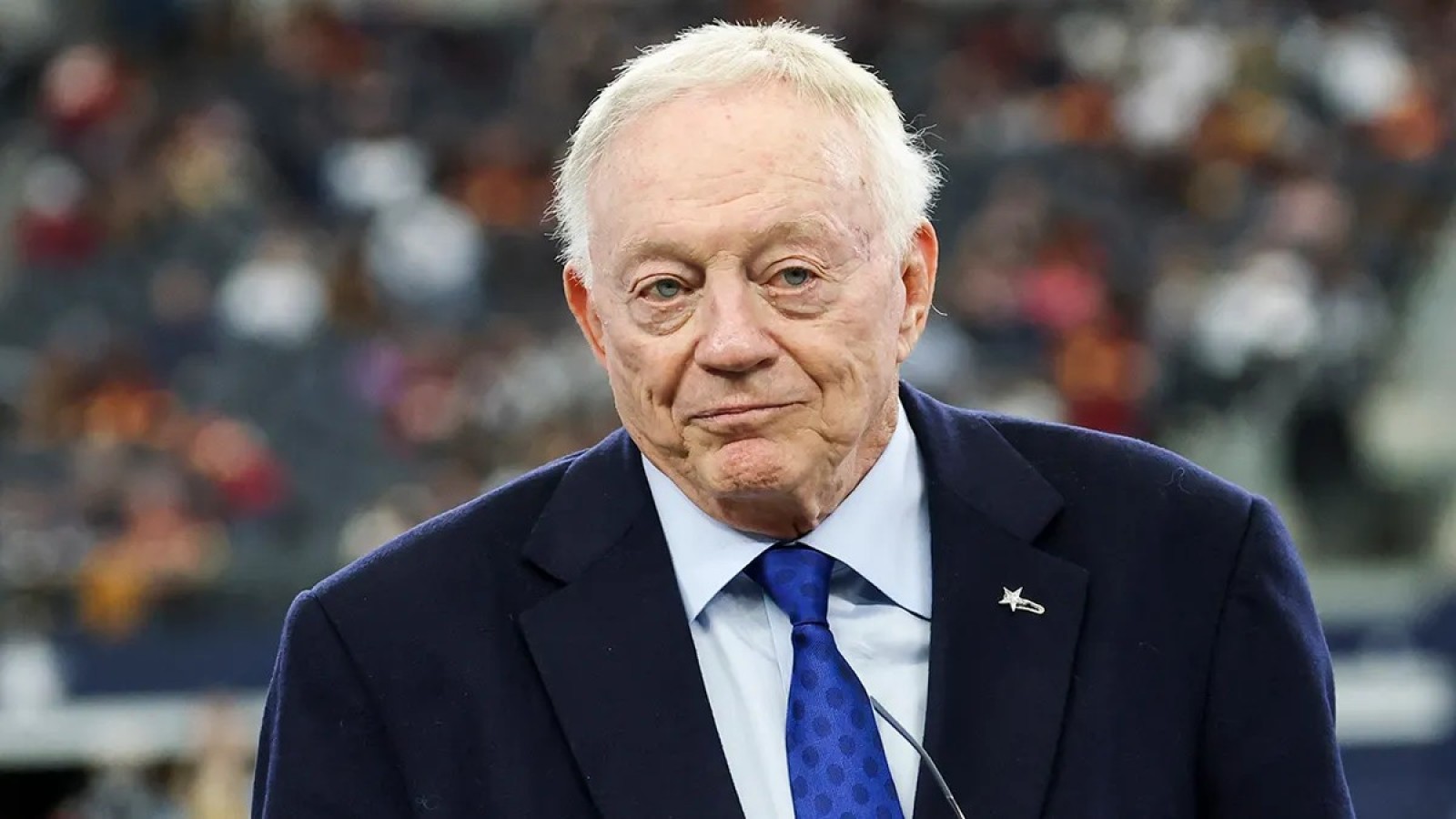
You know Jerry Jones—the guy in the owner's box at every Cowboys game, the face behind America's Team. But how did this Arkansas businessman become one of the wealthiest people in sports? His story isn't just about buying a football team. It's about taking massive risks, revolutionizing how sports franchises make money, and turning a struggling team into a $10 billion asset. Let's break down how Jerry Jones built his incredible fortune and what his net worth looks like today.
Jerry Jones Net Worth: The Oil Money That Started Everything
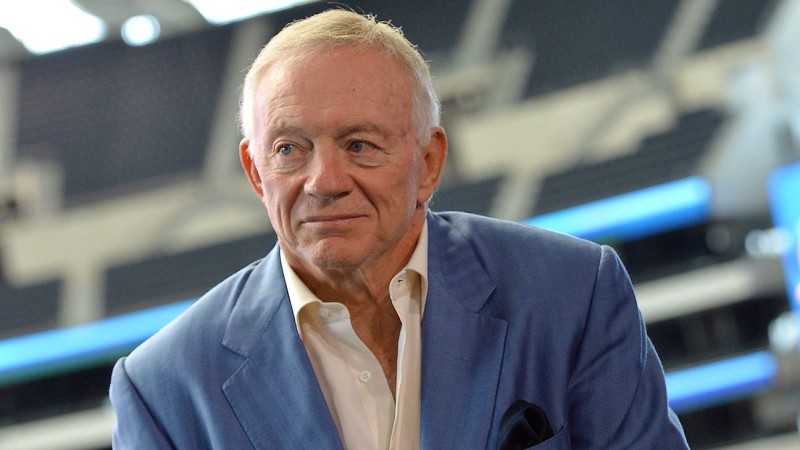
Before Jerry Jones ever thought about owning an NFL team, he was getting his hands dirty in the oil fields of Arkansas and Oklahoma. After graduating from the University of Arkansas in 1965—where he played on their national championship football team—Jones didn't jump straight into the sports world. Instead, he started working in his dad's insurance business, but that corporate life wasn't really his style.
In the 1970s, Jones founded Jones Oil and Land Lease and dove headfirst into oil and gas exploration. The timing couldn't have been better. Energy prices were climbing, and Jones had a knack for finding the right spots to drill. He wasn't just lucky though—he studied the geology, took calculated risks, and built real relationships in the industry. By the mid-1980s, he'd already made his first fortune, estimated at over $100 million. That oil money became his ticket to the big leagues, literally. Without those successful years in energy, there's no way he could've afforded what came next.
How Jerry Jones Transformed the Cowboys and Multiplied His Wealth

February 25, 1989—that's the date that changed everything. Jerry Jones bought the Dallas Cowboys for $140 million, which was a record-breaking price at the time. Most people thought he was crazy. The team had just gone 3-13, they were losing money, and the franchise was a mess. But Jones saw something others didn't: untapped potential.
What Jones did next was pretty revolutionary. He basically rewrote the playbook on how NFL teams make money. Instead of just relying on ticket sales and shared league revenue, he went after sponsorship deals aggressively. He figured out that stadiums could be massive money-making machines if you maximized every advertising opportunity. The league didn't love this approach at first, but Jones didn't care—he was building a business empire.
And then the winning started. Three Super Bowl championships in four years during the 1990s—1993, 1994, and 1996. The team's value exploded. What Jones paid $140 million for in 1989 was worth around $663 million by 2000. His personal wealth grew right alongside it, boosted by both the team's rising value and his ongoing oil and gas investments. Jerry Jones net worth was climbing fast, and he was just getting started.
Jerry Jones Net Worth at Its Peak: The Billion-Dollar Stadium Move
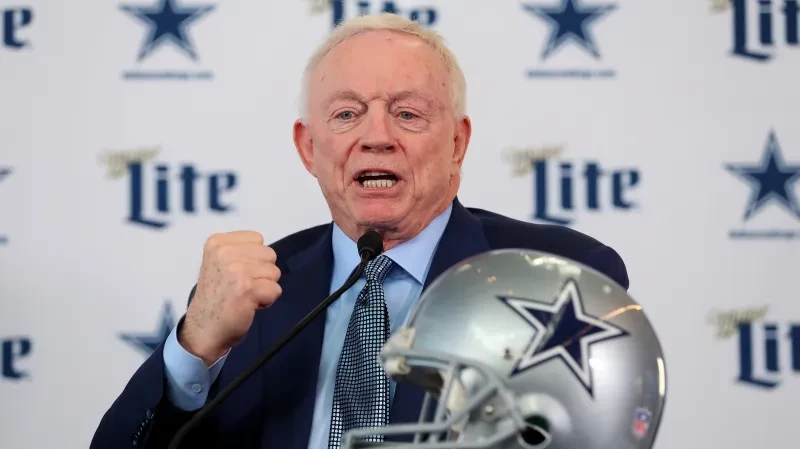
Here's where Jones really swung for the fences. In 2009, he opened AT&T Stadium, and it cost a staggering $1.15 billion to build. Jones personally financed a huge chunk of that, which was an enormous gamble. People questioned whether it was worth it, whether the debt was too risky. But Jones had a vision for what a modern sports venue could be.
That stadium changed everything. The massive video board, the luxury suites, the retractable roof—it wasn't just a place to watch football, it was an entertainment destination. Concerts, college football games, boxing matches, you name it. The revenue streams just kept multiplying. Today, the Dallas Cowboys are valued at roughly $10.32 billion, making them the most valuable sports franchise on the planet for eight straight years.
So what's Jerry Jones net worth today? Forbes estimates it at around $15 billion. The Cowboys make up the biggest chunk of that wealth, pulling in over $1.2 billion in annual revenue. Jones himself is estimated to earn somewhere between $200-300 million annually when you factor in team profits and how much the franchise value keeps growing. Not bad for a guy who once worked the oil fields in Arkansas. His oil and gas businesses still contribute to his wealth too, though the Cowboys are clearly the crown jewel now.
Success Principles: What Jerry Jones Teaches About Building Wealth
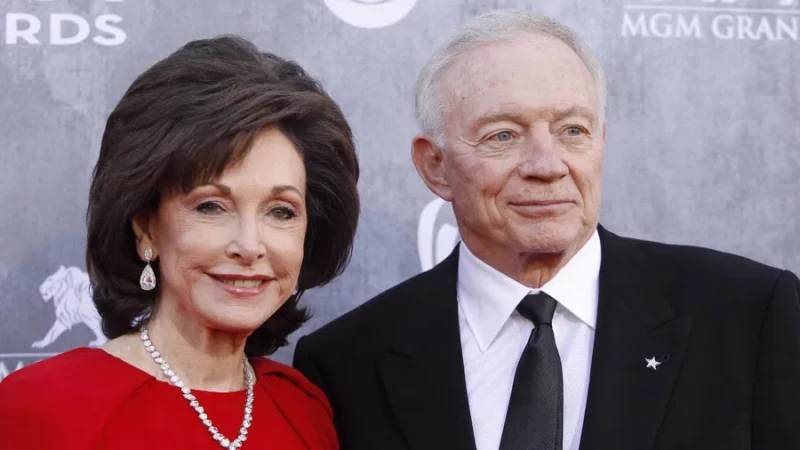
Jerry Jones didn't become a billionaire by playing it safe, and he's pretty open about the mindset that got him there. One of his favorite sayings is "if you're going to make an omelet, you've got to break some eggs." That basically sums up his whole approach—calculated risks are necessary if you want big rewards. When he bought the Cowboys, everyone thought it was a terrible investment. Turns out, it was one of the smartest moves in sports business history.
Another thing about Jones—he's a total workaholic who stays involved in everything. Most team owners hire people to run the show and just collect checks. Not Jerry. He's in the weeds on player decisions, marketing campaigns, stadium operations, you name it. Even now in his eighties, he's reportedly working 80-100 hour weeks. His philosophy is simple: if you want something done right and you want to maximize profits, you need to understand every part of your business.
Jones also preaches the importance of controlling your revenue streams instead of sharing them. That's why he fought so hard to keep stadium sponsorships in-house rather than splitting everything with the league. And maybe most importantly, he thinks long-term. Building AT&T Stadium required taking on serious debt and risk, but he knew that investment would pay off for decades. He's famous for saying "I've always tried to do things that people said couldn't be done." That attitude—combined with relentless work ethic and willingness to bet on himself—is what turned Jerry Jones from a successful oilman into one of the richest people in America. The lesson? Don't be afraid to go big, stay hands-on with your business, and always think about where you'll be in 20 years, not just next quarter.
 Sergey Diakov