Sergey Diakov
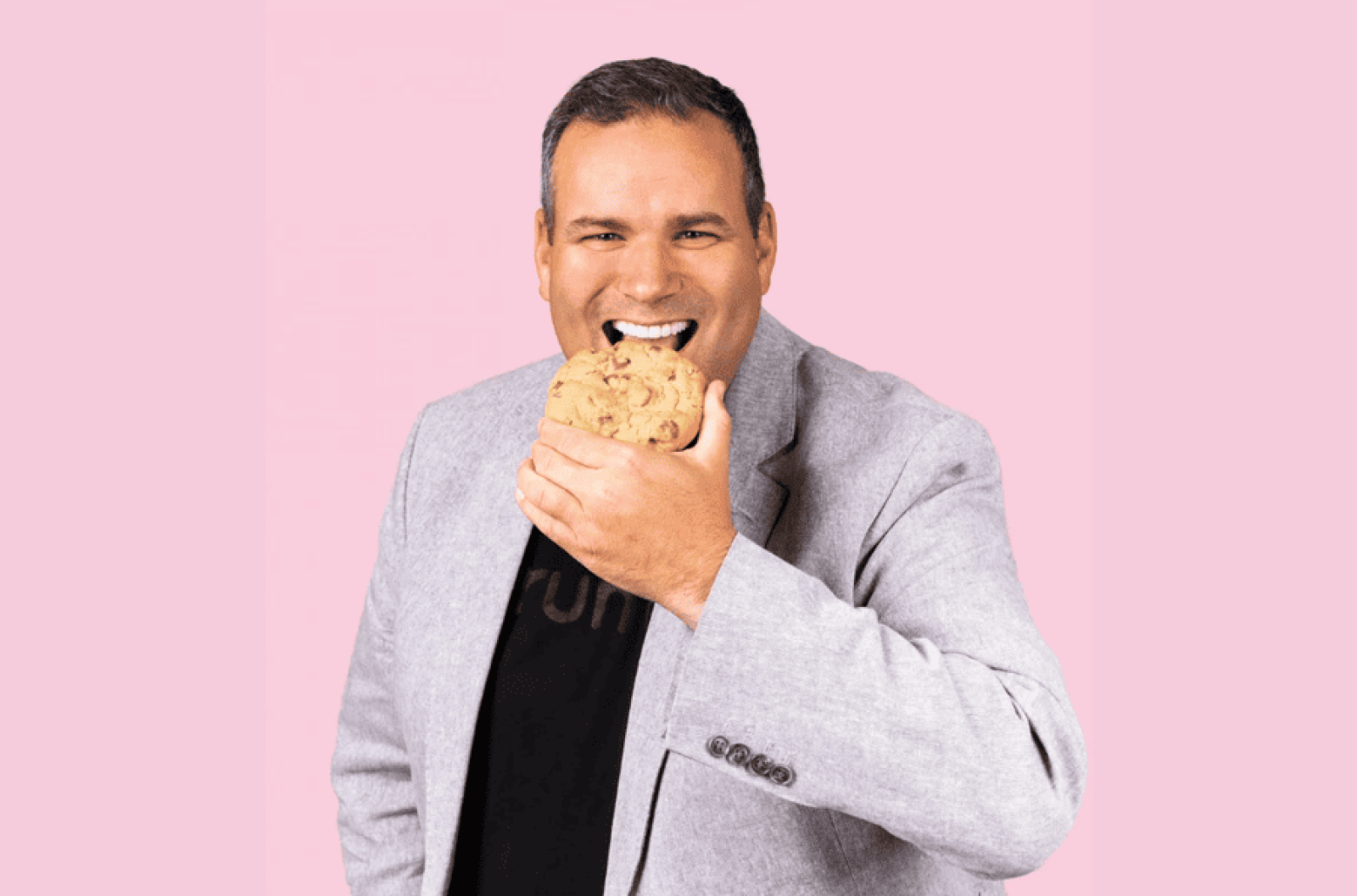
Jason McGowan didn't wake up one day dreaming about cookies. Like most of us, he was just trying to figure things out. Growing up in Utah, he was that kid who was obsessed with computers and making money. His first real hustle came in high school when he started building websites for local businesses. Nothing fancy—just basic sites that helped mom-and-pop shops get online. He'd charge a few hundred bucks per project, and by graduation, he'd saved up a few thousand dollars. More importantly, he learned something that would change his life: if you solve people's problems with quality stuff, they'll pay you.
From Boring Desk Jobs to Cookie Dough Dreams

McGowan's first real job was pretty unglamorous—tech support at some software company in Utah, making around $35,000 a year. He was basically the guy you'd call when your computer wouldn't work. But he was watching everything, learning how businesses operated, how customers thought, what made people spend money. After a couple years of that grind, he moved to a marketing gig at a digital agency where he was pulling in about $55,000. Better money, but he was still working for someone else, and that was eating at him.
By 2017, McGowan was done playing it safe. He teamed up with his cousin Sawyer Hemsley, and they had this wild idea: what if they made cookies that were so good and so Instagram-worthy that people couldn't stop talking about them? And what if they changed the flavors every single week so customers had to keep coming back to see what was new? It sounded crazy, but they went for it.
How the CEO of Crumbl Turned $60K Into a Billion-Dollar Brand
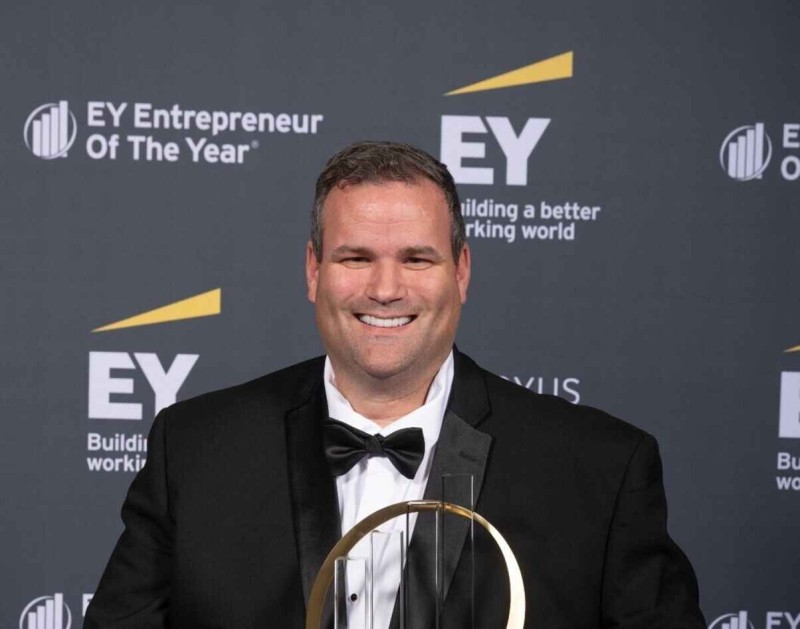
They opened the first Crumbl location in Logan, Utah, with about $30,000 each from their savings. That's it—no massive investors, no fancy startup capital. Just two guys who believed in their cookies. The first year was rough. They were working insane hours, perfecting recipes, and posting everything on Instagram. But something clicked. People started showing up just to take pictures of those massive cookies in pink boxes. By 2018, McGowan was finally making around $100,000 a year, which felt like winning the lottery after years of grinding.
The real game-changer came in 2019 when they decided to franchise. Within two years, they had over 200 locations, and McGowan's income exploded into the millions annually. Franchise fees and royalties were rolling in faster than they could count. The weekly rotating menu became their secret weapon—people couldn't help but wonder what flavor was dropping next week. TikTok blew up with Crumbl reviews, and they didn't even have to pay for that advertising.
Peak Success: When Everything Goes Crazy
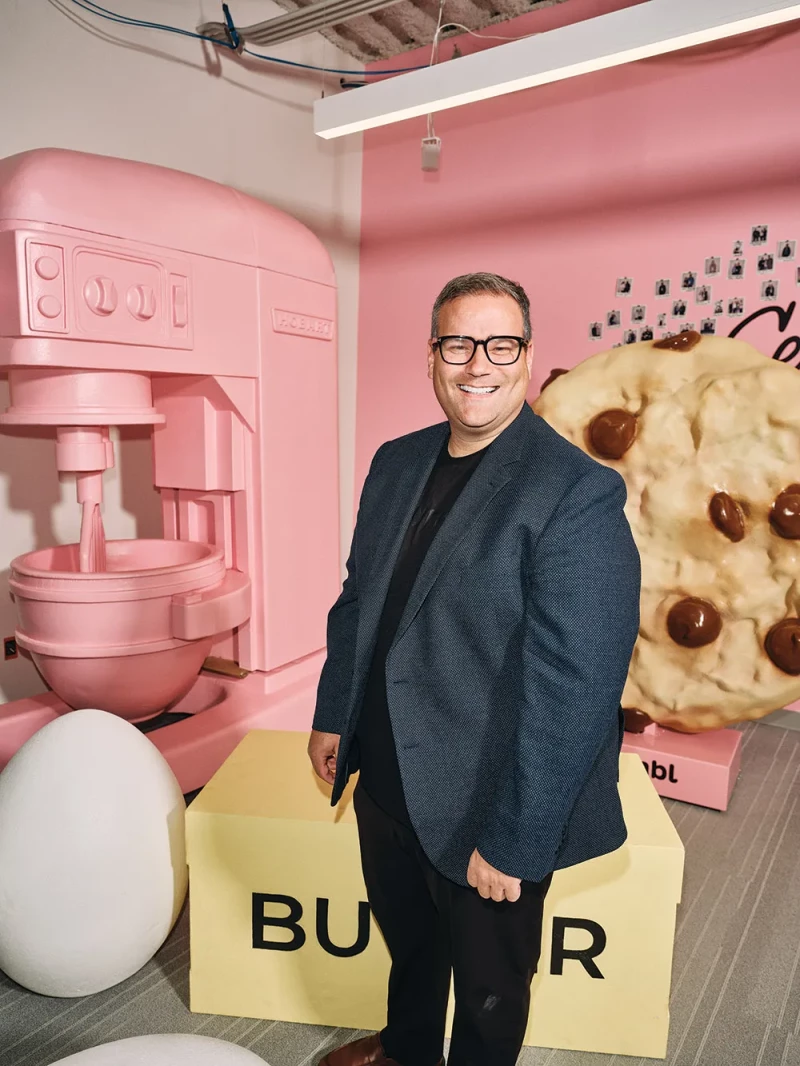
McGowan hit his absolute peak around 2021-2022. Crumbl was valued at over $1 billion—yeah, billion with a B. They were opening three or four stores every week, which is borderline insane for any franchise. As the CEO of Crumbl, McGowan was reportedly bringing in between $15-20 million a year from his equity, franchise fees, and salary. Those pink boxes became as recognizable as Starbucks cups. His personal net worth shot up to somewhere between $50-100 million. Not bad for a guy who started out making $35K answering tech support calls.
Where McGowan Stands Today
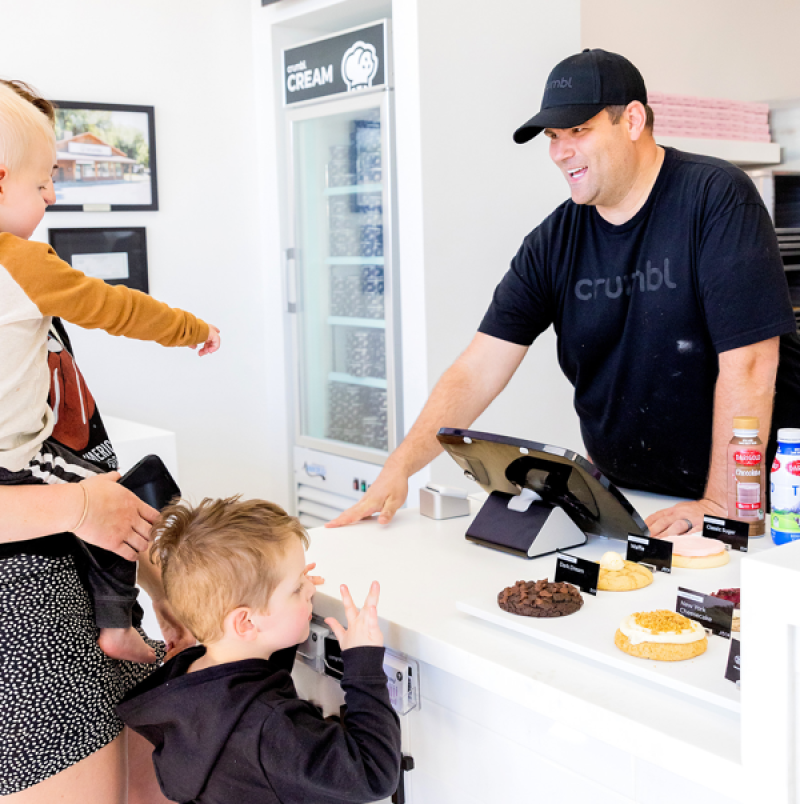
Fast forward to now, and Crumbl has over 900 locations across the US and beyond. The crazy explosive growth has chilled out a bit, but the company's still crushing it with over $1 billion in annual revenue. McGowan's pulling in an estimated $10-15 million a year these days from his ownership stake and executive pay. His total net worth is probably sitting somewhere between $75-120 million, though he keeps the exact numbers private. Sure, there are copycats everywhere now trying to do the weekly flavor thing, but McGowan keeps innovating—they've launched Crumbl Cakes, expanded delivery partnerships, and they're constantly testing new concepts.
McGowan's Blueprint: How He Actually Built This Thing

McGowan's pretty open about what worked for him, and his advice is refreshingly straightforward. First off, make something people actually want to talk about. Your product has to be so good that customers become walking billboards. Second, don't be afraid to keep changing things up—that rotating menu wasn't just a marketing trick, it forced them to never get complacent. Third, social media is everything, but it has to be real. People can smell fake marketing from a mile away. Fourth, get your systems right before you scale. Too many people try to expand before they've figured out the basics, and that's how you crash and burn.
Finally, McGowan always talks about partnership. His cousin Sawyer had different skills, and that balance was crucial. McGowan knew marketing and tech; Sawyer knew operations and recipes. Together they were unstoppable. The whole story is proof that you don't need some revolutionary idea or millions in funding. You just need something people want, a solid plan to scale it, and the guts to actually go for it. McGowan went from answering phones in a cubicle to running a billion-dollar cookie empire in less than five years. That's the kind of success story that makes you think, "Maybe I should stop making excuses and actually start that thing I've been thinking about."
 Sergey Diakov