Peter Smith
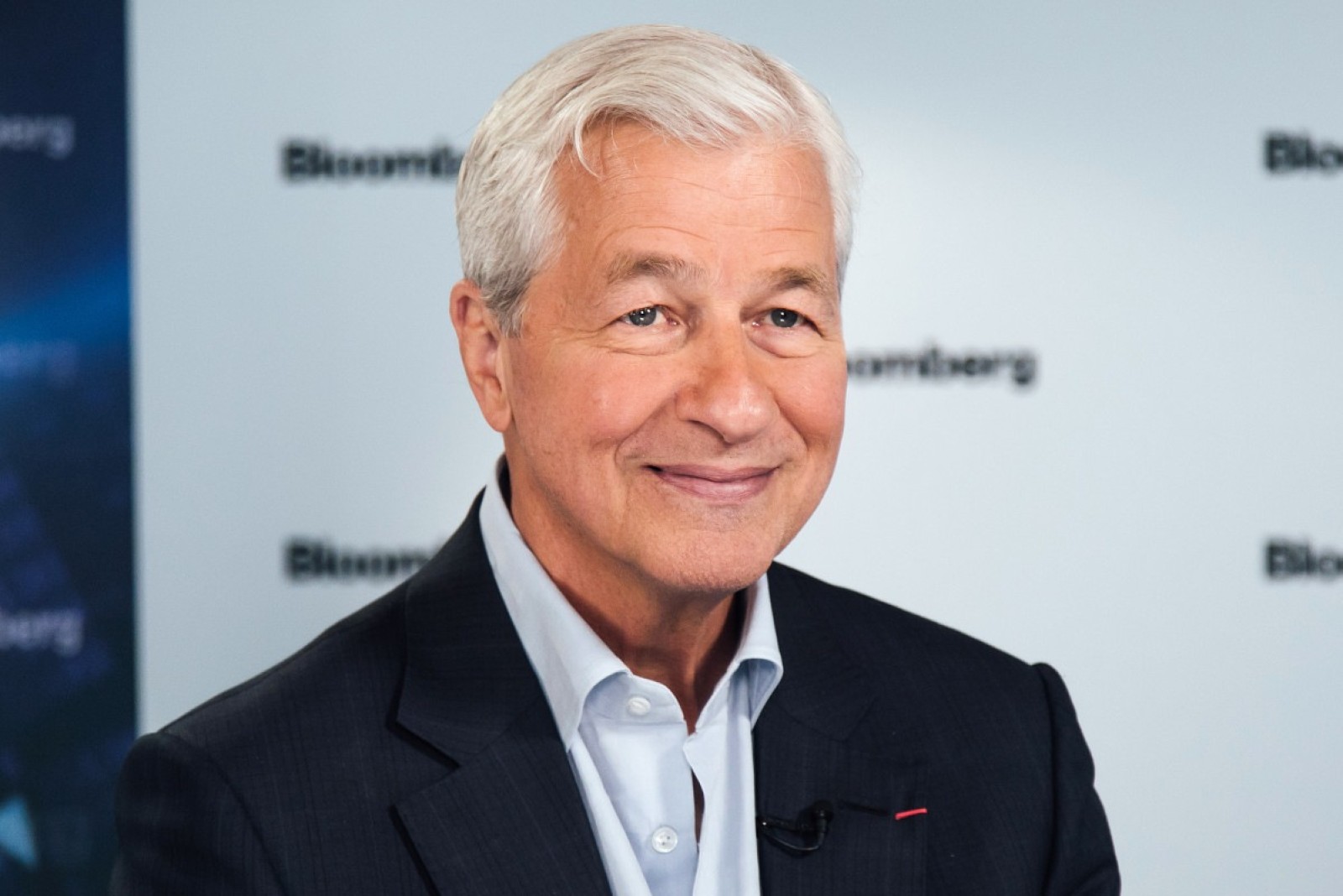
Jamie Dimon's story isn't your typical rags-to-riches tale, but it's compelling nonetheless. He didn't start with nothing, but he didn't inherit a fortune either. What he built as the CEO of Chase Bank represents one of the most impressive leadership runs in modern banking history. From navigating the 2008 financial crisis to steering his bank through a global pandemic, Dimon has proven time and again that smart decisions and strong principles pay off—literally.
Early Career: From Consulting to Wall Street Success
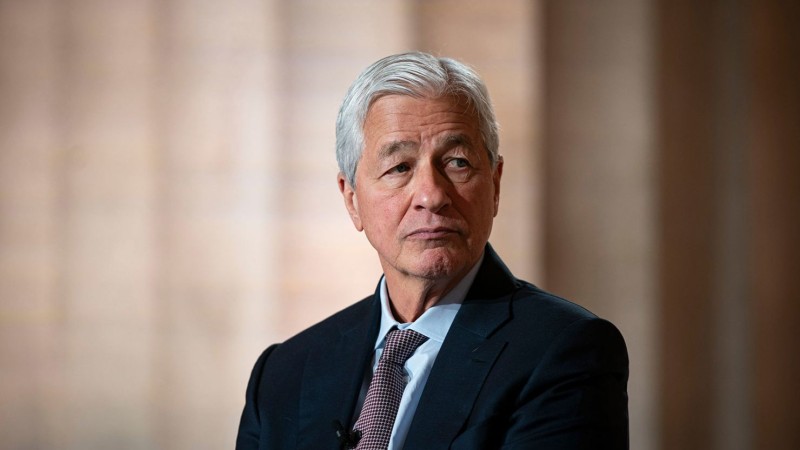
Dimon grew up in Jackson Heights, Queens, in a middle-class Greek-American family. His father and grandfather were stockbrokers, so finance was in his blood, but wealth wasn't handed to him. After earning his MBA from Harvard Business School in 1982, he landed his first major job at American Express, working as an assistant to Sandy Weill. His starting salary was around $45,000—decent money back then, but nothing spectacular by Wall Street standards.
Those early years taught him everything about building financial companies from scratch. He and Weill assembled what would eventually become Citigroup, acquiring and merging companies throughout the 1980s and 1990s. By his early thirties, Dimon was pulling in several hundred thousand dollars annually as he climbed the ranks, learning the nuts and bolts of commercial banking, investment banking, and corporate finance.
The Road to Becoming CEO of Chase Bank
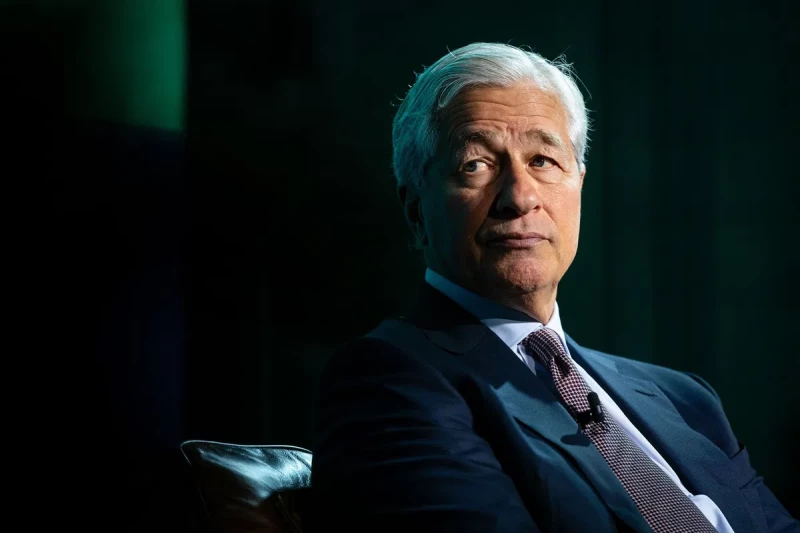
Here's where things get interesting. In 1998, after 16 years working alongside Weill, Dimon got fired. The reasons were complicated—personality clashes, power struggles, the usual corporate drama—but suddenly he was out of a job at the peak of his career. He could have retired comfortably, but that's not who he is.
After taking a year off, Dimon became CEO of Bank One in Chicago in 2000. The bank was struggling, losing money, and badly in need of direction. He turned it around completely, earning about $20 million a year for his efforts. When JPMorgan Chase bought Bank One in 2004, Dimon came along as part of the deal, first as president and COO, then as CEO in December 2005.
Leading Chase Bank Through Crisis and Growth
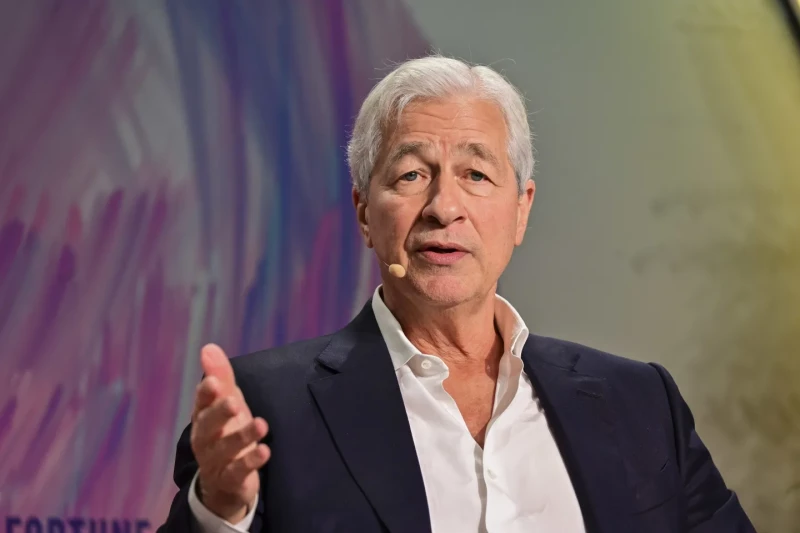
Dimon's real test came in 2008. While Bear Stearns, Lehman Brothers, and Wachovia collapsed, and Citigroup and Bank of America needed government bailouts, JPMorgan Chase stayed strong. The CEO of Chase Bank had kept his institution well-capitalized and relatively conservative compared to competitors who'd bet big on subprime mortgages.
During the crisis, he even acquired the failing Bear Stearns and Washington Mutual, expanding JPMorgan's footprint while rivals were fighting for survival. His compensation during those years reflected his value to shareholders—typically $20-30 million annually, though he voluntarily took just $1 million in 2008 and 2009 to show solidarity during tough times.
Under his leadership, JPMorgan Chase grew from around $1.5 trillion in assets to over $4 trillion today, making it not just America's largest bank but one of the most valuable financial institutions on the planet.
Current Wealth and Compensation

So what's Jamie Dimon worth today? His net worth sits at approximately $2 billion. His annual pay package typically ranges between $30-36 million, combining base salary, cash bonuses, and stock awards. In 2023, he received $36 million in total compensation—a number that might seem outrageous until you consider he's managing a company worth over $500 billion in market value.
Most of his wealth comes from JPMorgan stock he's accumulated over nearly two decades as CEO. That stock has performed exceptionally well, multiplying several times over during his tenure. He's also known for not selling much of it, keeping his interests closely aligned with shareholders.
Jamie Dimon's Principles for Success
Throughout his career, Dimon has been remarkably consistent about what matters in business and life. Here are the core principles he credits for his success:
- Play the Long Game: Dimon constantly preaches about building sustainable businesses rather than maximizing next quarter's earnings. He's told investors countless times that JPMorgan makes decisions based on what's right over years and decades, not months. This long-term thinking is why his bank weathered storms that sank competitors.
- Turn Failures Into Fuel: Getting fired from Citigroup could have ended his career. Instead, he used it as motivation to prove himself all over again. He tells young professionals that setbacks and failures teach you more than success ever will, and that the ability to bounce back is what separates average performers from exceptional ones.
- Never Stop Learning: Despite running one of the world's biggest banks, Dimon reads voraciously—books, research papers, competitor reports, everything. He surrounds himself with smart people and actually listens to them. He's publicly admitted mistakes and changed course when wrong, which is shockingly rare among powerful CEOs.
- Master the Basics: Dimon obsesses over fundamentals like capital ratios, risk management, and customer service. While competitors chased exciting new products and risky innovations, he made sure JPMorgan had a rock-solid foundation. When the crisis hit, those fundamentals saved his bank while flashier strategies destroyed others.
- Lead With Honesty: His annual shareholder letters are famous across the financial world for being brutally honest about economic conditions, policy mistakes, and even JPMorgan's own shortcomings. He doesn't sugarcoat things for investors, regulators, or employees. That straight talk has built enormous trust and credibility over the years.
The story of the CEO of Chase Bank shows that building real wealth and lasting success requires more than just intelligence or ambition. It takes patience, integrity, the ability to learn from failure, and an unwavering commitment to doing things the right way even when shortcuts are available. From his first $45,000 paycheck to building a $2 billion fortune, Jamie Dimon's career proves that principled leadership and strategic thinking create results that last.
 Peter Smith