Peter Smith
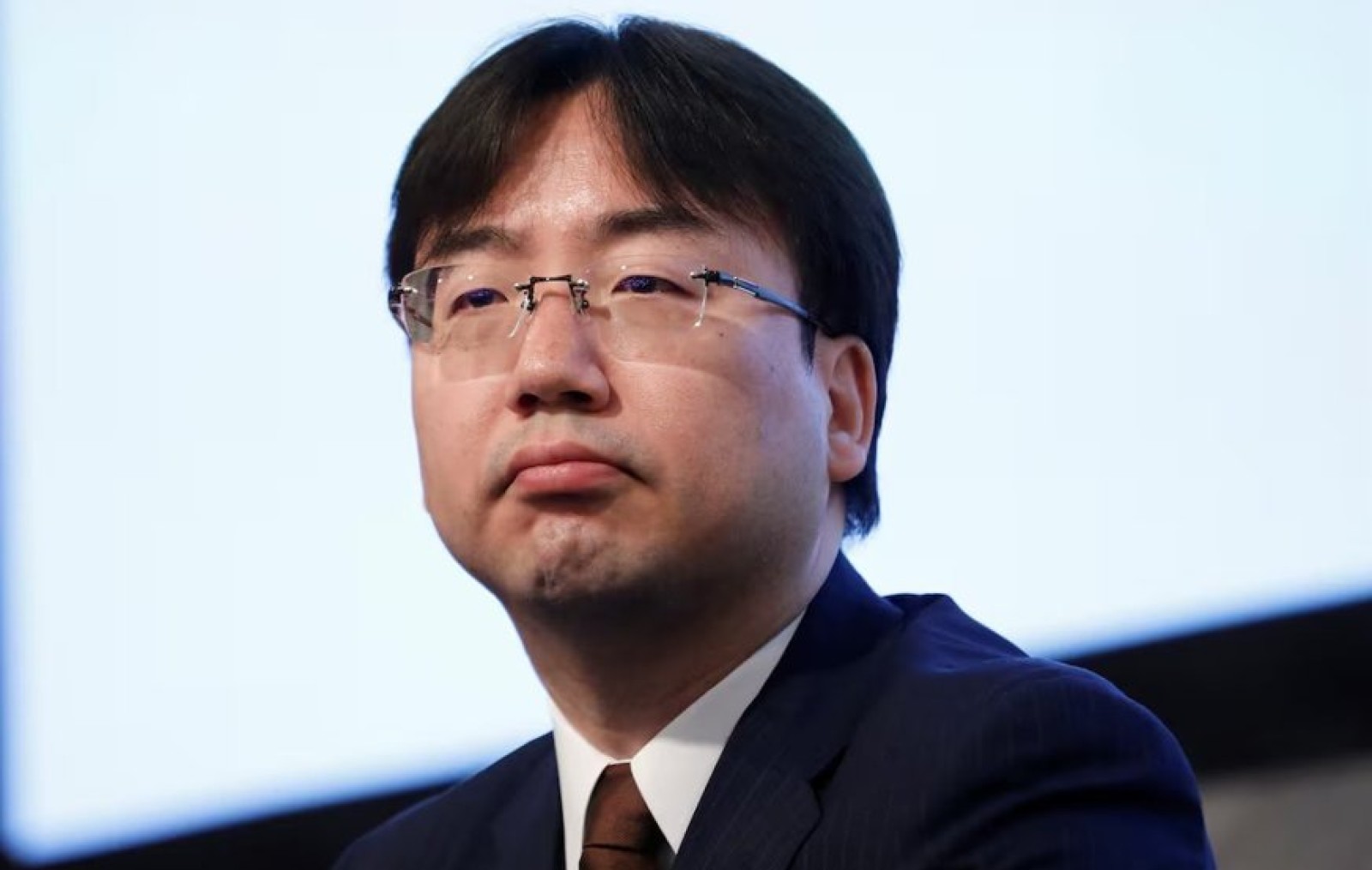
Picture this: a young kid in Tokyo during the mid-1980s, saving up his allowance to buy a Famicom console. Fast forward a few decades, and that same kid is now running the whole show at Nintendo. That's Shuntaro Furukawa's story in a nutshell.
Born in 1972 to a creative family—his dad Taku was an illustrator and film director—Furukawa grew up surrounded by art and storytelling. But what really grabbed him was video games. When he finally got his hands on that Famicom during middle school, something clicked. He wasn't just playing games anymore; he was falling in love with what would become his life's work.
Here's the thing about Furukawa that makes his story interesting: he didn't set out to be CEO of Nintendo. He wasn't some prodigy who mapped out his entire career at age 15. He was just a gaming fan who ended up working for the company he loved, learned everything he could, and quietly climbed the ladder over 24 years. No drama, no flashy moves—just solid work and patience.
How the CEO of Nintendo Built His Career from Accounting Roots
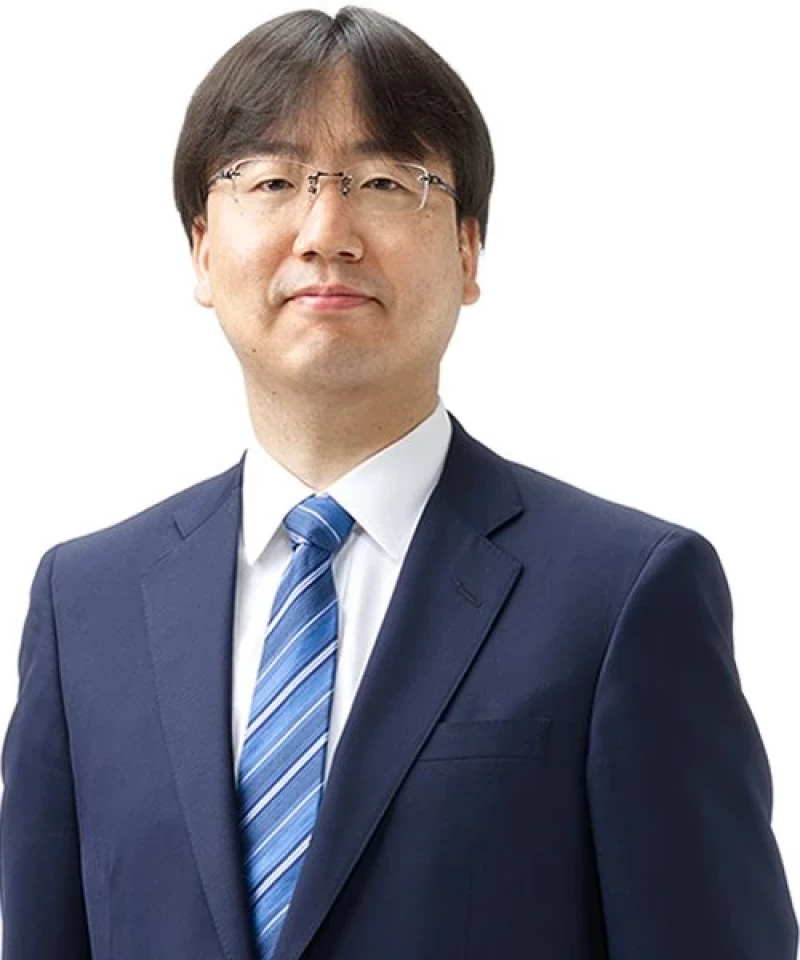
So Furukawa graduates from Waseda University in 1994 with a degree in political science and economics. What does he do? Joins Nintendo's graduate program and gets shipped off to Frankfurt, Germany to work in accounting at Nintendo of Europe. Not exactly the sexy career start you'd expect for a future CEO of Nintendo, right?
But here's where it gets interesting. While he's sitting there in Germany doing financial reports and balance sheets for ten years, he's actually learning how a global gaming company really works. He's there during the Wii launch in 2006, watching Nintendo move millions of consoles across Europe while PlayStation 3 is struggling with its high price tag. He's not just counting money—he's seeing the whole machine operate from the inside.
Those early years probably paid him a pretty standard salary for a junior finance guy at an international company. We're talking normal corporate money, nothing crazy. But what he was really earning was knowledge. By the time he came back to Nintendo's headquarters in Kyoto in 2009, he could speak fluent English, understood European markets better than most Japanese executives, and knew the financial side of gaming backwards and forwards.
The CEO of Nintendo's Climb Through Corporate Ranks
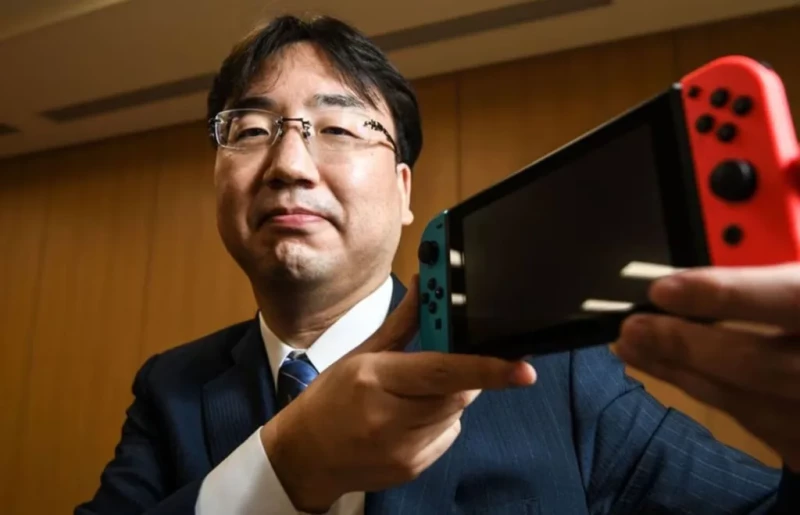
Back in Japan, things started moving fast for Furukawa. He worked on game projects like Kid Icarus: Uprising, which was unusual for an accounting guy but showed Nintendo's higher-ups that he got both the numbers and the creative side. That combination is pretty rare in the gaming world.
The big breaks came quick after that. In 2015, he became General Manager of Corporate Planning during a major company shake-up. A year later, he's on Nintendo's Board of Directors as Managing Executive Officer. But the really important part? He took over the Global Marketing Department right when Nintendo was about to launch the Switch.
At this point, Furukawa was probably pulling in somewhere between $500,000 to $1 million a year—good money for sure, but still pretty modest compared to what American executives make. His real value was showing he could think strategically about what gamers actually wanted, not just what the spreadsheets said.
When Tatsumi Kimishima announced he was stepping down in April 2018 and named Furukawa as the next president, some people were surprised. Furukawa was only 46, and he didn't have the same public personality as someone like Satoru Iwata before him. But anyone who'd actually worked with the guy knew he'd spent 24 years quietly mastering every single part of how Nintendo operates.
When the CEO of Nintendo Hit His Peak Success
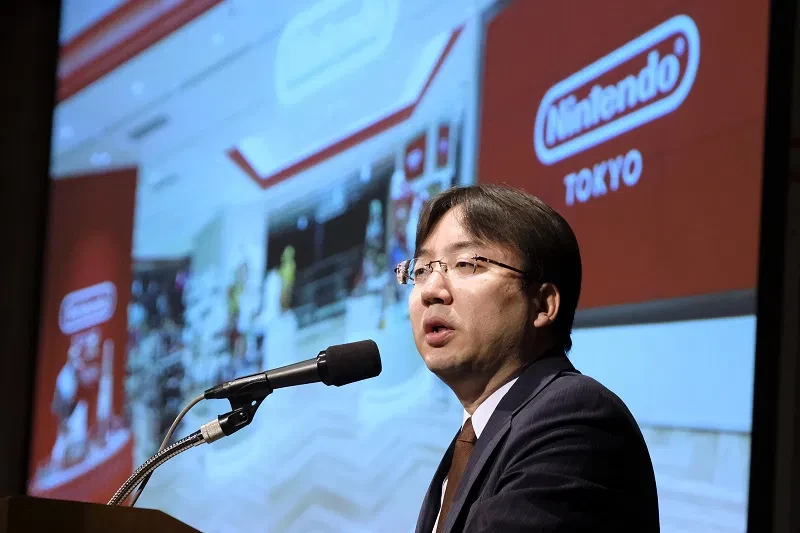
June 28, 2018—that's when Furukawa officially became president and CEO of Nintendo. He's inheriting a company that's riding high on Switch's success, but everyone's asking the same question: can he keep it going?
Turns out, yeah. He can.
By November 2025, Furukawa dropped some pretty insane numbers. The Nintendo Switch 2, which launched on June 5 that year, had already sold 10.36 million units in just four months. That's faster than any Nintendo console launch ever. Revenue jumped 110% to ¥1.1 trillion—that's about $7.2 billion—in six months. The company's projecting ¥2.25 trillion and 19 million console sales by March 2026.
Now let's talk about what the CEO of Nintendo actually makes. According to 2023 reports, Furukawa pulls in about $2.51 million a year. His total compensation package is around ¥263 million, which breaks down to roughly 30% base salary and 70% performance bonuses. So when Nintendo does well, he does well—but not crazy well by American CEO standards.
His net worth sits somewhere between $5-10 million. Yeah, you read that right. The guy running a $60 billion company has less money than a lot of Silicon Valley middle managers. That's just how Japanese corporate culture works. Furukawa owns only 0.001% of Nintendo's shares. He's not trying to get rich off stock options—he's focused on building the company for the long haul.
The CEO of Nintendo's Current Status and Earnings Power
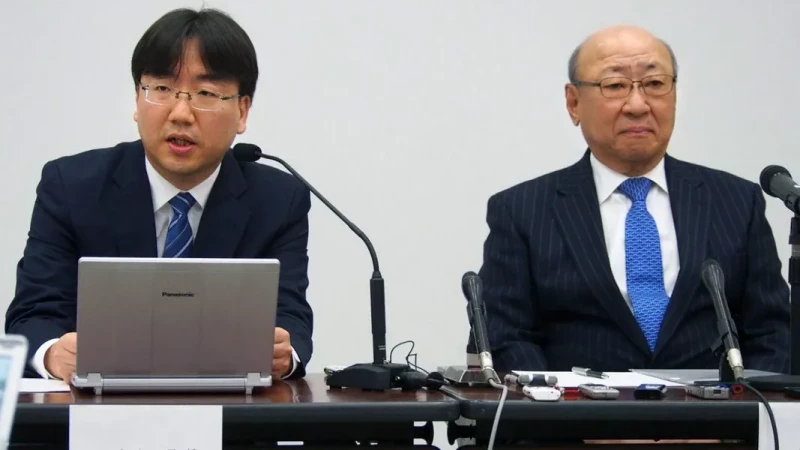
Right now, Furukawa's leading Nintendo through what might be its best era ever. The Switch has shipped more than 146 million units as of September 2025—that makes it the third bestselling game console in history, only behind the Nintendo DS and the all-time champion PlayStation 2. Games like "The Legend of Zelda: Tears of the Kingdom" sold 21 million copies. "The Super Mario Bros. Movie" made $1.36 billion at theaters. The company's just crushing it.
His yearly earnings of about $2.3-2.5 million put him at the top of Nintendo's pay scale, even ahead of legendary designer Shigeru Miyamoto who makes around $1.8-2.0 million. Yeah, these numbers sound small compared to American tech CEOs who pull in tens of millions, but that's the whole point. Furukawa lives in a regular house in Tokyo and drives a Lexus. Comfortable, but not flashy.
Looking ahead, Nintendo's future looks pretty solid. The Switch 2 is already off to a hot start. The company's building more theme parks with Universal Studios. They're making more movies and expanding into mobile games. As CEO of Nintendo, Furukawa's pay will keep following the same pattern—maybe hitting $3-4 million in really good years, but staying way below the $20-50 million packages you see with Western gaming executives. And honestly, he seems perfectly fine with that.
Core Success Principles from the CEO of Nintendo
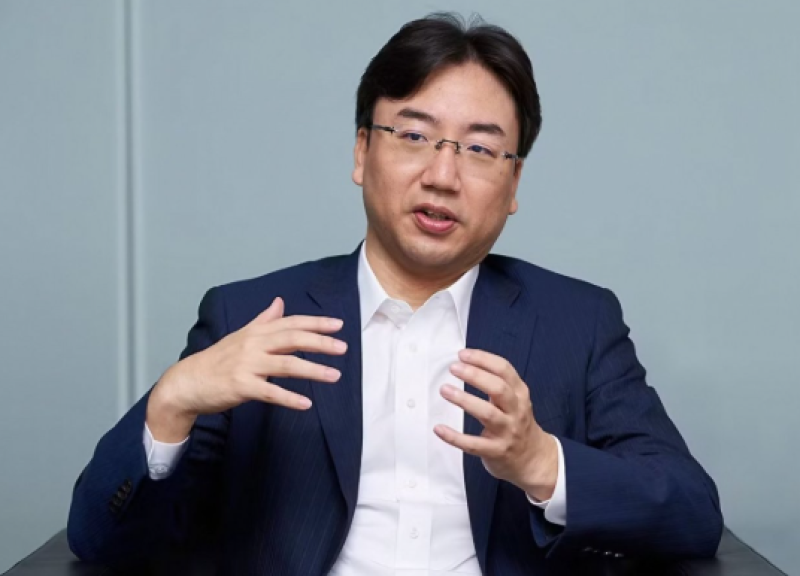
Furukawa's whole approach to running Nintendo is pretty fascinating because he's not your typical flashy CEO. His success comes from some really smart principles that he's shared over the years in interviews.
- Trust Your Creative Teams and Get Out of Their Way – This is huge for Furukawa. He says his decisions are based on "the development leader's way of thinking." He's not micromanaging game designers or telling artists how to do their jobs. In his own words: "Nintendo is Nintendo because of our games, characters and IP. So giving our teams the freedom to experiment with new ideas is something I strongly agree with. Expansion can't happen without the freedom to try something new." Simple as that.
- Steal Wisdom from Everyone Who Came Before – Here's something cool: Furukawa never even met Hiroshi Yamauchi, Nintendo's legendary president who ran the company for over 50 years. But he absorbed everything about the guy's philosophy through Satoru Iwata and Tatsumi Kimishima. There's this phrase he keeps repeating—"Entertainment is valuable because it's different to other things we do in life." Those are Yamauchi's words, and Furukawa made them his mantra. He knows Iwata's hands-on style "is not a style that anyone can imitate," so instead of trying to copy it, he focuses on "doing what you can do on your own, in your own way."
- Risk Isn't Failure, It's Education – Furukawa's said at conferences: "Not every project will succeed, but each effort teaches us invaluable lessons." This mindset is what let Nintendo take a massive gamble on the Switch's weird hybrid design after the Wii U flopped hard. They learned from that failure, took another risk, and created their biggest success in decades. Fear of screwing up shouldn't stop you from trying new things.
- Keep What Works, Change What Doesn't – Furukawa kept the group leadership system that was set up after Yamauchi retired. Both hardware and software developers sit on the management team. "The underlying idea of management is continuity," he explained in one interview. "However, after more than 30 years in the business of dedicated game consoles, there are naturally good points as well as bad points. As the times change, our management will make level-headed decisions, changing what needs to be changed." Know when to hold 'em, know when to fold 'em.
- Stay Humble and Let Others Shine – Unlike Iwata, who fans absolutely loved for his "Iwata Asks" interviews and Nintendo Direct presentations, Furukawa stays behind the scenes. He's happy to let people like Shinya Takahashi and Doug Bowser be the public faces. He gets that different leaders have different strengths, and his strength is strategic thinking, not being a showman.
The whole journey from Famicom-playing kid to CEO of Nintendo shows you don't need to be the loudest person or the most famous face to reach the top. Sometimes success comes from spending decades learning your business inside and out, trusting talented people around you, and knowing when to stick with tradition versus when to shake things up. His modest $10 million net worth and $2.5 million salary prove that in Japanese business culture, you measure success by how well your company does and how much joy it brings people—not by how many zeros are in your bank account.
 Peter Smith