Eseandre Mordi
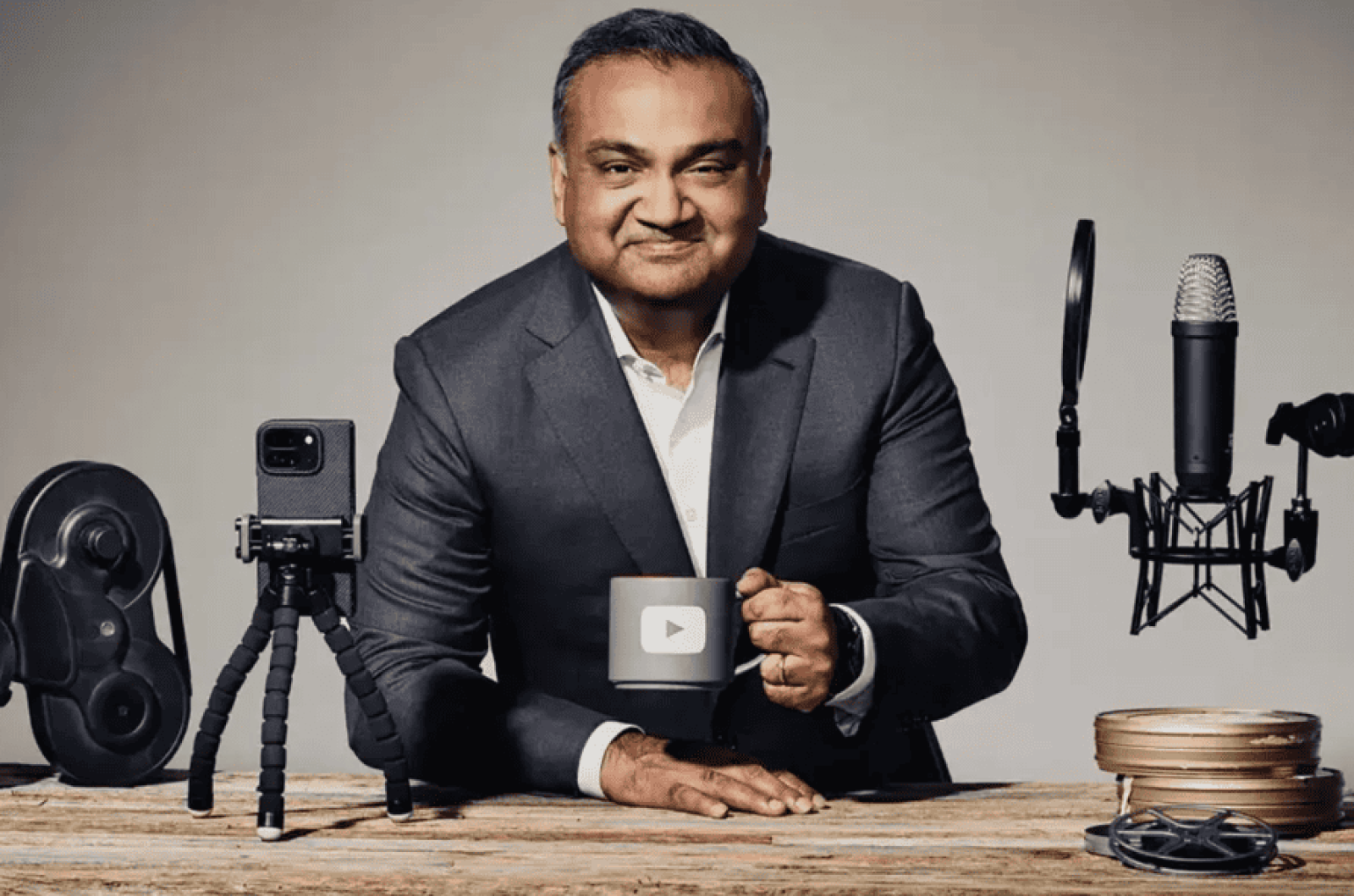
When you think about YouTube's boss, you probably imagine someone who was born into tech royalty or created some genius app in their dorm room. But Neal Mohan's story is way more interesting than that. This guy literally started at a boring consulting job, made some smart moves, got really good at digital advertising when nobody even knew what that was, and somehow ended up as the CEO of YouTube with a net worth sitting pretty at $155 million.
His path wasn't some overnight success story. It took years of grinding, learning when to jump ship, and being in the right place at exactly the right time. From his first real job after college to leading a platform that basically owns your living room TV now, Mohan's journey shows you don't need to be a flashy founder or a tech prodigy to make it massive in Silicon Valley. You just need to be smart about your moves and know your stuff better than everyone else.
The CEO of YouTube's Humble Beginnings: First Jobs and Early Money
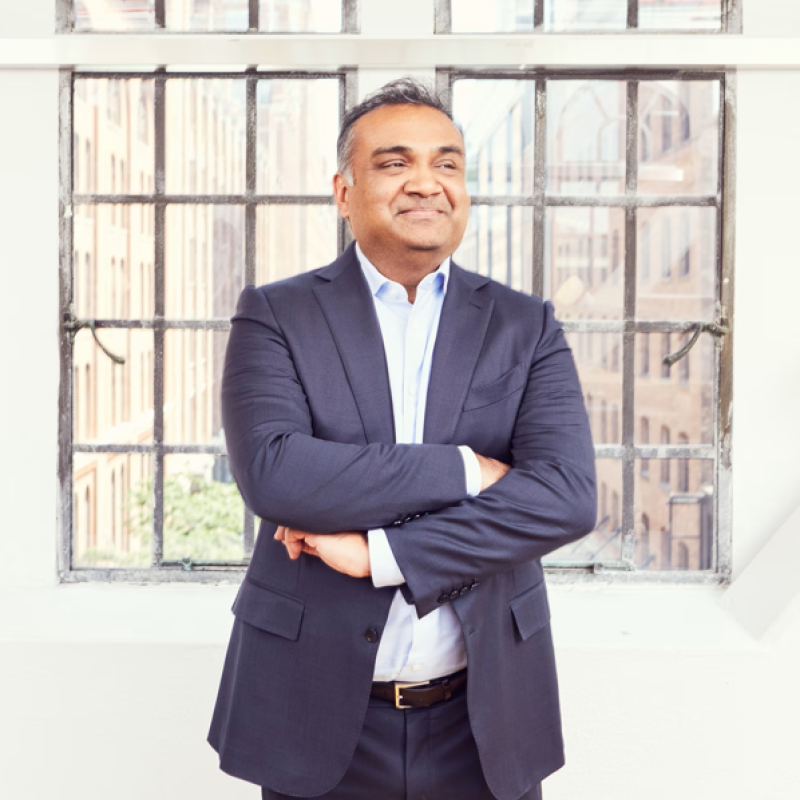
So picture this: it's 1996, and fresh out of Stanford with an electrical engineering degree, Mohan gets his first real job at Accenture. Not exactly the sexy Silicon Valley startup life everyone dreams about, right? It was straight-up corporate consulting work - the kind where you wear a suit and make PowerPoint presentations. But here's the thing - it taught him how to think strategically and solve actual business problems, which turned out to be way more valuable than he realized at the time.
The guy only lasted about a year there though. In 1997, he did something that seemed pretty risky back then - he ditched the stable consulting gig and joined this startup called NetGravity. We're talking peak dot-com bubble craziness here. Everyone and their mom was launching internet companies, and Mohan jumped right into the chaos. He later said it was "an incredibly frothy time in terms of new technologies, incredibly exciting time to be in Silicon Valley." At NetGravity, he wasn't just pushing papers anymore - he was actually learning how online advertising worked from the ground up. Nobody knew it yet, but this was going to be the skill that would eventually make him filthy rich.
How the CEO of YouTube Climbed the Corporate Ladder
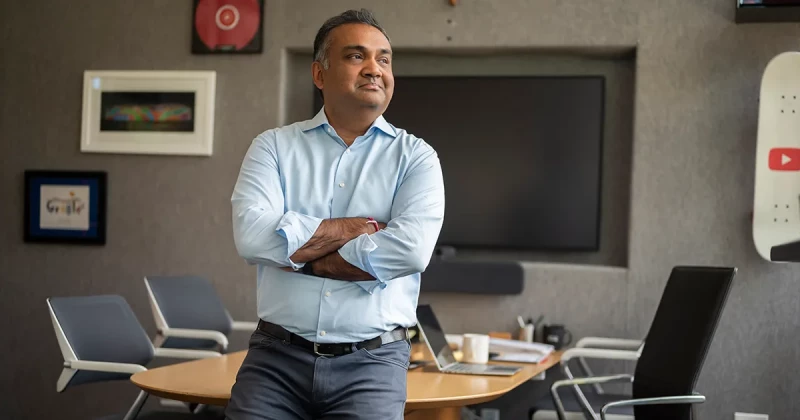
Here's where things get interesting. DoubleClick bought NetGravity in 1997, and Mohan packed his bags and moved from sunny California to New York to work at their headquarters. This is when his career really started cooking. He wasn't some junior guy anymore - he was getting deep into the company's operations, especially when the dot-com bubble popped and everyone was freaking out. While other people were losing their jobs left and right, Mohan was the guy they called to help cut costs and keep the ship afloat. That's how you become a vice president, folks.
Fast forward to 2003, and Mohan decides to go back to Stanford for his MBA. Smart move because when he came back to DoubleClick in 2005, he wasn't just another employee - he was brought back with a specific mission. The company was kind of a mess at that point, and he teamed up with the CEO David Rosenblatt to basically save it. They put together this insane 400-slide presentation that laid out how to turn the whole company around. People who've seen that presentation say it still influences how Google runs its business today. That's the kind of work that gets you noticed.
Now here comes the money shot. In 2007, Google bought DoubleClick for $3.1 billion. Yeah, billion with a B. Mohan came along as part of the package deal, and suddenly he's working at Google running their display and video advertising business - which is basically where all Google's money comes from. He was in charge of massive products like AdWords, DoubleClick, and Google Analytics. These weren't just apps - these were money-printing machines.
During his time at Google, nobody knows exactly what he was making, but we got one pretty crazy hint about his value. Around 2011 or so, Twitter tried to poach him with a big offer. Google's response? They threw about $100 million in stock at him just to convince him to stay. Let me repeat that - $100 million just as a retention bonus. That's not salary, not regular compensation - that's just "please don't leave us" money. Silicon Valley insiders called it one of the biggest retention packages they'd ever seen.
When the YouTube CEO Reached His Peak
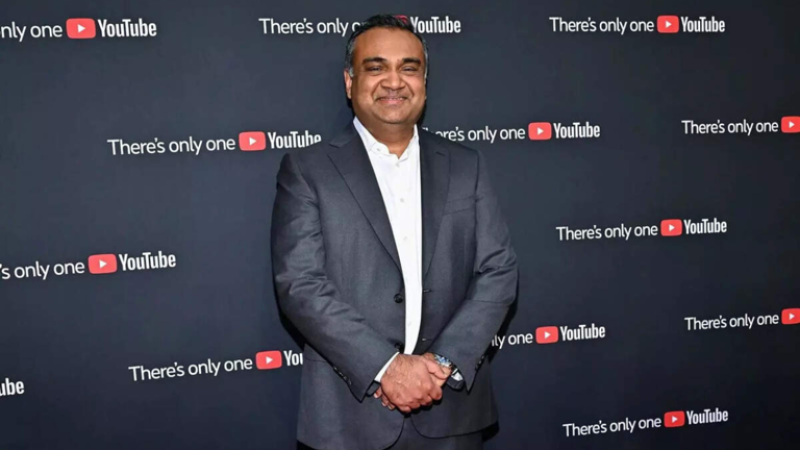
In 2015, Mohan made another bold move - he left Google's advertising division and jumped over to YouTube as their Chief Product Officer. This was under Susan Wojcicki, who basically became his mentor and taught him everything about running YouTube. During his time as CPO, Mohan wasn't sitting around - he was launching some seriously big products. YouTube TV? That was him. YouTube Music? Him again. YouTube Premium, YouTube Shorts (which was basically YouTube's answer to TikTok and now gets over 50 billion views every day)? Yep, all Mohan.
But the real peak - the absolute top of the mountain - happened on February 16, 2023. Wojcicki stepped down as CEO, and guess who took over? That's right, Neal Mohan became the big boss of YouTube. This wasn't just some fancy new title on a business card. This was a massive upgrade in every way, especially financially. Based on what Wojcicki was making before him, analysts figure Mohan is now pulling in at least $374,829 per month. That's roughly ₹3.1 crore every single month, which breaks down to about ₹10 lakh per day. And that's before bonuses and stock options.
His first couple years as CEO of YouTube have been absolutely wild. Under his watch, YouTube announced they've paid out over $70 billion to creators, artists, and media companies in just three years. The YouTube Partner Program has grown to over 3 million channels - that's up from 2 million just two years earlier. YouTube TV now has 8 million subscribers, YouTube Music hit 100 million users, and get this - people are watching over 1 billion hours of YouTube content on their actual TV screens every single day. The platform basically owns your living room now.
YouTube's dominating the streaming game too. For 11 months straight, it was the number one streaming platform in the U.S. by watch time. That's not just beating other video apps - that's beating Netflix, Hulu, everything. And all of this is happening while Mohan's at the wheel.
Current Net Worth and Earnings of the YouTube CEO
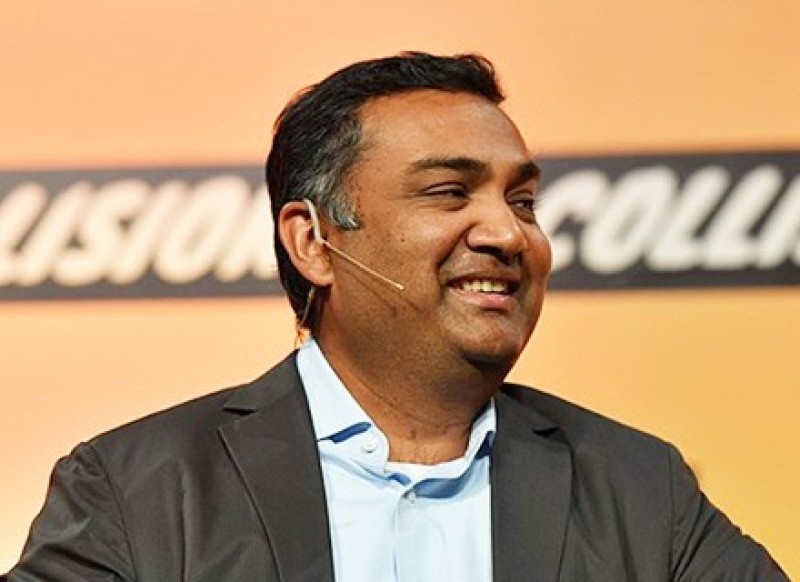
So how much is this guy actually worth right now? Different sources say different things, but most estimates put Neal Mohan's net worth somewhere between $150 million and $155 million as of 2025. Not too shabby, right?
Here's where all that money comes from. First, there's his monthly CEO salary of about $3.1 crore. Then you've got all the stock options he's accumulated over the years from both Google and Alphabet. He's also got equity in other companies like Stitch Fix and 23andMe where he sits on their boards. And let's not forget that legendary $100 million retention bonus from way back when - even if a chunk of that got eaten by taxes, it's still a massive pile of money.
But here's what makes Mohan's paycheck really interesting - it's not just about the base salary. He gets performance bonuses that are tied directly to how well YouTube does. And considering YouTube pulled in roughly $40 billion in revenue in 2023 and keeps growing, those bonuses are probably adding millions more to what he takes home every year.
The CEO of YouTube also gets long-term stock awards. When you're running a platform that just announced 100 million premium subscribers and dominated U.S. streaming for almost a whole year straight, those stock values tend to go up pretty nicely. It's the kind of setup where the better YouTube does, the richer Mohan gets. Which honestly makes sense - his success is tied to the company's success.
Core Success Principles from YouTube's Leader
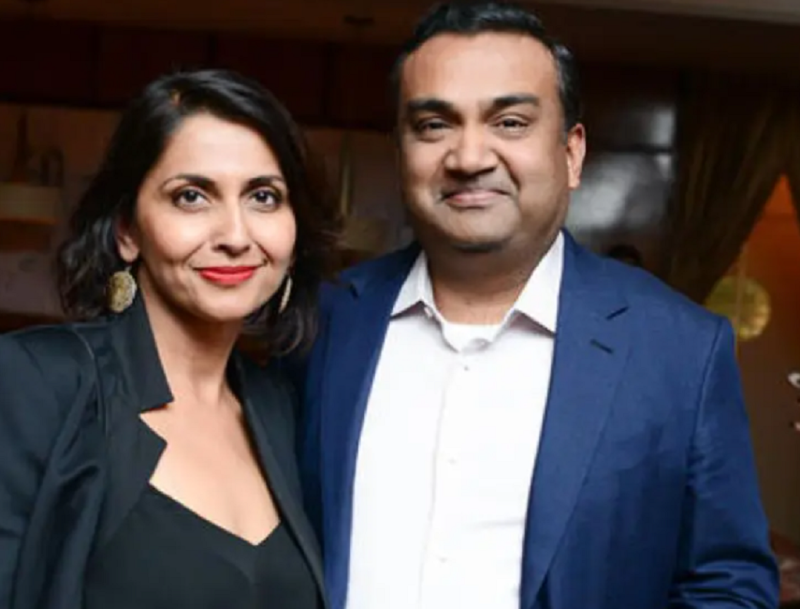
So how did a kid from Indiana who spent his teenage years in India end up running the world's most powerful video platform? Mohan has been surprisingly candid about sharing his philosophy on success. Here are his main ideas for becoming successful:
- Be True to Yourself: This is Mohan's number one piece of advice, and he wishes someone had told him earlier in his career. "The secret sauce of being a successful creator on the platform is just being true to yourself," he said at a Stanford event. "I wish somebody had given me that advice early in my career, because nothing rings more true." He believes people can instantly tell when you're being authentic versus when you're faking it—whether you're making YouTube videos or leading a team.
- Set Your Own Course: Mohan advises young professionals to resist the temptation to blindly follow someone else's path. Instead of obsessing over landing the "perfect" job by 25 or copying your boss's career trajectory, he suggests taking inventory of your own abilities and goals. "Think really hard about setting your own course longer term," he said. "Just try to really answer the question: How is this going to be truly about what I want as opposed to what other people's expectations are of me?"
- Embrace Change and Adapt: Growing up, Mohan moved from Michigan to India during his teenage years, then back to the U.S. for college. That experience taught him to "lean into change" rather than resist it. "The entire dynamics of the entire media industry are changing before our eyes," he told TIME magazine. "It's incredibly disruptive, and if you don't adapt, you can be left by the wayside." This philosophy has served him well in the fast-moving tech industry.
- Focus on Long-Term Impact Over Short-Term Wins: As the CEO of YouTube, Mohan consistently emphasizes building sustainable growth that benefits creators, users, and society rather than chasing quarterly profits. "Success is not just about achieving financial goals or personal milestones," he explained in a Fortune interview. "It is also about making a difference in the world. I am passionate about using technology to solve real-world problems and to create a better future for all."
- Empower Others Rather Than Control: Mohan's leadership philosophy centers on enabling teams to do their best work rather than micromanaging. He believes effective leadership is about creating a culture of innovation, empowering others, and leading by example. When he works with board members, he follows through diligently on commitments and understands his unique contribution to the team—lessons that apply whether you're leading a company or contributing as a team member.
- Master the Art of Preparation: NFL Commissioner Roger Goodell, who negotiated YouTube's $2 billion deal for NFL Sunday Ticket with Mohan, praised his preparation. "I would say Neal is very well prepared," Goodell told TIME. "He understands what he's trying to build." Mohan is known for diving deep into the details of any issue, really understanding it before making decisions—a trait that's helped him negotiate billion-dollar deals and navigate complex policy decisions.
- Stay Focused on Your Mission: In an era when tech CEOs are branching into Brazilian jiujitsu competitions or attempting to dismantle government agencies, Mohan has remained laser-focused on YouTube. "He just runs YouTube," TIME magazine observed. That singular focus—combined with his "surprisingly mellow" demeanor—has proven to be his superpower in the chaotic world of social media.
Neal Mohan's journey from earning his first paycheck at Accenture to commanding a monthly salary of ₹3.1 crore as YouTube's CEO shows that success in tech isn't always about being the loudest voice in the room or the flashiest founder. Sometimes it's about being the person who understands digital advertising better than anyone else, who builds the right relationships at the right time, and who knows when to make a strategic career jump—even if it means leaving a $100 million retention bonus on the table to bet on yourself at the next level.
For the CEO of YouTube, that bet paid off in a massive way. And his story proves you don't need to be born into tech royalty or create the next big app in your dorm room to make it huge. Sometimes you just need to be the person who knows their stuff better than anyone else and isn't afraid to make bold moves when the opportunity shows up.
 Eseandre Mordi