Usman Salis
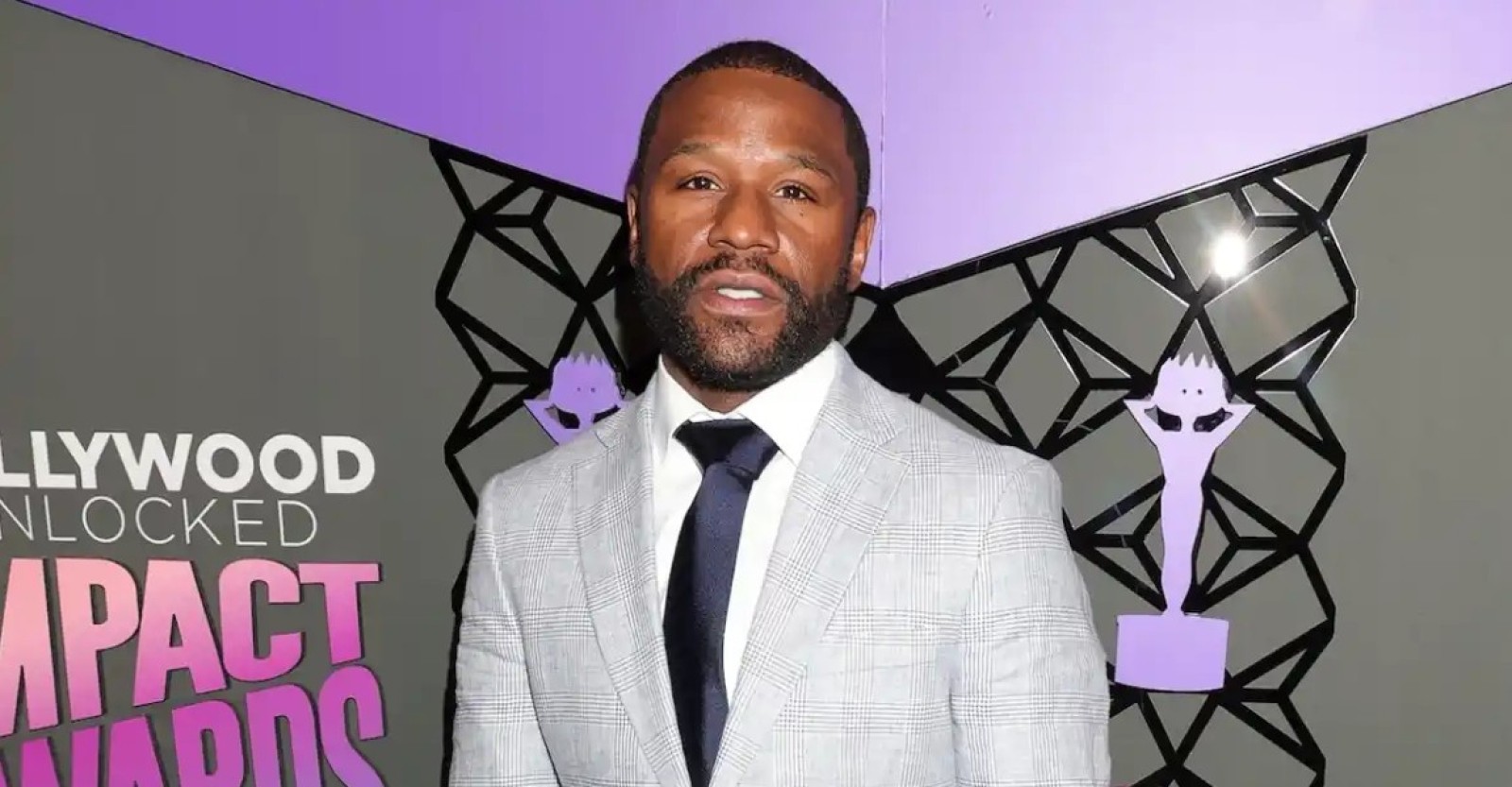
When Floyd Mayweather calls himself "Money," he's not just bragging—he's stating facts. The guy turned boxing into his personal ATM, walking away from the sport with a perfect record and a bank account that would make most CEOs jealous. But here's the thing: Floyd didn't just punch his way to $400 million. He outsmarted the system, became his own boss, and built an empire that keeps printing money even when he's not fighting. Let's break down how a kid from Grand Rapids became one of the richest athletes on the planet.
The Humble Beginnings: Floyd Mayweather's First Paychecks
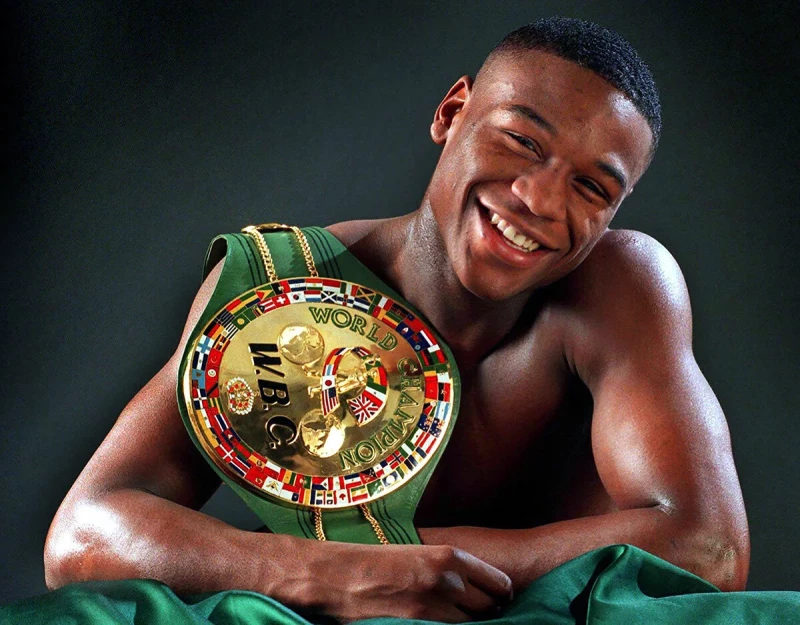
Floyd didn't grow up rich—far from it. Born in 1977 in Grand Rapids, Michigan, he practically lived in boxing gyms because his dad and uncles were all fighters. His first real "job" was training, and man, did he work. At seven years old, while other kids were playing video games, Floyd was learning how to slip punches and work the speed bag.
His first taste of serious money came after winning bronze at the 1996 Olympics in Atlanta. Sure, Olympic fighters didn't get paid much back then, but that medal was Floyd's golden ticket to turn pro. His first professional fights in 1996? He was making around ten grand per bout. Not exactly "Money" Mayweather yet, but it was a start. Those early paychecks taught him something crucial—if he wanted real wealth, he'd have to become more than just a good fighter.
Climbing the Ladder: How Floyd Mayweather Net Worth Started Growing
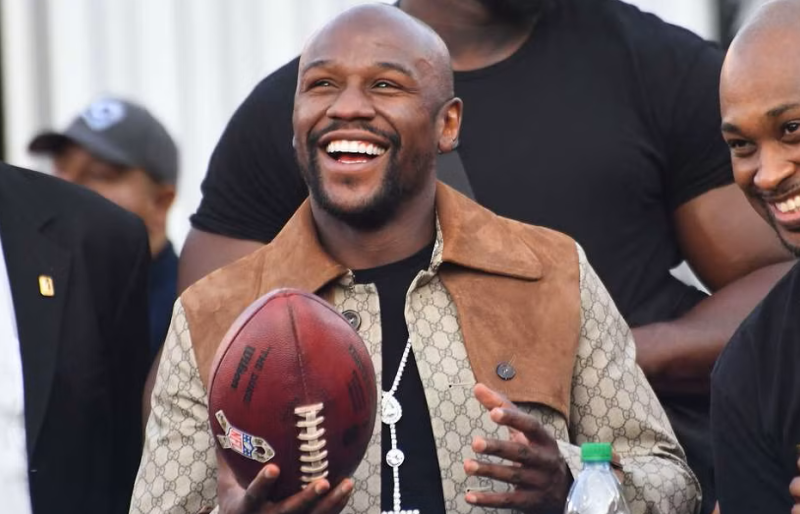
Floyd's career wasn't an overnight success story—it was a carefully planned climb to the top. From 1996 to 2000, he was grinding, making anywhere from ten thousand to two hundred thousand per fight. Good money for most people, but Floyd had bigger dreams. He was stacking wins and titles, moving up weight classes like he was collecting trading cards.
The mid-2000s is when things got interesting. By then, Floyd had multiple world titles and his purses jumped to three to eight million per fight. But the real game-changer? That 2007 fight against Oscar De La Hoya. Floyd walked away with twenty-five million dollars, and suddenly everyone knew his name. That's when "Pretty Boy Floyd" officially became "Money Mayweather."
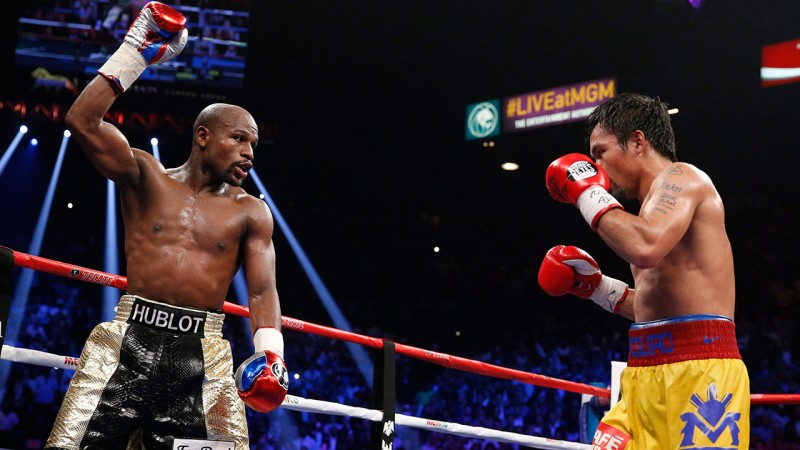
Then came the crazy years. His 2013 fight with Canelo Álvarez brought in forty-one and a half million. The 2015 Pacquiao fight? Floyd made a quarter of a billion dollars for one night's work. Let that sink in—two hundred and fifty million dollars. And just when people thought he was done, he came back in 2017 to box Conor McGregor and pocketed another two hundred and seventy-five million. Floyd Mayweather net worth wasn't just growing—it was exploding.
The Peak Years: When Floyd Mayweather Net Worth Hit the Ceiling
Between 2015 and 2018, Floyd was basically a money-printing machine. Forbes kept putting him at the top of their highest-paid athletes list. In 2015 alone, he made three hundred million dollars. In 2018? Two hundred and eighty-five million. These weren't just good years—these were historic.
But here's what made Floyd different from every other boxer: he figured out the business side. Most fighters sign with promoters who take a massive cut. Not Floyd. He started Mayweather Promotions and became his own boss. That meant he kept most of the ticket sales, pay-per-view money, and sponsorship deals. He wasn't just fighting—he was running a business empire with himself as the main product. The "Money" persona wasn't an act; it was a marketing strategy. Every Instagram post with stacks of cash, every Rolls Royce, every flashy watch—it all drove up interest in his fights. People tuned in whether they loved him or hated him, and Floyd got paid either way.
Where Floyd Stands Today: Current Earnings and Income
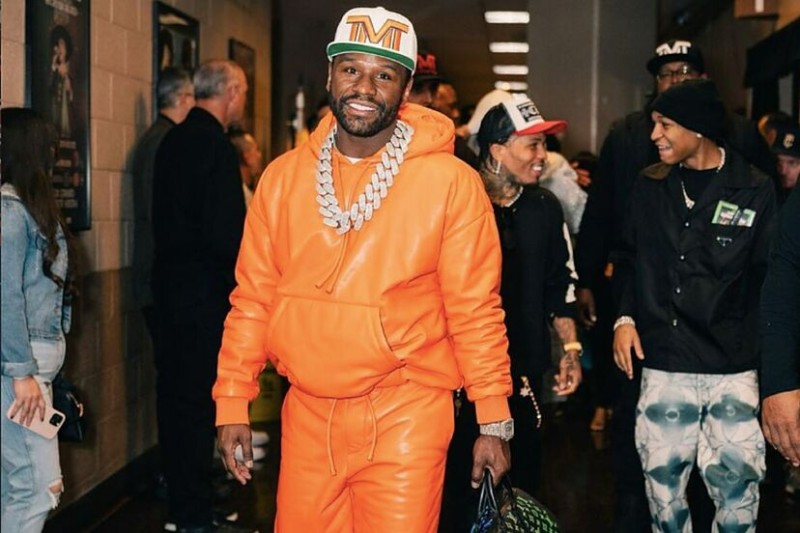
Right now, Floyd Mayweather net worth sits around four hundred million dollars. Some people say he's earned over a billion throughout his career, though a lot of that went to his lifestyle and taxes. The man doesn't exactly live modestly.
Even though he "retired" in 2017, Floyd still fights—just not competitively. He does exhibition matches that pay insane money for minimal work. In 2018, he fought a Japanese kickboxer named Tenshin Nasukawa and made nine million dollars for less than three minutes in the ring. That's three million per minute if you're doing the math.
These days, his money comes from multiple sources. Mayweather Promotions manages about twenty fighters and brings in steady cash. He owns a strip club called Girl Collection in Las Vegas. His real estate portfolio, especially in Vegas, is worth tens of millions. And whenever he feels like it, he can do another exhibition and collect ten to twenty million for a night's work. The guy's basically figured out how to get paid without really fighting anymore. That's the ultimate boss move.
Floyd's Success Principles: The "Money" Mindset
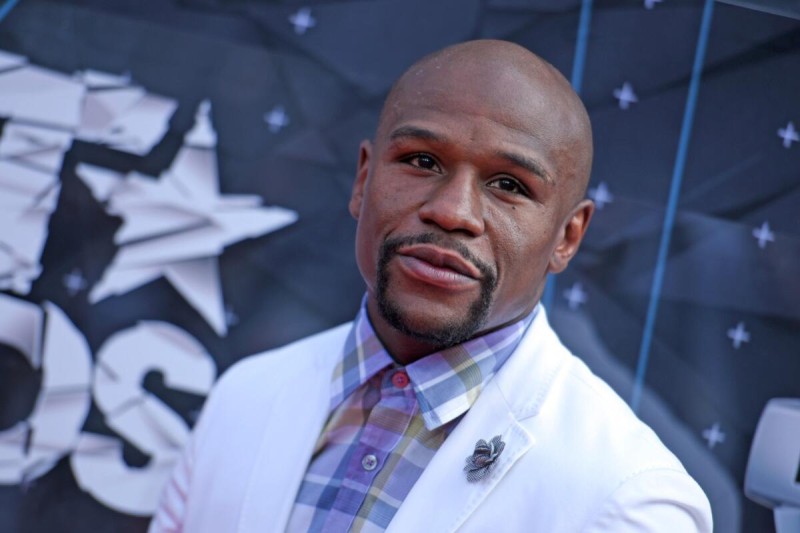
Floyd's pretty open about how he built his empire, and honestly, his advice is solid even if you're not a boxer.
First up—own your stuff. Floyd says the best decision he ever made was becoming his own promoter. "When you work for yourself, you keep all the money," he's always saying. And he's right. Once he cut out the middleman, his earnings went through the roof.
Second—be the best at what you do. Despite all the flash and trash talk, Floyd is obsessive about training. He's famous for hitting the gym at midnight when everyone else is sleeping. "Hard work beats talent when talent doesn't work hard" is basically his motto. The guy was already naturally gifted, but he trained like he had something to prove every single day.
Third—bet on yourself. Floyd literally does this with sports betting, but it's also his life philosophy. He took risks that other fighters wouldn't, like demanding bigger purses and better contracts. Sometimes you gotta believe in yourself even when nobody else does.
Fourth—make them pay attention. This is controversial, but Floyd figured out that people would pay to watch him whether they loved or hated him. "They can boo me all they want, but they're buying tickets," he'd say. He turned being polarizing into a business model. Not everyone can pull this off, but Floyd made it work.
Finally—protect your assets. Yeah, Floyd spends big on cars and jewelry, but he's also smart about real estate and investments. He's got passive income streams that keep money flowing even when he's not working. That's the difference between being rich for a moment and building lasting wealth.
 Usman Salis