Eseandre Mordi
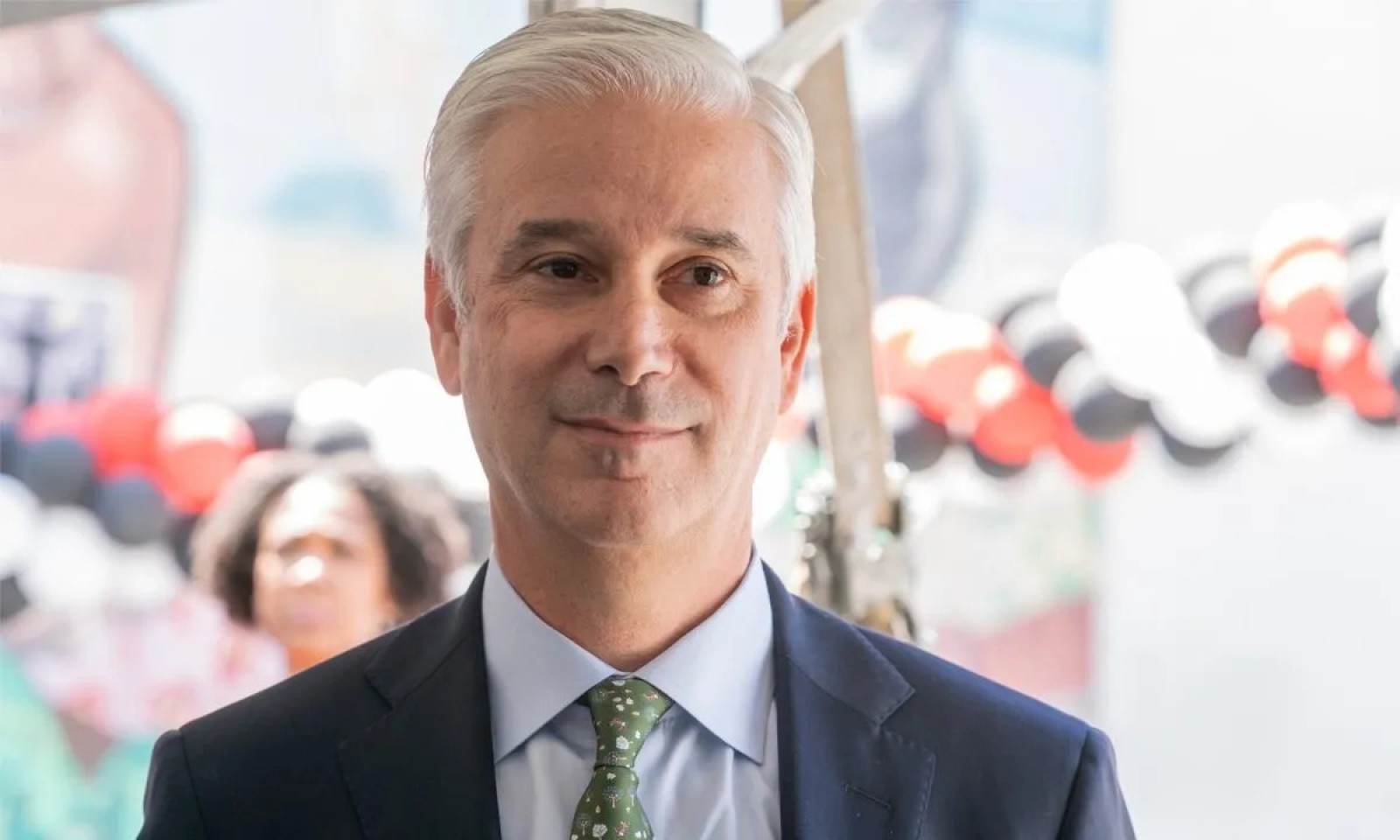
Charles Scharf didn't start at the top. Like most people in finance, he worked his way up from an entry-level position to become one of the most powerful bankers in America. His story shows how patience, smart career moves, and learning from the right people can lead to serious wealth and influence in the banking world.
Early Career: How the CEO of Wells Fargo Started Earning
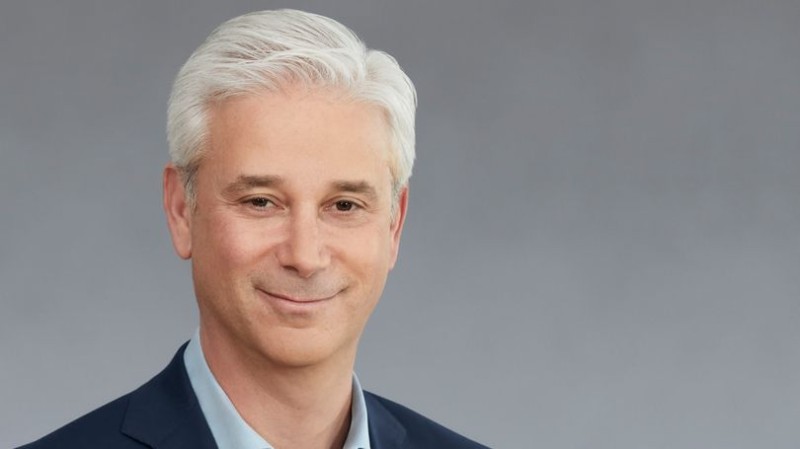
Charles Scharf got his first real paycheck in finance right after graduating from Johns Hopkins University in 1986 with an economics degree. He landed a job at Commercial Credit Company in Baltimore, working under Jamie Dimon, who would become one of banking's biggest names. Back then, Scharf was making around $35,000 to $40,000 a year, which was pretty standard for a financial analyst in the mid-1980s.
That first job wasn't glamorous, but it gave him something more valuable than a big salary. He learned how banks actually work from the inside, understanding risk management, dealing with customers, and figuring out how to run operations efficiently. When Commercial Credit merged to form Travelers Group, Scharf stuck with Dimon and kept learning everything he could about the business.
Rising Through the Ranks: The Path to CEO of Wells Fargo
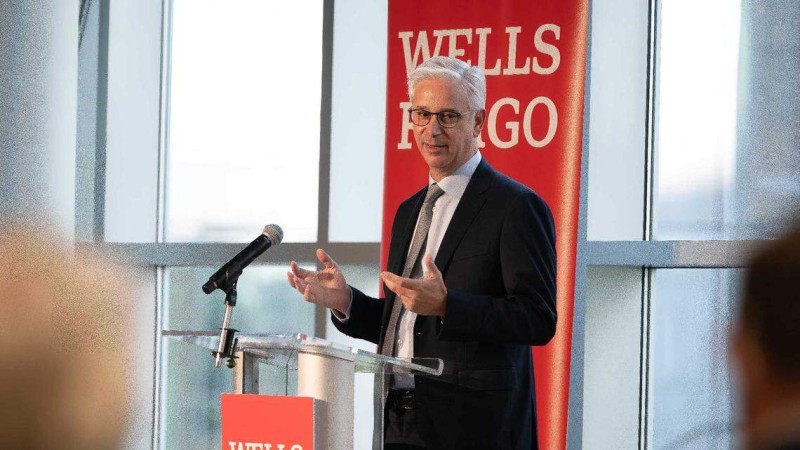
Scharf's career really took off when he followed Dimon to JPMorgan Chase in 2000. He kept moving up the ladder there, eventually running the entire Retail Financial Services division. By this point, his paycheck had grown quite a bit, pulling in several million dollars a year. In the mid-2010s, he was earning somewhere between $5 and $7 million annually when you added up his salary, bonuses, and stock options.
People in banking circles started noticing his talent for fixing operational problems and managing huge teams. That reputation landed him the CEO job at Visa in 2012, then at Bank of New York Mellon in 2017. At BNY Mellon, his total compensation hit around $16 to $18 million a year. Each of these jobs taught him something different about financial technology, staying compliant with regulations, and running massive banking operations.
When Wells Fargo needed someone to clean up their mess and rebuild trust with customers and regulators, Scharf was the obvious choice. He had the experience, the track record, and the credibility to tackle one of banking's toughest turnaround jobs.
Peak Success: Current Wealth and Earnings as CEO of Wells Fargo
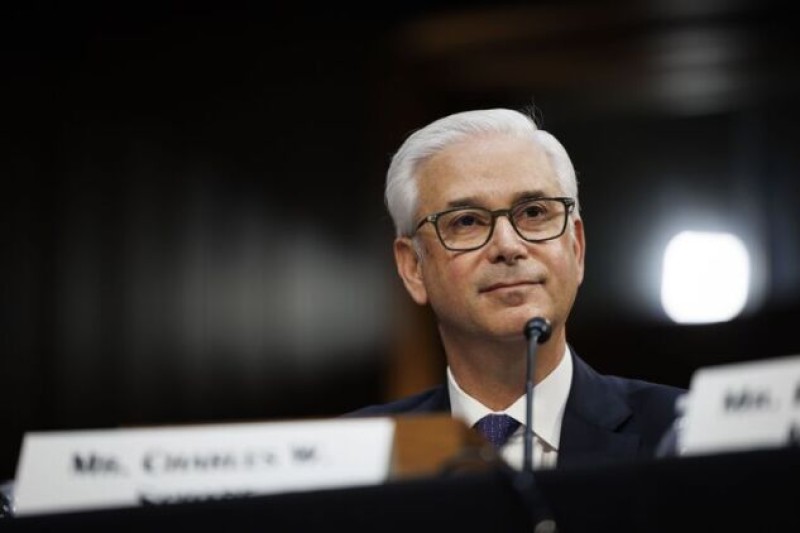
Charles Scharf hit his career peak when he took over as CEO of Wells Fargo in October 2019. Running one of America's Big Four banks comes with serious compensation. In 2023, Scharf pulled in $24.5 million in total pay. That breaks down to a $2.5 million base salary, plus performance bonuses and a bunch of stock awards that depend on how well the bank does.
Wells Fargo doesn't publicly share exactly how much Scharf is worth, but people who analyze this stuff estimate he's sitting on somewhere between $50 and $80 million. That's money he's built up over decades through stock options, bonuses, and smart investments. His wealth has grown a lot since taking the Wells Fargo job, especially as the bank's stock price has bounced back under his leadership.
He owns millions of dollars worth of Wells Fargo stock, which means his personal finances rise and fall with the company's performance. That's actually by design because it keeps him focused on long-term success rather than short-term tricks that might boost his bonus but hurt the bank later.
Since Scharf took over, Wells Fargo has been working through regulatory problems left over from past scandals, cutting costs, and upgrading outdated technology. It's been slow going, but investors are starting to feel better about the bank's direction.
Key Leadership Principles: How the CEO of Wells Fargo Defines Success
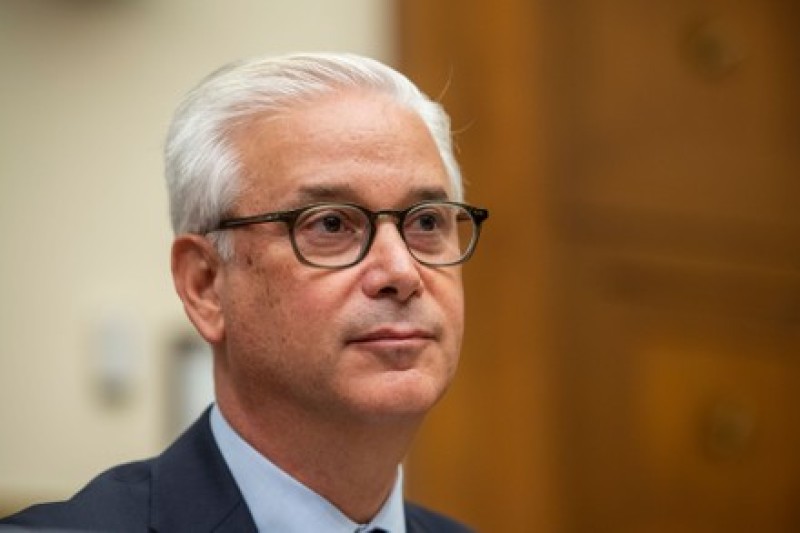
Over his career, Charles Scharf has talked a lot about what actually makes leaders successful in banking. Here's what he thinks matters most:
- Build strong foundations first. Scharf keeps saying that real success comes from getting the boring stuff right, like risk management, compliance, and customer service. He thinks too many executives chase quick profits and end up creating disasters down the road. Better to build something solid that lasts.
- Embrace technology or get left behind. After running Visa during the digital payment revolution, Scharf became a huge believer in technology. He's constantly pushing the idea that traditional banks need to think like tech companies that happen to offer banking services. Otherwise, some startup is going to eat their lunch.
- Own your mistakes. This one's personal for Scharf because he inherited a bank with a terrible reputation from fake account scandals. He's made accountability his thing, believing successful leaders admit when things go wrong, communicate honestly with everyone involved, and build workplaces where doing the right thing matters more than hitting sales targets.
- Think years ahead, not quarters. Wall Street obsesses over three-month results, but Scharf argues that's backward. He says real leaders make decisions based on where they want to be in five or ten years. At Wells Fargo, he's changed how people get bonuses so they're rewarded for sustainable growth instead of short-term spikes that create future problems.
- Invest in your people. Scharf gives a lot of credit to mentors like Jamie Dimon for his success. He thinks developing talented employees is one of the smartest things a company can do. He'd rather have a deep bench of capable leaders than rely on a few superstars who might leave or burn out.
The Road Ahead for Wells Fargo's Leadership
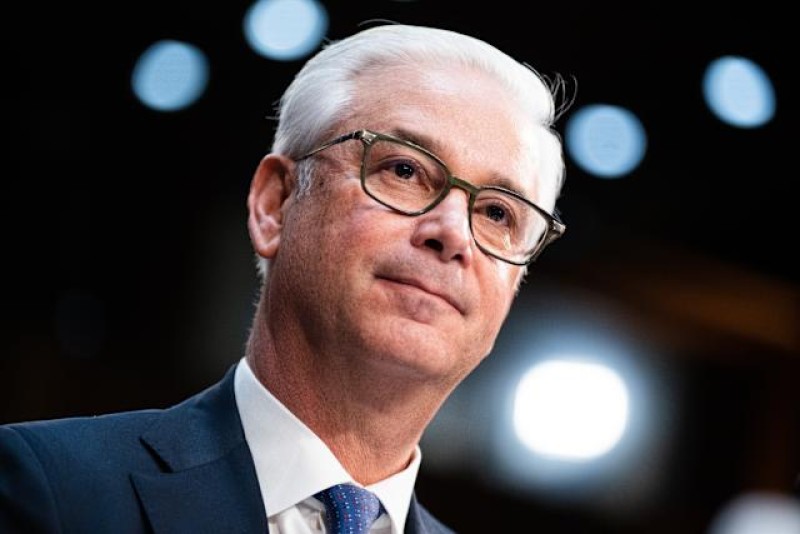
Charles Scharf's future wealth and reputation are tied directly to whether Wells Fargo can fully shake off its regulatory problems and compete with powerhouses like JPMorgan Chase and Bank of America. If he pulls it off, his legacy in banking will be set, and his net worth will probably grow quite a bit more.
His path from a $40,000-a-year analyst to a CEO making over $24 million shows what's possible in financial services if you make smart moves, learn from experienced people, and stick to solid principles for decades. It's not a quick path, but for those willing to put in the time, the rewards at the top of banking are pretty substantial.
 Eseandre Mordi