Sergey Diakov
- Early Days: When Spiegel Started Making Real Money
- Skipping the Normal Path: Creating His Own First Job
- The Climb: Building Snapchat Into a Monster
- Peak Performance: When the CEO of Snapchat Hit Maximum Wealth
- Where He Stands Now: Current Wealth and Earnings
- Success Principles: What the CEO of Snapchat Says About Making It
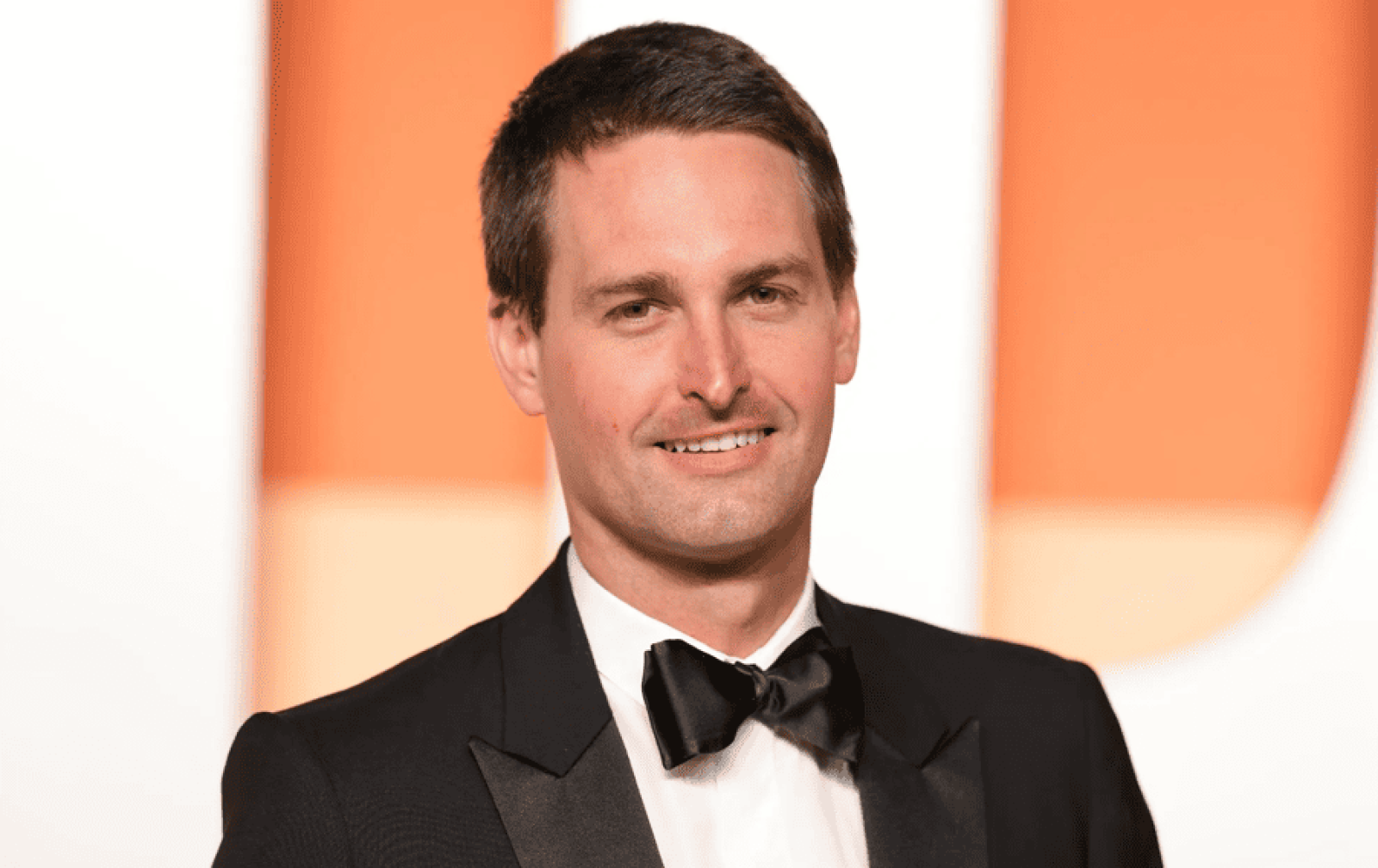
Evan Spiegel's story sounds like one of those crazy Silicon Valley myths, except it actually happened. The guy dropped out of Stanford just months before graduation, turned down $3 billion from Mark Zuckerberg, and bet everything on an app that made photos disappear. Most people thought he was insane. Turns out, he was just playing a different game than everyone else.
Early Days: When Spiegel Started Making Real Money

Spiegel wasn't broke growing up in Pacific Palisades, California, but he wasn't swimming in family billions either. His first taste of earning came during high school when he worked as a Red Bull intern, basically selling energy drinks to other students and hyping up events. Not exactly groundbreaking, but it taught him how to sell and hustle.
The real money story starts at Stanford in 2011. Spiegel was studying product design when he and his buddies Bobby Murphy and Reggie Brown started messing around with an idea for disappearing photos. They called it Picaboo at first, which honestly sounds terrible. By July 2011, they had something working. No money coming in yet, but Spiegel could see where this was heading.
Skipping the Normal Path: Creating His Own First Job
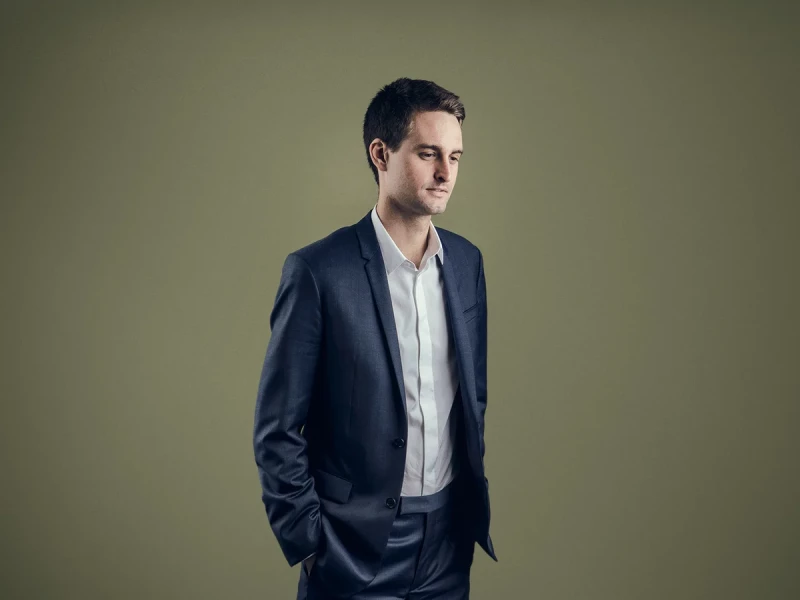
Here's where most Stanford grads would polish their resume and interview at Google. Spiegel did the opposite. He bailed on his senior year—literally months away from his degree—to work on Snapchat full-time. His parents freaked out, which makes sense. But Spiegel wasn't interested in a normal tech job making $120K at some established company.
Instead, the CEO of Snapchat basically invented his own position by co-founding the company in 2012 with Murphy. They crashed at Spiegel's dad's house in LA, living that stereotypical startup life of ramen noodles and 18-hour days. Their first real payday came later that year when Lightspeed Venture Partners threw $485,000 their way. Most of it went straight back into building the app, but hey, it was something.
The Climb: Building Snapchat Into a Monster

Things moved fast. By early 2013, people were sending 60 million photos daily on Snapchat. That's when Zuckerberg came knocking with a $3 billion offer. Spiegel was 23 years old, and everyone expected him to take the money and run. He said no. People legitimately questioned his sanity.
During those growth years, Spiegel wasn't pulling some insane CEO salary. Word is he made around $500K annually, which sounds like a lot until you realize he could've cashed out for billions already. He was playing the long game, adding features like Stories that completely changed how social media worked. By 2014, Snapchat was valued at $10 billion after another funding round.
The massive payday hit in March 2017 when Snap Inc. went public. The IPO valued the company at $24 billion, and Spiegel owned enough of it to become a billionaire at 26. His compensation package that year came in around $638 million, making him one of the highest-paid execs in the country. Not bad for a college dropout.
Peak Performance: When the CEO of Snapchat Hit Maximum Wealth
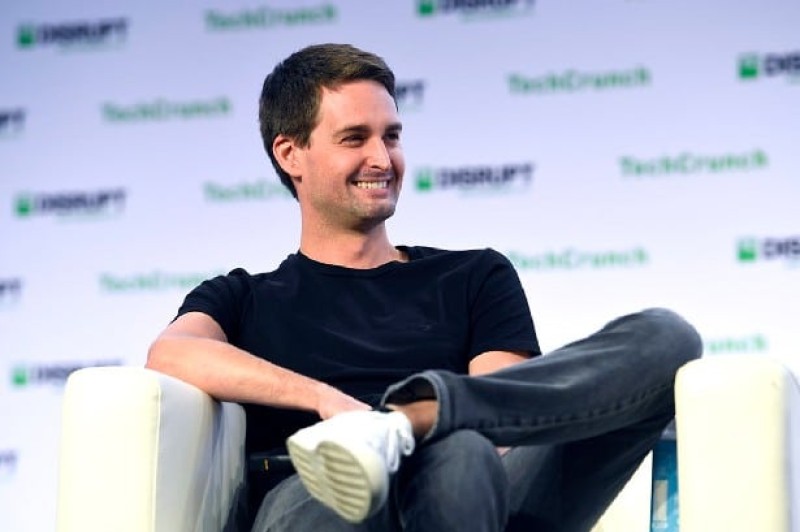
Spiegel's net worth peaked in early 2021 during the pandemic when everyone was glued to their phones. Snap's stock went crazy, and his personal fortune hit roughly $13.8 billion. For a brief moment, Snap's market cap crossed $100 billion, which meant that Facebook rejection was looking pretty smart in retrospect.
During this stretch, Spiegel was earning around $1.8 million in straight salary plus stock options worth hundreds of millions. Snapchat had over 280 million people using it every single day, and advertisers were desperate to reach that young audience. The company rolled out Spectacles, those camera glasses that were kind of ahead of their time, and kept innovating while Instagram and others tried copying everything they did.
Where He Stands Now: Current Wealth and Earnings
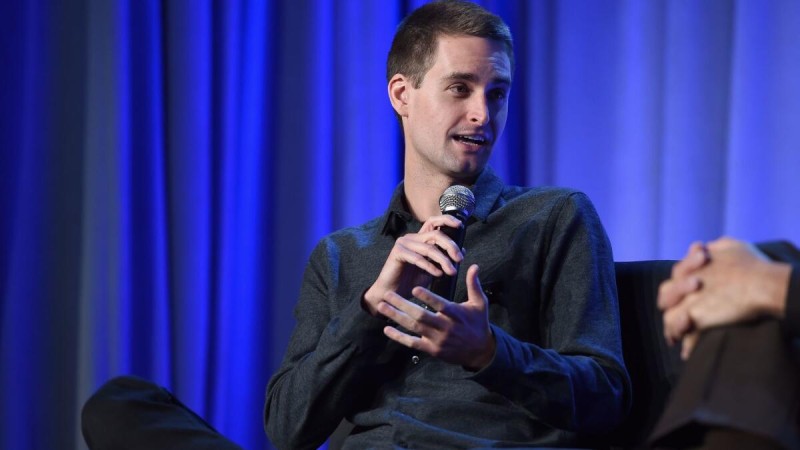
Today, Spiegel's net worth bounces around between $8 billion and $10 billion, depending on how Snap's stock is doing. The company's had some rough patches—TikTok ate into their user base, Apple's privacy changes messed up their ad business, and the stock's nowhere near those 2021 highs. But $8 billion is still $8 billion.
His official salary stays around $1 million a year, which almost seems quaint at this point. The real money comes from owning about 13% of Snap. When the stock goes up, he makes bank. When it drops, he loses billions on paper. He's also got stock that vests over time and performance bonuses tied to how the company does.
Outside Snapchat, Spiegel's dropped serious money on real estate in LA. He married supermodel Miranda Kerr back in 2017, and they've got a $12 million place in Brentwood. Compared to other tech billionaires, though, he keeps things relatively quiet. No weird Twitter rants or trying to buy social networks.
Success Principles: What the CEO of Snapchat Says About Making It

Spiegel's shared a few ideas over the years about how he got here, and honestly, they're pretty solid. First off, he's big on focus. He's said multiple times that knowing what to ignore matters more than knowing what to chase. That Facebook offer? He ignored it because he believed Snapchat could be worth way more. Most 23-year-olds would've taken the money. He didn't.
Second thing—build stuff people actually want instead of just copying what's hot. He famously said Snapchat isn't a social network, it's a camera company. That might sound like Silicon Valley BS, but it actually helped them stand out when everyone else was just trying to be the next Facebook. They focused on visual communication and let others fight over text posts and timelines.
Third, surround yourself with people who are better than you at specific things. His partnership with Bobby Murphy, who handles all the technical stuff, has been crucial. Spiegel admits he's not the strongest coder, but he knows how to spot talent and let them do their thing. That's a skill most founders struggle with.
Last one—take calculated risks, not stupid ones. Dropping out of Stanford was terrifying, but he'd done the math. The opportunity cost of sitting in classes versus going all-in on Snapchat wasn't even close. He's also talked about embracing failure as learning. When those Spectacles flopped initially, he didn't kill the project. He figured out what went wrong and tried again.
Look, Spiegel's path wasn't pure luck. Yeah, timing mattered, but so did vision, stubbornness, and this almost crazy confidence that his idea would work. He built something that changed how hundreds of millions of people share moments, and even though Snapchat's facing serious competition now, he proved that betting on yourself can pay off bigger than anyone expects. Sometimes the safest move is the riskiest one, and sometimes playing it safe is what actually kills you. That's the real lesson from the CEO of Snapchat's journey.
 Sergey Diakov