Alex Dudov
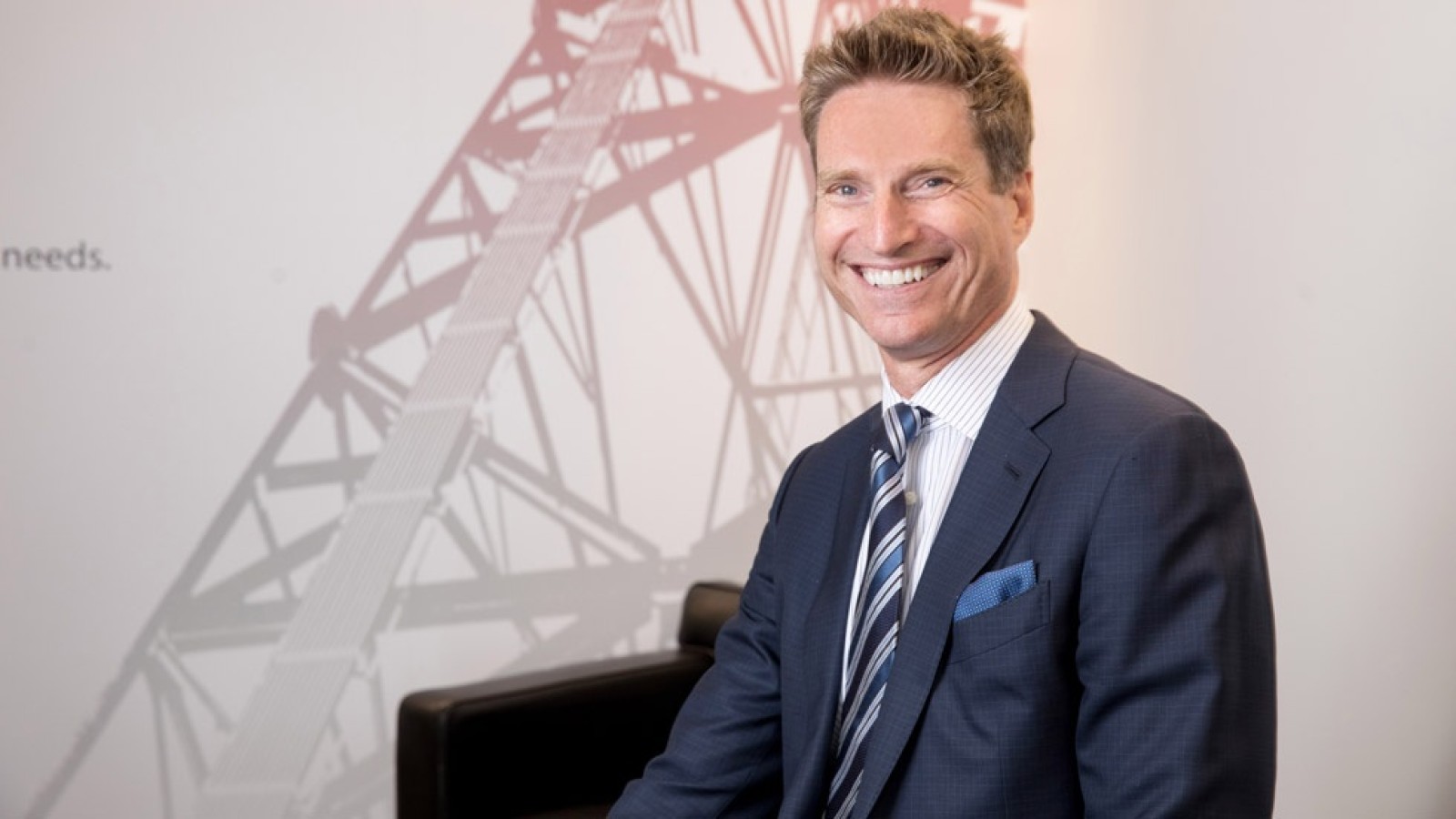
James Taiclet didn't start out making millions. Like most successful executives, he worked his way up through decades of calculated career moves, starting with a military salary and eventually landing at the helm of Lockheed Martin, where he now oversees a massive defense empire. His story offers a fascinating look at how careers in aerospace and defense can lead to extraordinary financial success.
Early Career: From Military Service to First Earnings

Taiclet's professional life kicked off in the United States Air Force, where he flew planes and eventually made Captain. Back in the 1980s, his military paycheck was pretty standard for officers at the time, probably somewhere between $25,000 and $40,000 a year depending on rank and how long he'd been serving. It wasn't big money, but it gave him something more valuable: real-world experience in aviation and how the military actually works.
After hanging up his uniform, Taiclet grabbed an MBA from Wharton and jumped into the corporate world at McKinsey & Company as a management consultant. This was his first taste of serious civilian money. In the early 1990s, he was likely pulling in somewhere between $80,000 and $120,000 annually, a pretty big jump from his Air Force days and a solid foundation for what came next.
Rising Through the Ranks: Building Wealth in Telecommunications

Taiclet joined Pratt & Whitney in 1996, diving deeper into aerospace and defense. But his real breakthrough happened when he moved to American Tower Corporation in 2001 and climbed to CEO by 2003. This is where his earnings really took off. American Tower deals with cell tower infrastructure, and during his 17 years running the company, Taiclet turned it into a powerhouse while building his own fortune. By the mid-2010s, he was regularly bringing home over $10 million a year, with some years hitting $15 to 20 million when you count stock options and bonuses.
The Peak: CEO of Lockheed Martin Takes the Helm

June 2020 marked the biggest moment of Taiclet's career when he became CEO of Lockheed Martin, the world's largest defense contractor. This wasn't just another promotion; it was landing one of the most prestigious and high-paying jobs in American business. In his first full year as CEO of Lockheed Martin in 2021, he earned about $23.5 million total. The next year, that number jumped to roughly $25.7 million, combining base salary, performance bonuses, and stock awards.
Running Lockheed Martin means managing over 115,000 employees and dealing with annual revenues above $65 billion. The CEO of Lockheed Martin isn't just running a business; he's overseeing critical national security programs and defense systems that protect the country. The massive compensation reflects both the company's scale and the weight of those responsibilities.
Current Net Worth and Earnings
Right now, Taiclet's net worth sits somewhere between $60 and 80 million, built up over decades of executive paychecks, stock holdings, and smart investments. He's still earning over $20 million annually as CEO of Lockheed Martin, with a big chunk of that tied to how well the company performs and what happens with the stock price.
He owns a substantial amount of Lockheed Martin stock, so his wealth goes up and down with the company's fortunes. Given how strong Lockheed Martin's position is in defense contracting and the steady flow of government defense spending, those stock holdings make up a huge part of his overall wealth.
Core Philosophy: Taiclet's Keys to Success
Over the years, Taiclet has shared the principles that took him from flying military jets to running one of America's most important corporations:
- Embrace technological transformation - Taiclet constantly talks about staying ahead of tech changes instead of playing catch-up. Whether it was telecommunications or defense systems, he's always pushed for adopting new technology before competitors figure it out.
- Bridge military and business mindsets - His Air Force background taught him discipline and mission focus, and he believes the best leaders combine that military clarity with business innovation and market awareness. He's big on setting clear objectives and building tight teams.
- Long-term thinking over short-term gains - At both American Tower and Lockheed Martin, Taiclet focused on building lasting advantages rather than just hitting quarterly targets. He's patient about strategy and doesn't chase quick wins that might hurt the company later.
- Invest in people and culture - He's always saying that technology alone doesn't win; you need talented people and a culture that encourages innovation. At Lockheed Martin, he's pushed hard to bring in younger talent and modernize how the company works.
- Adapt or become obsolete - This might be his biggest message: you have to keep adapting or you'll get left behind. Whether the industry is telecommunications or defense technology, Taiclet warns against getting comfortable and encourages leaders to constantly question their assumptions about markets and what they're capable of achieving.
 Alex Dudov