
 Alex Dudov
- The CEO of Adobe's Humble Beginnings: That First $400 Paycheck
- Building His Career: From Apple Engineer to Startup Founder
- The Big Moment: Becoming CEO of Adobe and Transforming Everything
- Where the CEO of Adobe Stands Today: Still Running the Show
- How He Actually Did It: His Core Success Principles
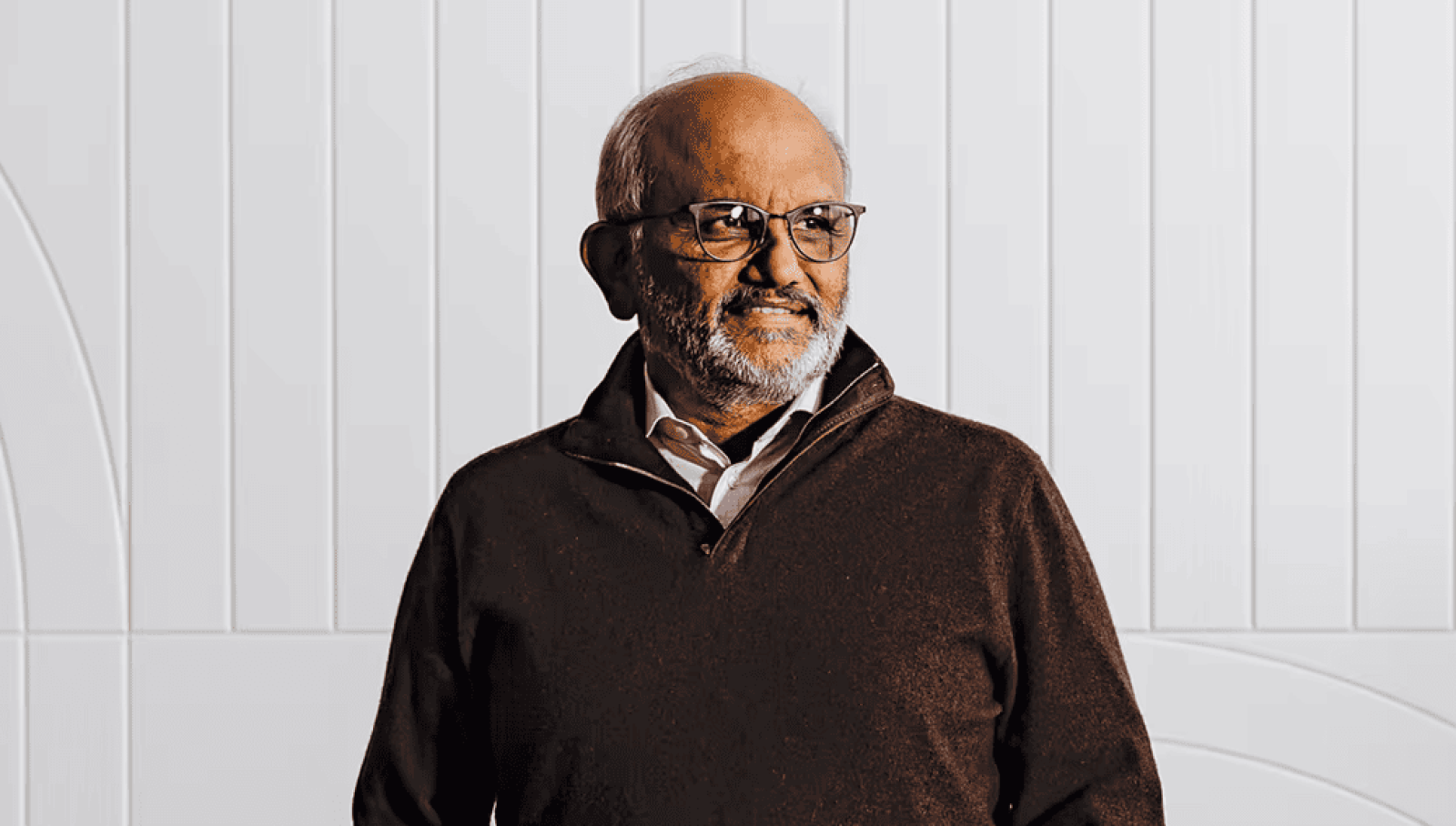
Look, we've all heard rags-to-riches stories, but Shantanu Narayen's journey hits different. This guy didn't just climb the corporate ladder—he rebuilt it entirely. From his first humble paycheck to running a company worth over $200 billion, his path shows what happens when talent meets timing meets absolute determination. What makes his story even more interesting is how he's managed to stay grounded through it all, still working those long hours despite having enough money to never work another day in his life.
The CEO of Adobe's Humble Beginnings: That First $400 Paycheck
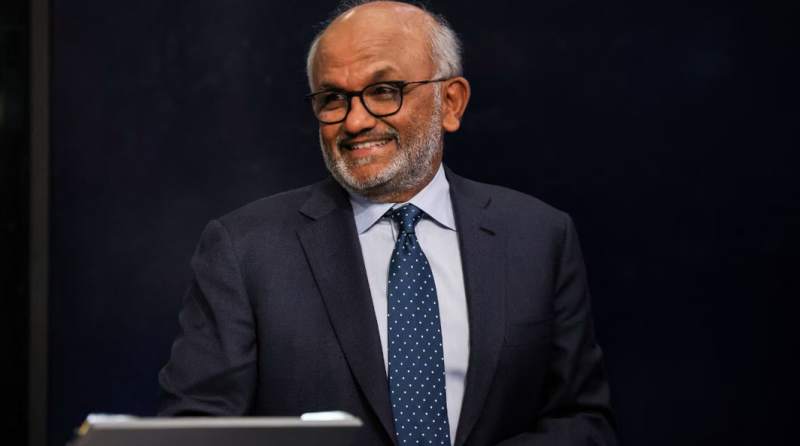
Narayen grew up in Hyderabad, India, in a pretty standard middle-class household. His dad worked in plastics, his mom taught American literature—nothing fancy, just hardworking people who valued education. When he was still in college studying electronics and communication engineering at Osmania University, he landed his first real gig as an engineering intern. The pay? About $400. Now, in early 1980s India, that wasn't nothing, but it wasn't exactly life-changing money either.
Here's the thing though—that first paycheck did something to him. It wasn't about the money itself, it was about what it represented. He saw firsthand how technical skills could translate into earning potential, and more importantly, how technology was going to reshape everything. That realization became his North Star.
So in 1986, he made the gutsy move to come to America. First stop was Bowling Green State University in Ohio for his master's in computer science. Then he really went for it, getting his MBA from UC Berkeley's Haas School of Business in 1993. These weren't just degrees to hang on a wall—this was him strategically positioning himself for the opportunities he knew were coming in tech.
Building His Career: From Apple Engineer to Startup Founder
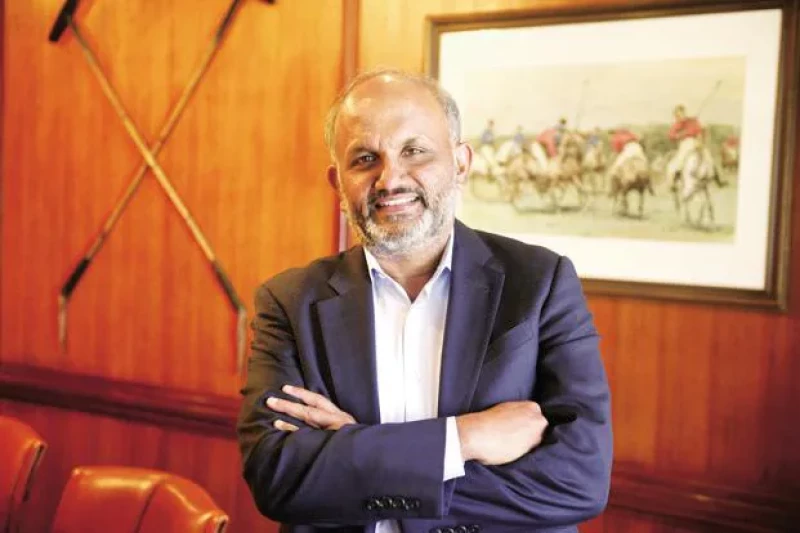
Narayen's first major break came in 1989 when Apple hired him as a senior engineer in their imaging products division. This was Apple in its prime creative years, and being there meant you were working on cutting-edge stuff. He was probably making somewhere between $60,000 and $90,000 a year—good money for a young engineer, but nothing crazy. He spent about seven years there, and the real value wasn't the salary, it was the education. He learned how great products get made, how companies operate at scale, and how to think about technology from a business perspective.
But Narayen had that entrepreneurial itch. In 1996, he co-founded Pictra Inc., a digital photo-sharing startup, and became its CEO. This was way before Instagram or even Facebook, so they were pioneers in a space that didn't really exist yet. The company eventually got acquired by Harman International, and while it wasn't a massive exit, it gave Narayen something money can't buy—real experience running a company, dealing with investors, making tough calls when resources are limited. His compensation there was probably in the $150,000 to $250,000 range plus equity, typical for startup CEOs back then.
Then 1998 happened—Adobe came calling. He joined as a senior director of engineering and product development, likely starting around $200,000 to $300,000 annually. But watch how fast he moved: within a year, he was vice president of product development. By 2001, senior vice president of worldwide product development. By 2003, executive vice president of worldwide products. Each jump came with serious pay increases—by the early 2000s, he was clearing well over half a million dollars annually, not counting bonuses and stock options. The guy was on fire.
The Big Moment: Becoming CEO of Adobe and Transforming Everything
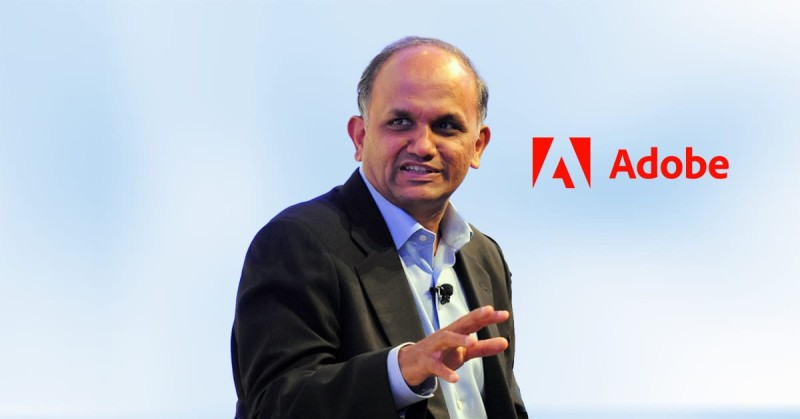
December 2007—that's when Narayen became CEO of Adobe. Talk about timing. He takes over right as the 2008 financial crisis is about to smash into the global economy. Most people would've played it safe, but not him. He had this vision that seemed crazy at the time: take Adobe from selling boxed software to a cloud-based subscription model. People thought he was nuts. Wall Street was skeptical. Some customers straight-up hated the idea.
But he pushed through anyway. And man, did it work. Adobe's market cap went from around $20 billion when he took over to over $200 billion at its peak. Revenue exploded from roughly $3.6 billion annually to more than $19 billion by 2023. That's not growth—that's a complete transformation.
His compensation started reflecting that success too. In recent years, the CEO of Adobe has been pulling in between $30 million and $45 million annually in total compensation—salary, bonuses, stock awards, the whole package. In 2022, for example, he made approximately $39.1 million. But here's where it gets really interesting: the bulk of his wealth came from Adobe stock. As of 2024, Narayen's net worth sits around $1.1 billion, mostly from his equity in the company. He owns millions of shares worth hundreds of millions of dollars, and when you add up all his years of compensation and stock sales, the numbers become absolutely staggering.
During his tenure, Adobe stock has returned over 1,000 percent. Think about that for a second. If you'd invested $10,000 in Adobe when he became CEO, you'd have over $100,000 today. That's the kind of value creation that justifies those massive pay packages.
Where the CEO of Adobe Stands Today: Still Running the Show
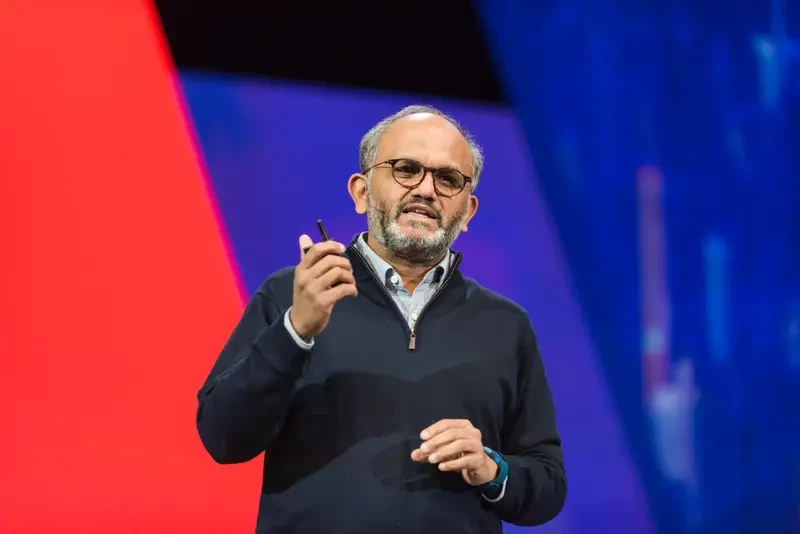
Right now, Narayen is still Adobe's chairman and CEO, showing zero signs of slowing down. His current annual compensation typically exceeds $35 million, with about $1.5 million in base salary and the rest coming from performance-based stock awards and bonuses. Adobe stock bounces between $400 and $600 per share these days, which directly impacts his net worth in real-time.
Beyond Adobe, he's on multiple corporate boards—Pfizer being a big one, and he previously served on Dell Technologies' board. Each of those positions adds six-figure board compensation every year. He's also become this go-to voice for tech policy discussions, meeting with presidents and testifying before Congress about everything from immigration reform to cybersecurity.
His lifestyle? Actually pretty low-key compared to other billionaire CEOs. Sure, he's got properties in the San Francisco Bay Area worth tens of millions, but he's not out there buying yachts or space rockets. The guy genuinely still grinds at work, putting in long hours despite having enough wealth to retire comfortably ten times over. That's the immigrant work ethic he talks about—it never really leaves you.
How He Actually Did It: His Core Success Principles
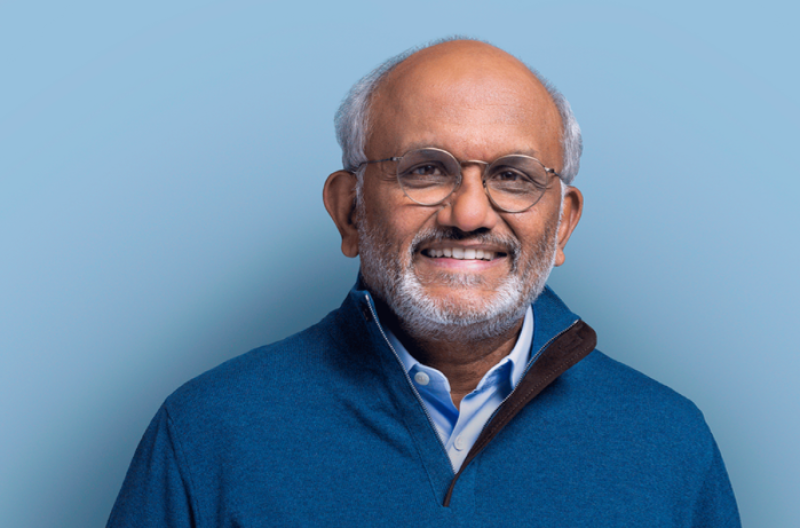
What's cool about Narayen's approach is he doesn't sugarcoat anything or sell you some motivational poster nonsense. His principles are brutally practical because they're based on what actually worked for him.
First off: think long-term even when everyone's screaming about short-term results. That subscription model transformation? Total chaos initially. Wall Street analysts were questioning him, customers were mad, revenue took a temporary hit. But he saw where technology was heading and stuck to his guns. Now Adobe Creative Cloud alone generates over $12 billion in annual revenue. Patience paid off massively.
Second: embrace change before you absolutely have to. Adobe's boxed-software business was still making money when he decided to blow it up and move to subscriptions. He didn't wait for a crisis—he created one on his own terms. That proactive mindset is what separates leaders who survive from leaders who dominate.
Third principle: invest in people and culture like your company depends on it, because it does. Under Narayen, Adobe consistently ranks as one of the best places to work, with employee satisfaction scores in the 90th percentile. He pumped up engineering headcount, improved benefits, created this culture where people actually want to innovate. His reasoning is simple—happy, empowered employees build better products, period.
Fourth: don't just sell products, solve actual problems. Narayen pushed Adobe way beyond being "that Photoshop company" into becoming a complete digital experience platform. He acquired companies like Magento, Marketo, and Figma to solve bigger customer problems around digital marketing and design collaboration. It's about thinking in terms of ecosystems, not just individual products.
Finally, and this might be the most important one: stay humble and keep learning. Despite running a $200 billion company, Narayen regularly talks about learning from failures, really listening to customers, and constantly adapting strategies. He credits his immigrant background with keeping him grounded—remembering that $400 first paycheck helps maintain perspective when you're operating at this level.
The CEO of Adobe's journey from that tiny engineering internship to billion-dollar success isn't just some feel-good story. It's a genuine blueprint for how strategic thinking, long-term vision, and betting on yourself while staying focused on delivering real value can take you from literally anywhere to the absolute top of your field.
 Alex Dudov



