Alex Dudov
- Early Career: Learning the Ropes at Major Brands
- Career Development: Making His Mark as CEO of Chipotle's Rival
- Peak Success: Turning Chipotle Around When Nobody Thought It Was Possible
- Current Status: Still One of the Most Valuable Executives in the Business
- Success Philosophy: What Niccol Learned About Winning in Business
Brian Niccol's rise to the top of the restaurant world is honestly one of those stories that proves the right person can completely turn things around. When he took over at Chipotle back in 2018, the company was dealing with some pretty serious problems—food safety scandals had hammered their reputation and the stock price was tanking. Fast forward a few years, and he'd completely transformed the place into a digital powerhouse. His story shows what happens when you mix smart marketing chops with genuine understanding of what customers actually want.
Early Career: Learning the Ropes at Major Brands
Niccol got his start making real money at Procter & Gamble after finishing up at Miami University in Ohio. Working in brand management there taught him the fundamentals—how to read what customers want and build brands people actually care about. It was solid corporate training, but not where his heart really was.
The real action started when he jumped ship to Yum! Brands in 2005 and landed at Taco Bell as their Chief Marketing and Innovation Officer. That's where things got interesting. He was pulling down a decent six-figure salary, sure, but more importantly he was learning how the restaurant business actually works from the inside. Remember those Doritos Locos Tacos that were everywhere? That was his baby. The campaign was brilliant—it connected with younger customers in a way fast food marketing hadn't really done before, and the sales numbers backed it up.
Career Development: Making His Mark as CEO of Chipotle's Rival
By 2015, Niccol had proven himself enough to become CEO of Taco Bell itself. His compensation jumped into the several-million-dollar range with base salary, bonuses, and stock options. But he wasn't just collecting paychecks—he was actually changing how the brand operated. Digital ordering, mobile apps, delivery partnerships—he was pushing all of it before most competitors even saw it coming. Taco Bell's same-store sales were climbing, and the brand became one of the fastest-growing quick-service chains in the country.
Then Chipotle came calling in 2018. They were desperate. Multiple food safety crises had wrecked their reputation, customers were staying away, and the stock was in the toilet. The board offered him something like $33 million for his first year—base salary, signing bonus, the whole package. They were betting big that this outsider could fix what felt like an unfixable mess. It was a huge risk for both sides, but Niccol saw the potential everyone else was missing.
Peak Success: Turning Chipotle Around When Nobody Thought It Was Possible
What Niccol pulled off at Chipotle over the next few years was pretty remarkable. He went all-in on digital—not just adding online ordering as an afterthought, but actually redesigning how the whole operation worked. Those Chipotlanes, the drive-through lanes specifically for mobile orders, seemed weird at first. Then the pandemic hit, and suddenly they looked like genius moves. By 2021, nearly half of Chipotle's sales were coming through digital channels.
His pay reflected what he was delivering. In 2020, the CEO of Chipotle pulled in about $38 million in total compensation—$1.24 million base salary plus substantial stock awards and performance bonuses. And honestly, the board probably thought it was worth every penny. The stock price tripled in his first three years. That's billions in shareholder value created while simultaneously fixing the operational and reputation problems that had nearly destroyed the company.
Current Status: Still One of the Most Valuable Executives in the Business
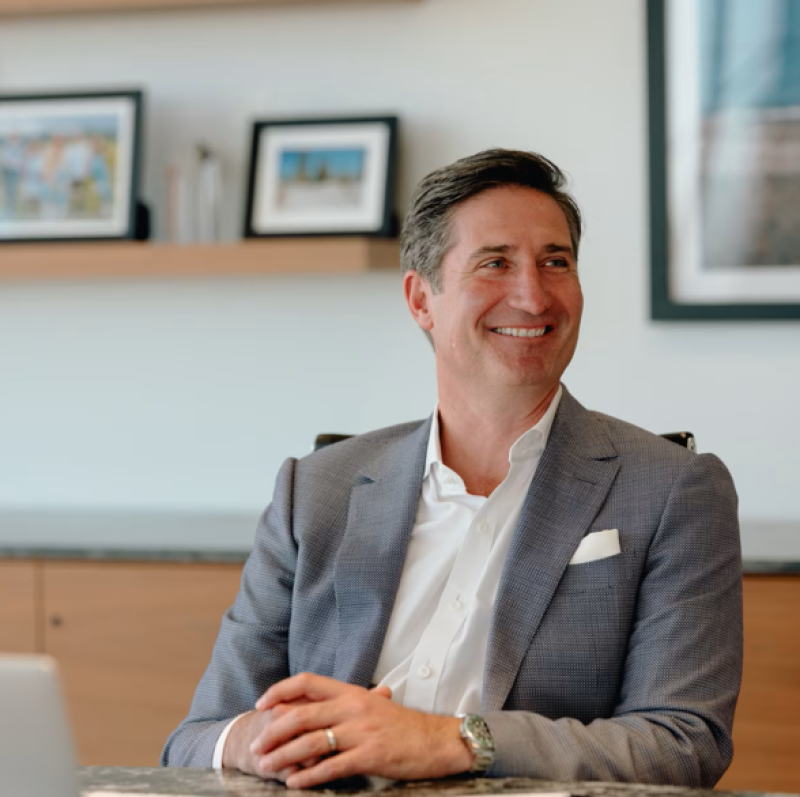
These days, Niccol's personal net worth sits comfortably over $100 million, built up through years of salaries, bonuses, and especially those stock options from both Taco Bell and Chipotle. His 2023 compensation at Chipotle came in around $22.5 million—base salary, incentives, and equity awards. If Chipotle keeps growing the way it has been, those stock holdings could end up being worth a whole lot more.
The restaurant industry clearly agrees he's worth it. In 2024, Starbucks poached him to be their CEO, offering a compensation package that includes $1.6 million base salary but could reach up to $7.2 million in cash bonuses, plus equity awards potentially worth $23 million annually. When one of the biggest coffeehouse chains in the world comes calling with that kind of offer, it says something about your reputation. Niccol had proven himself as the guy you bring in when you need a turnaround and a digital transformation, and apparently that skill set is worth paying top dollar for.
Success Philosophy: What Niccol Learned About Winning in Business

Throughout his career, Niccol has been pretty consistent about what actually matters if you want to succeed. First and foremost, he's obsessed with the customer experience. He's said repeatedly that if you're not constantly thinking about making things better for customers, you're already falling behind. That philosophy drove every innovation he pushed at both Taco Bell and Chipotle. It sounds simple, but most companies talk about customers more than they actually listen to them.
Technology is another big piece of his approach, but not in the way you might think. Niccol doesn't see digital tools as a replacement for human interaction—he sees them as a way to enhance it. Make ordering convenient so customers spend less time waiting and more time enjoying their food. Use technology to solve the annoying parts of the experience while keeping the personal touches that matter. It's a balanced approach that a lot of executives miss.
He's also big on authenticity and staying true to what makes a brand special. When he got to Chipotle, he could have blown everything up and started over. Instead, he focused on fixing operations and rebuilding trust while keeping the menu and values that customers already loved. That takes discipline—it's way easier to just change everything and call it innovation.
Finally, and this is something he talks about constantly, you've got to invest in your people. Training, decent wages, opportunities to grow—all of that matters. Niccol genuinely believes that happy employees create better customer experiences, which drives better business results. It's not complicated, but it requires actually caring about more than just the next quarter's numbers. That complete approach to leadership—balancing new ideas with tradition, tech with humanity, shareholder returns with taking care of everyone involved—that's what made Niccol one of the most successful restaurant executives of his generation.
 Alex Dudov