Sergey Diakov
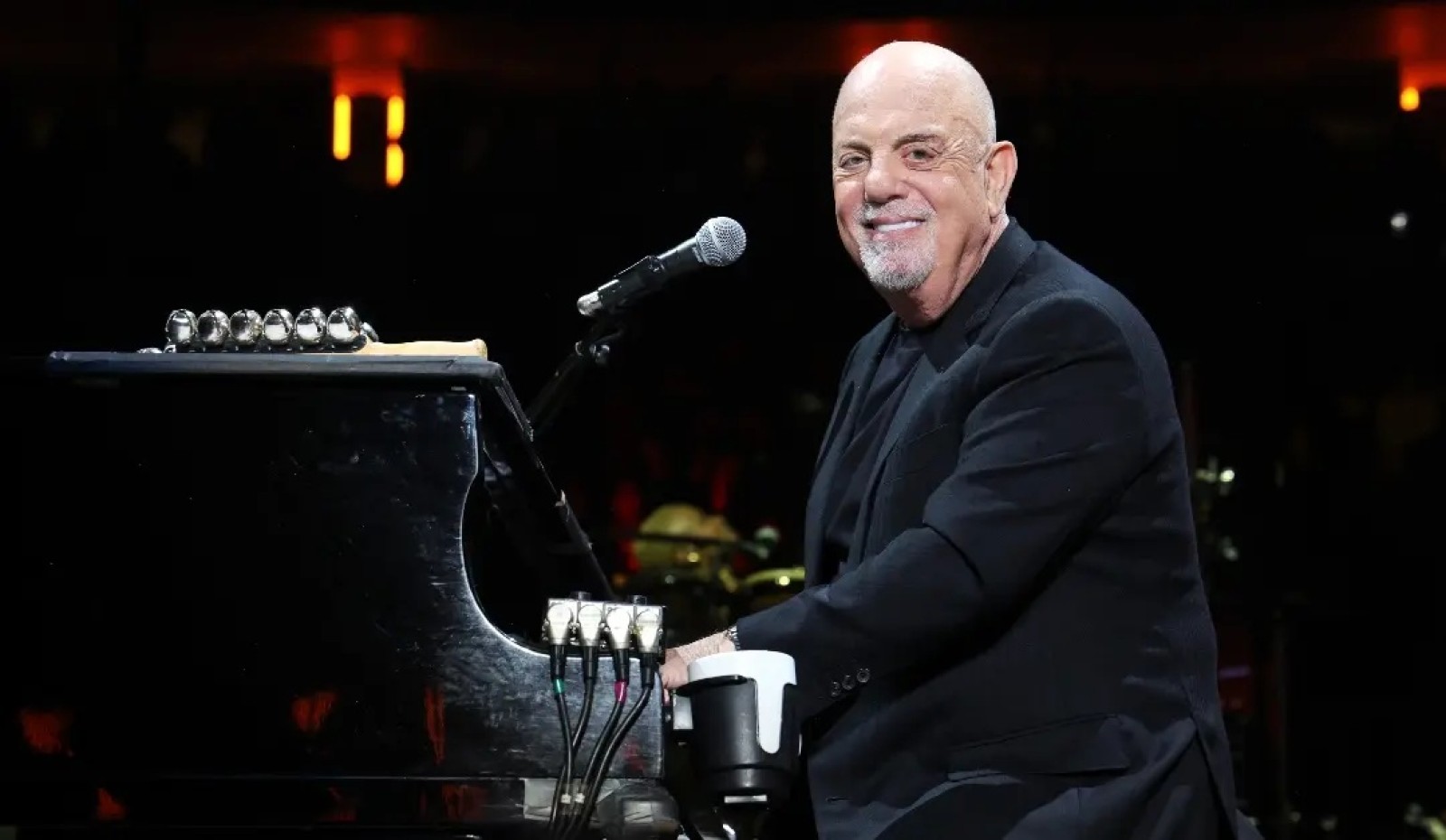
Billy Joel didn't wake up rich. The Piano Man we know today spent years grinding it out in smoky bars and dive clubs, barely scraping by. But somewhere between those early struggles and his record-breaking Madison Square Garden residency, he figured out how to turn talent into serious money. His story isn't just about writing catchy songs—it's about persistence, learning from brutal mistakes, and knowing your worth. Let's break down how this kid from Long Island turned piano keys into a quarter-billion-dollar empire.
Billy Joel Net Worth: From Bar Gigs to His First Real Paychecks
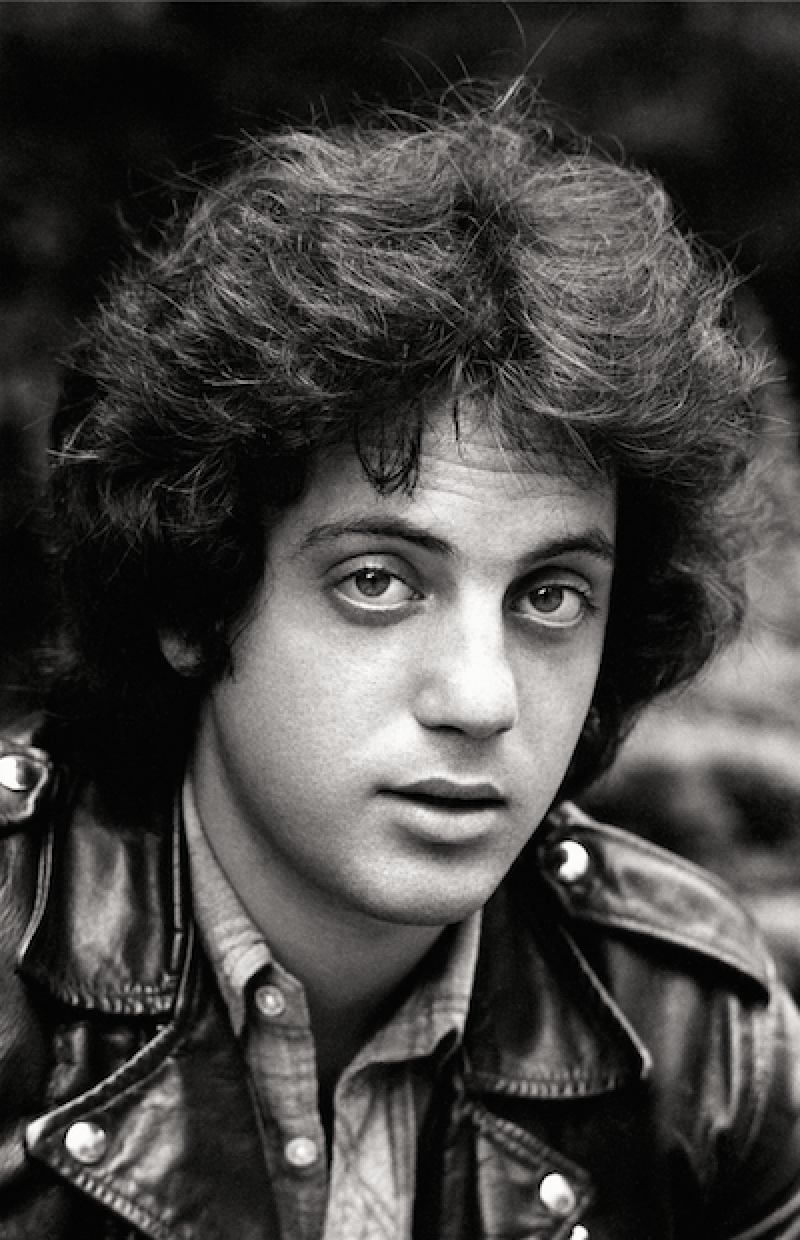
Billy's money journey started in the least glamorous way possible. As a teenager in the Bronx and later Hicksville, Long Island, he was playing piano in local bars just trying to make a few bucks. At 14, he joined his first band, The Echoes, doing cover songs at neighborhood spots. The pay? Maybe $50-75 for a weekend gig. Not exactly rolling in cash, but it helped his mom pay the bills after his dad split.
His first actual music industry job came in 1965 with The Hassles, a Long Island rock group that managed to snag a deal with United Artists Records. Sounds promising, right? Not quite. Joel was pulling in maybe $200-300 a week when they toured, which was barely enough to survive. After that band crashed and burned, he tried another project called Attila that flopped even harder. Things got so bad that Joel ended up working at a piano bar in Los Angeles under a fake name—"Bill Martin"—playing for tips and a tiny salary. That's when you know you've hit rock bottom. But those struggling years? They gave him the real-life stories that would later fill his best songs.
The Breakthrough: When Billy Joel Net Worth Started Growing
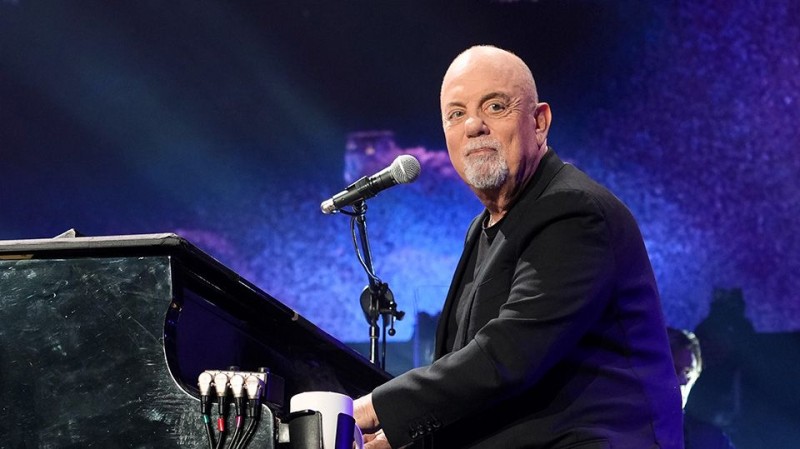
Everything shifted in 1973 when "Piano Man" hit the airwaves. The song climbed to number 25 on the charts, and suddenly Columbia Records wanted in. During the mid-70s, Joel went from making around $50,000 a year to pulling in nearly $500,000 by 1977. That's when "The Stranger" album dropped and absolutely exploded. It became Columbia's biggest seller at the time, packed with hits like "Just the Way You Are" and "Only the Lonely." That Grammy-winning album pushed his income past a million dollars annually for the first time.
Then came the late 70s and early 80s, and Joel hit his stride. "52nd Street" in 1978 won two Grammys and went multi-platinum. "Glass Houses" in 1980 debuted at number one and sold over seven million copies. During these golden years, Joel was making $3-5 million per year just from album sales, not even counting tour money. "An Innocent Man" in 1983 brought in another $4 million in its first year alone. By the mid-80s, Billy Joel net worth had shot up to somewhere between $40-50 million. Not bad for a guy who used to play for tips.
Peak Years: Building a $225 Million Fortune
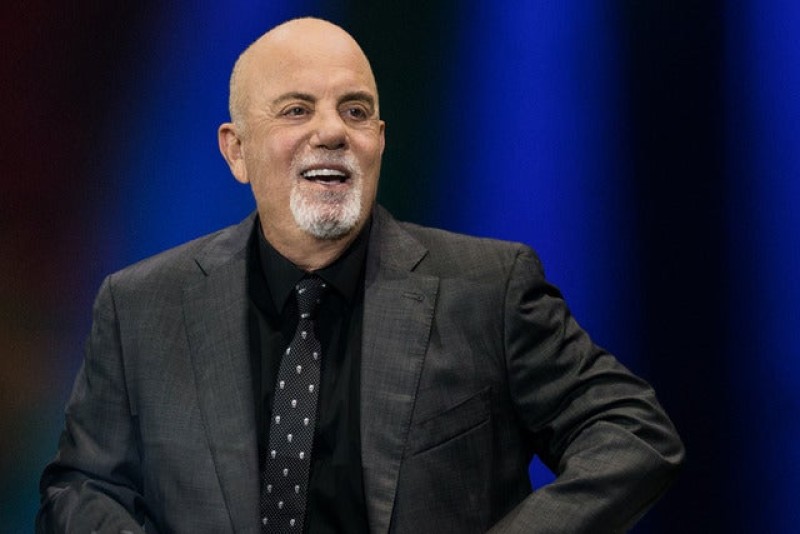
Joel's commercial peak stretched through the 80s into the early 90s. His 1989 album "Storm Front" with the massive hit "We Didn't Start the Fire" sold over four million copies and netted him around $6 million in royalties. But here's where the real money came in—touring. Joel's live shows became legendary events that sold out instantly. His 1990 tour alone grossed over $45 million, and he was reportedly making $500,000 to $1 million per show during his peak years. Those numbers are insane even by today's standards.
Fast forward to now, and Billy Joel net worth sits at roughly $225 million. The bulk of that comes from two sources: his music catalog and his unbelievable Madison Square Garden residency. Since January 2014, Joel has been doing monthly shows at MSG, becoming the first artist to have an ongoing music franchise at the venue. These concerts pull in between $2-3 million per show, and he does 10-12 of them every year. His back catalog keeps printing money too—streaming, licensing, and royalty payments bring in an estimated $10-15 million annually.
Beyond the music, Joel owns some seriously valuable real estate. His properties in Long Island and Florida are worth over $100 million combined, including waterfront estates that look like something out of a movie. He's also got a classic motorcycle collection valued in the millions. The guy clearly knows how to diversify.
How Billy Joel Says You Should Build Success

Joel's been pretty open about his success philosophy over the years, and it's not your typical celebrity advice. His biggest thing is authenticity. He always says, "Don't try to be something you're not. Write what you know, play what you feel." He credits his staying power to keeping it real and writing about actual experiences instead of chasing whatever's trendy. That working-class background never left him, and he thinks that's why people still connect with his music decades later.
He's also huge on craftsmanship over shortcuts. Joel spent years studying piano technique, learning from classical composers, and grinding on his songwriting before anyone knew his name. He's constantly reminding people, "There are no overnight successes. You have to put in the work when nobody's watching." All those hours he spent perfecting his craft during the struggling years built the foundation for everything that came after.
Here's a big one—financial awareness. Joel got absolutely destroyed by his first manager in the 70s, losing millions because he wasn't paying attention to his business. After that brutal lesson, he made it his mission to understand every dollar coming in and going out. He tells other artists, "Know where your money goes and who controls it." It's not enough to be talented—you've got to protect what you earn. His comeback from that financial disaster shows what resilience looks like when you take control of your own business.
Finally, Joel believes in knowing when enough is enough. He stopped recording new pop albums after 1993's "River of Dreams" because he felt he'd said everything he needed to say in that format. Instead of cranking out mediocre albums just for the money, he focused on live performances where his passion was still burning. That selective approach actually preserved his artistic legacy and kept his existing catalog valuable. Turns out that quality and longevity beat quantity when you're building wealth that lasts.
 Sergey Diakov