Sergey Diakov
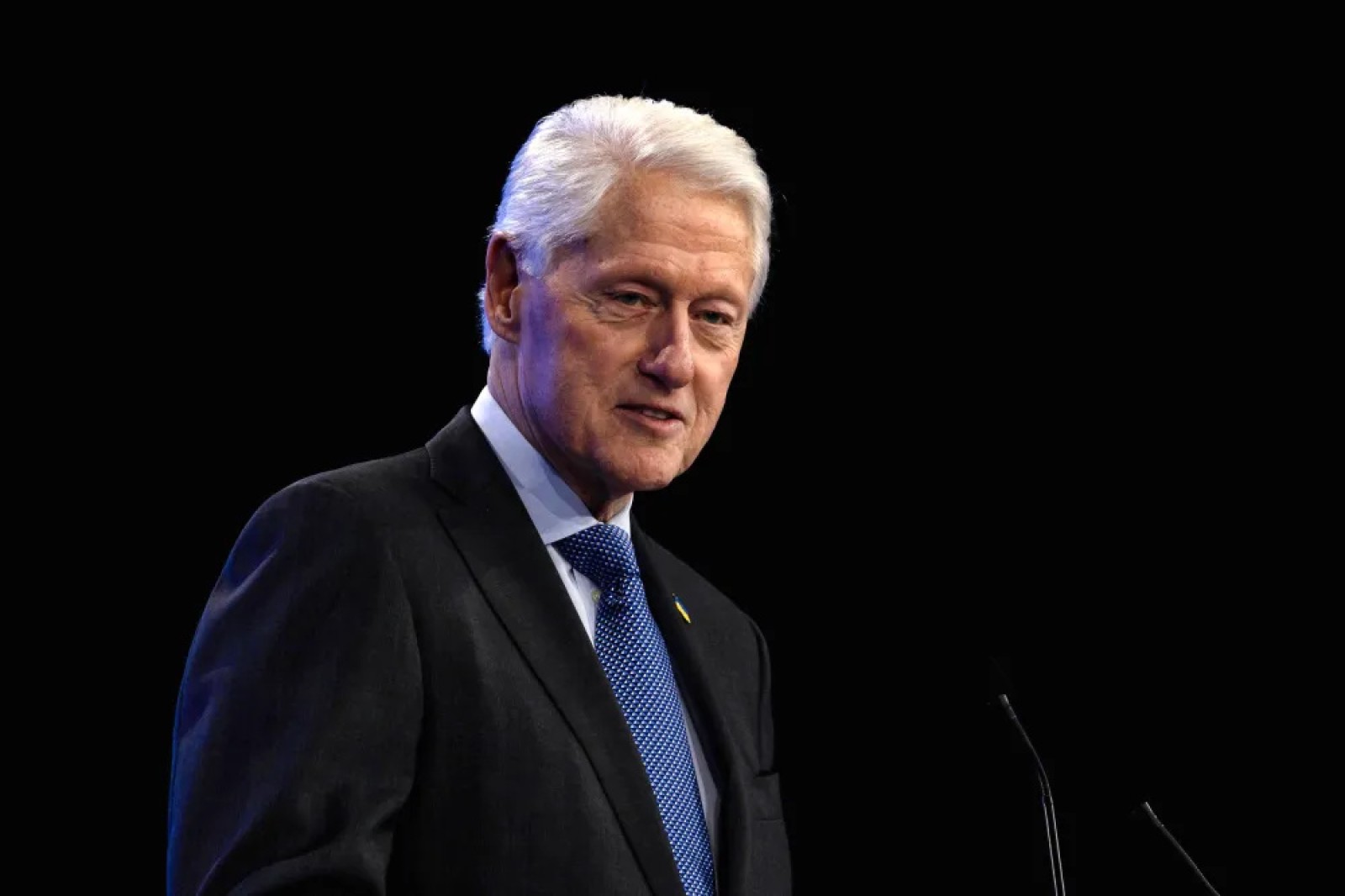
Bill Clinton's money story is wild when you think about it. The guy went from being dead broke—actually in debt—when he left the White House to building a fortune worth over $120 million. Most presidents make their real money after leaving office, but Clinton took it to another level. While his presidential salary maxed out at $400,000 a year, his post-presidency hustle turned him into a financial powerhouse that most people don't fully appreciate.
Bill Clinton's Early Career and First Paychecks
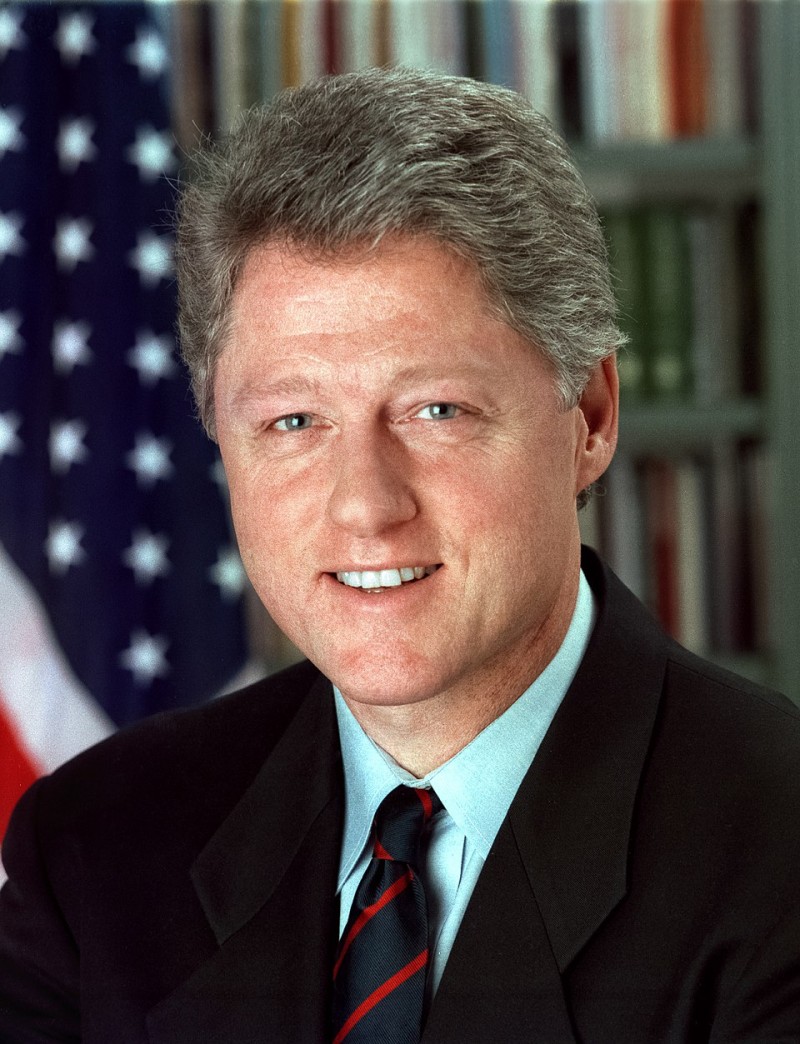
Clinton didn't come from money. Born in Hope, Arkansas in 1946, he grew up in pretty humble circumstances with his mom and stepfather. His first real job after finishing law school at Yale in 1973 was teaching law at the University of Arkansas. He was making around $18,000 a year—not bad for the mid-70s, but nothing crazy either.
Politics came calling pretty quick after that. At 30, he became Arkansas Attorney General pulling in about $26,000 annually. Then at 32, he became the youngest governor in America, earning somewhere around $35,000. Throughout the 80s and early 90s as governor, his salary crept up to maybe $60,000 tops. Comfortable for Arkansas living, sure, but we're not talking wealth here.
The White House Years: Building Influence, Not Wealth
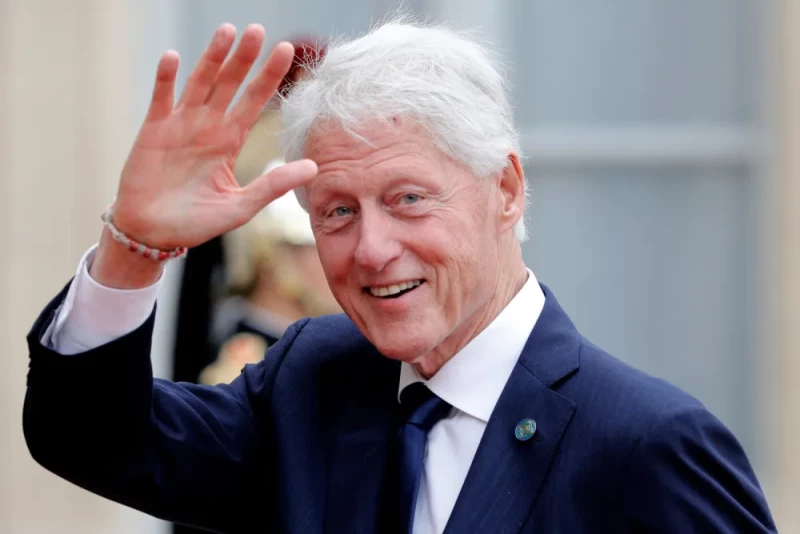
When Clinton won the presidency in 1992, his salary jumped to $200,000, and then Congress bumped it to $400,000 in his last year. But here's the crazy part—those eight years in the White House actually cost him money. Between legal fees from all the investigations, the Lewinsky scandal, and impeachment stuff, the Clintons racked up millions in debt. Some reports say they left office owing anywhere from $1 million to $12 million. Not exactly living the dream financially.
But what Clinton was doing during those years was building something way more valuable than a fat bank account—connections, credibility, and a global brand that would later turn into serious cash.
Bill Clinton Net Worth Explosion: The Post-Presidency Gold Rush
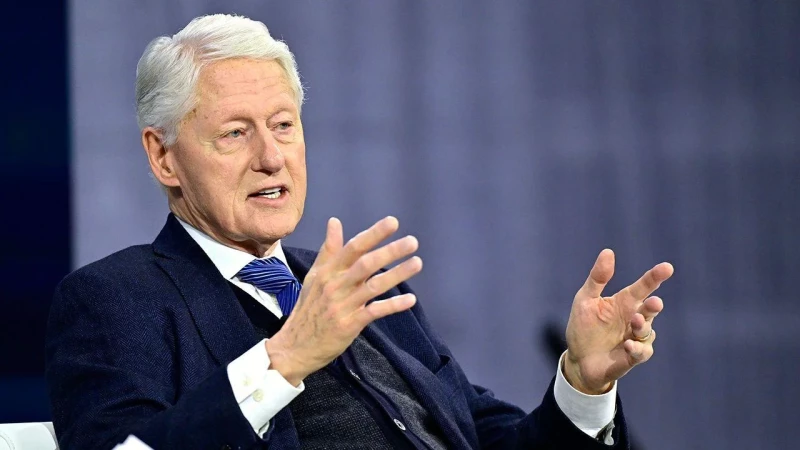
This is where it gets absolutely insane. Between 2001 and 2012, Clinton made over $105 million just from giving speeches. Think about that for a second—$105 million for talking. Big corporations, foreign governments, Wall Street firms—they were all throwing money at him. His fees ranged from $150,000 all the way up to $750,000 per speech, with most landing around $200,000 to $250,000. And he was doing dozens of these a year.
Then you've got the book deals. His memoir "My Life" came out in 2004 with a $15 million advance, which was basically unheard of at the time. More books followed, more millions rolled in. Add in what Hillary was making from her own career, and the Clintons were suddenly pulling in $10 to $20 million every single year through the 2000s and 2010s. By 2016, their combined net worth hit somewhere between $110 and $120 million. Bill's personal chunk of that is roughly half when you separate it from Hillary's earnings, though honestly their finances are pretty tangled together.
Current Financial Status and Earning Potential
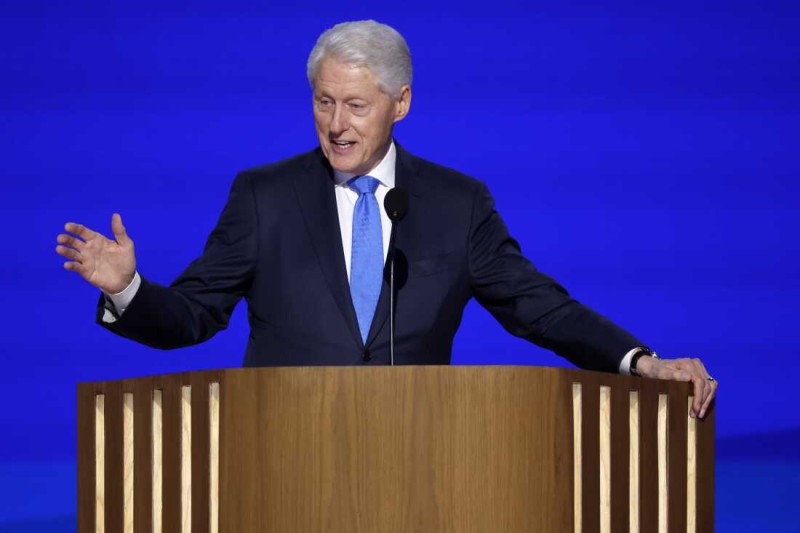
These days, Clinton's speaking fees have cooled off a bit. He's 78 now, and the whole speaking circuit got more complicated after 2016 when people started paying closer attention to who was paying whom for what. But he's still commanding $200,000-plus for big appearances, and the royalties from all those books keep trickling in.
The real estate game adds up too. They've got the house in Chappaqua, New York that they bought for $1.7 million back in 1999—probably worth $3 to $4 million now. Plus a Washington DC property they grabbed for $2.85 million in 2000 that's likely valued around $6 or $7 million today. Throw in investment portfolios with index funds and bonds, and you're looking at several million more sitting there growing.
Bill Clinton's Key Success Principles
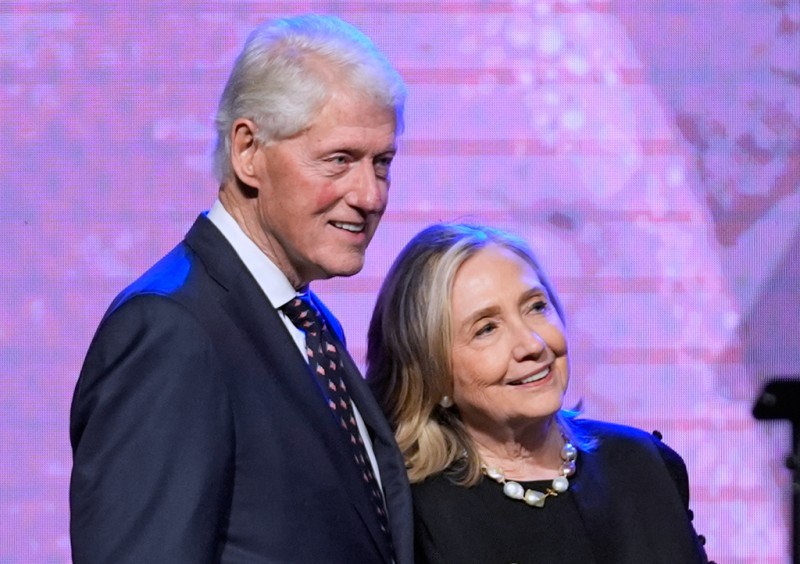
Clinton's talked a lot over the years about what made him successful, and some clear patterns emerge. First off, he's obsessed with genuine human connection. That famous thing where he makes everyone feel like they're the only person in the room? That wasn't fake—he genuinely believes relationships are everything. He's always saying he's never met someone he couldn't learn something from.
Second thing is resilience. The man lost his governorship in 1980, got impeached as president, and had scandals that would've buried most people. But he just kept going. His take on it is pretty straightforward—everyone screws up if they live long enough, but the winners are the ones who learn from their mistakes and get better.
Education and staying curious is another big one for him. Sure, Georgetown, Oxford, and Yale look great on paper, but Clinton's known for reading constantly and soaking up information like a sponge. He thinks staying intellectually hungry opens doors that ambition alone never could.
And here's maybe the smartest move he made—thinking long-term about his brand. Clinton didn't try to cash in while he was president, even though he probably could have. He played the long game. All that credibility and all those connections he built in office? That's what allowed him to make the real money afterward. He's big on protecting your reputation because that's the only thing you really take with you everywhere you go.
The whole Bill Clinton net worth story proves something pretty interesting about success in America. Your biggest payday doesn't have to come in your 30s or 40s. Sometimes the real money shows up after you've spent decades building expertise, connections, and credibility. From making $18,000 as a young law professor to sitting on $120 million now, Clinton's financial journey shows what can happen when you convert political capital into actual capital. Not a bad second act for a kid from Arkansas.
 Sergey Diakov