
 Sergey Diakov
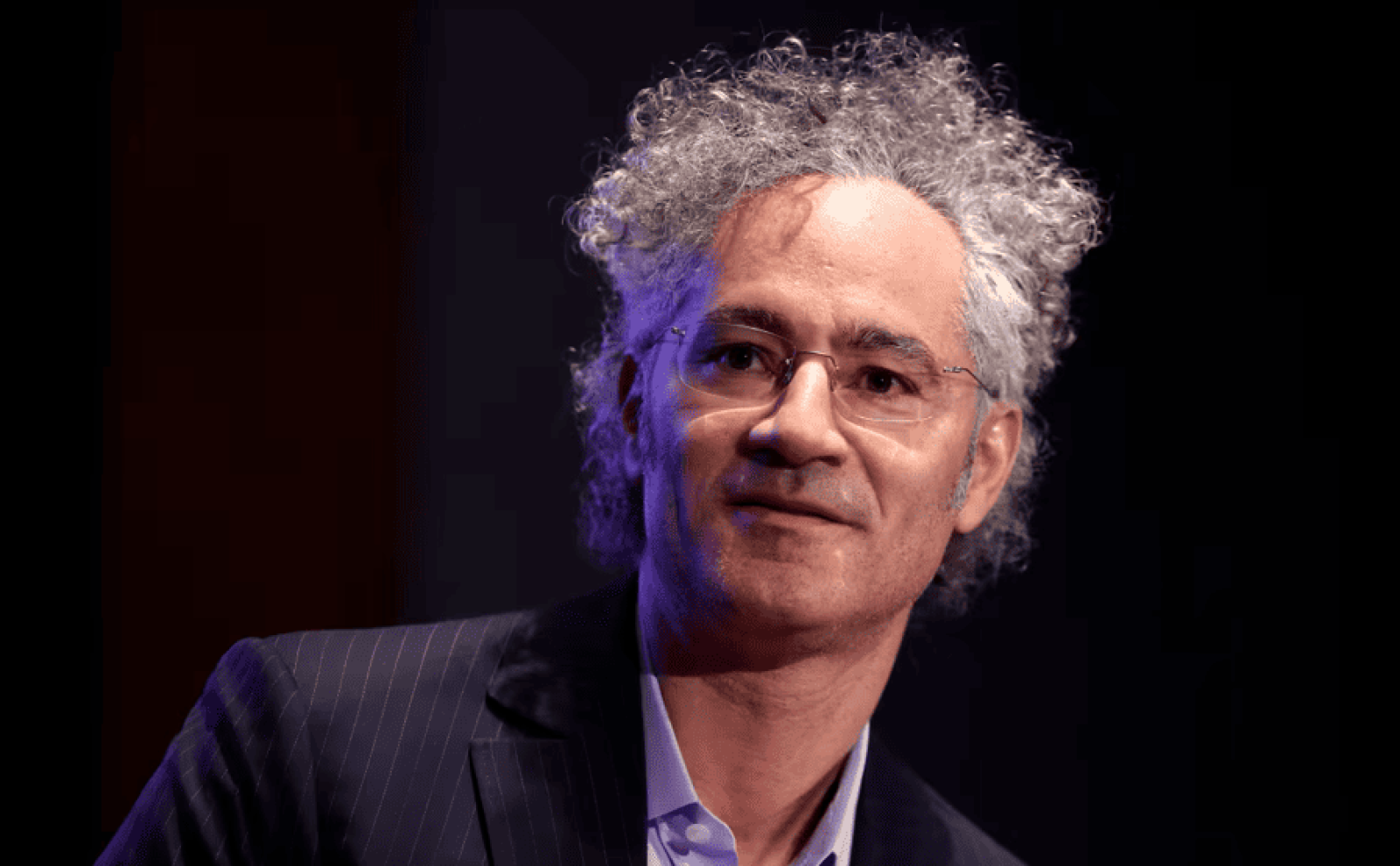
Alex Karp isn't your typical tech boss. While most Silicon Valley CEOs rock hoodies and sneakers, this guy shows up to board meetings in hiking boots with hair that looks like he just rolled out of bed. But don't let the wild appearance fool you—the CEO of Palantir has built one of the most powerful data analytics companies on the planet, worth over $100 billion, and his personal fortune sits comfortably in the multi-billion dollar range. His path to the top reads like something out of a movie: philosophy student turned finance guy turned tech titan. Let's dive into how this happened.
Early Days: From Books to Big Money

Karp's first real paychecks came from a pretty unexpected place—managing money for rich people in London back in the 1990s. After grinding through law school at Stanford and getting his PhD in philosophy from Germany's Goethe University, he landed in finance. Not exactly the traditional tech bro origin story, right? During those years, Karp wasn't making crazy money, probably pulling in a decent six-figure salary doing investment management. Nothing compared to what was coming, but enough to learn how money moves and build some serious connections with wealthy investors who'd later matter a lot.
Starting Palantir: The Grind Years

In 2003, Karp teamed up with Peter Thiel and some Stanford computer science whizzes to launch Palantir, though he didn't officially take the CEO role until 2004. The early days were brutal. They were building software to help intelligence agencies and military folks analyze massive amounts of data—not exactly an easy sell. Karp's salary during those first five years? Barely $200,000 a year, maybe less some years. For a CEO, that's nothing. But he wasn't in it for the immediate cash. He was betting everything on equity, taking a tiny salary and pouring resources back into building the product. Those were the hungry years when nobody knew if Palantir would even survive.
The Big Moment: Going Public and Cashing In

Everything changed in September 2020 when Palantir went public. Overnight, Karp's stake in the company was suddenly worth about $1.2 billion. But that was just the beginning. By 2021, as Palantir's stock kept climbing and the company locked down huge contracts with governments and corporations, Karp's net worth shot past $2 billion. His 2021 compensation package was absolutely insane—over $1.1 billion, making him one of the highest-paid executives in America. Now, that wasn't a billion-dollar salary sitting in his bank account. Most of it came from stock options he'd been accumulating for years finally vesting. All those years of grinding for peanuts suddenly paid off in spectacular fashion.
What He's Worth Today
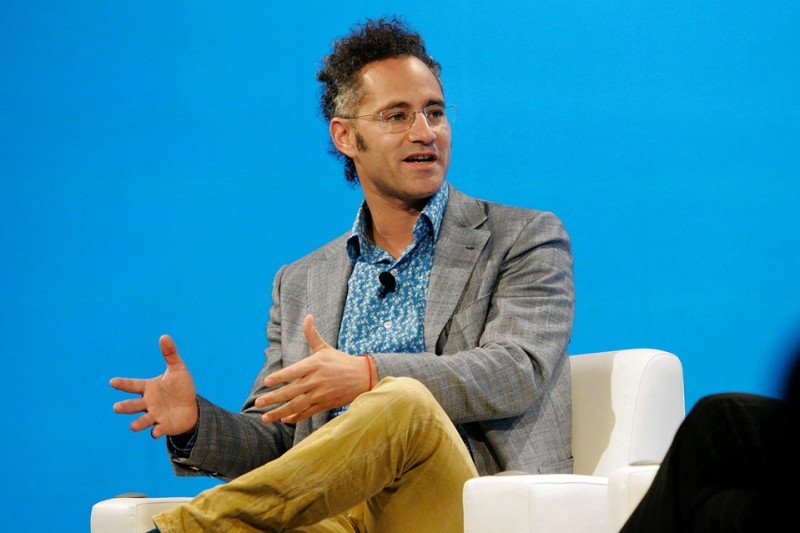
Right now, Karp's sitting on somewhere between $2 and $3 billion in net worth, though it bounces around depending on how Palantir's stock is doing. Here's the funny part—his actual salary as CEO of Palantir is $1. Literally one dollar. But his total compensation package tells a completely different story. Through stock awards and options vesting, Karp can pull in anywhere from $300 to $400 million in a single year. Palantir itself has become a beast, landing contracts with everyone from the Department of Defense to major Fortune 500 companies. The company's market cap has blown past $100 billion, and Karp still owns around 1-2% of it. Every time Palantir's stock goes up, his wealth climbs right along with it.
Karp's Success Playbook: What He Learned Building a Tech Giant

The CEO of Palantir has dropped some seriously useful wisdom about success over the years, and it's nothing like the typical startup guru advice. First off, Karp is obsessed with being different. He rocks his crazy hair and hiking boots to fancy business meetings on purpose. His whole thing is don't try to fit in because real innovation comes from people who think differently. He's said this a million times—if you're trying to look and act like everyone else, you're already losing.
Second, the guy is all about playing the long game. While Wall Street analysts were screaming at him to show faster growth and quarterly wins, Karp kept telling them to chill out. Building something that actually matters takes years, not months. He'd rather build slowly and create something lasting than chase quick wins that don't mean anything.
Third, Karp's a total fanatic about hiring the absolute best people, even if they're expensive or difficult to work with. He's been super clear about this—mediocre talent gets you mediocre results. Palantir's reputation for hiring elite engineers who are at the top of their game backs this up. He'd rather have ten brilliant people than a hundred average ones.
Fourth, resilience is everything to him. Palantir almost died multiple times during the first decade, and Karp credits their survival to simply refusing to give up when most people would have walked away. There were years when the company was hemorrhaging money and critics were saying it would never work. He just kept pushing.
Finally, and this might be the most important one, Karp believes you've got to have strong opinions even when everyone thinks you're wrong. Whether it's defending controversial government contracts or taking unpopular positions on tech regulation, he's never been scared to stand alone. His whole philosophy boils down to this: be yourself, think long-term, hire the best, never quit, and don't be afraid to be different. That's how you build something real instead of just chasing whatever's trendy.
 Sergey Diakov



