Alex Dudov
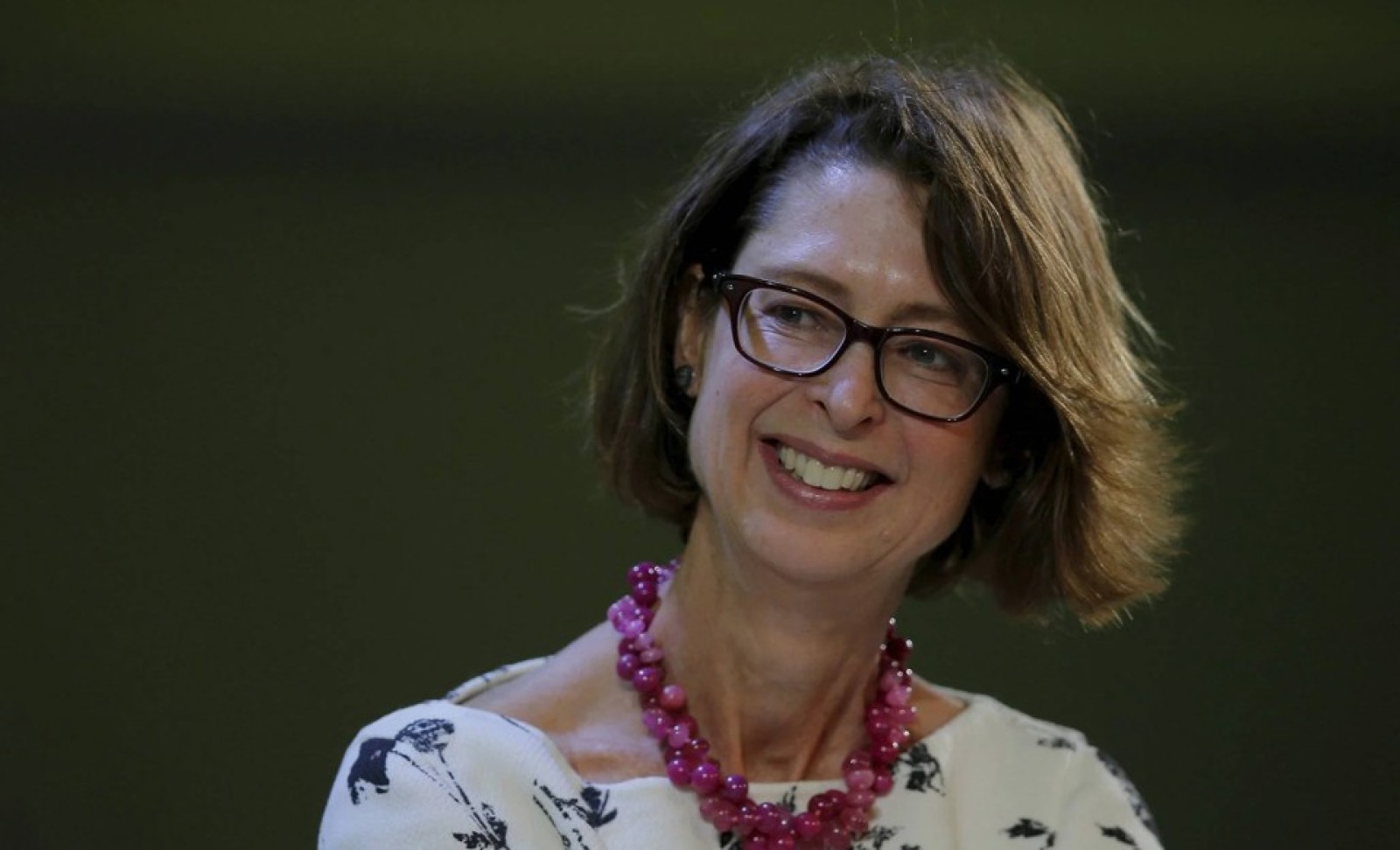
You'd think being the boss's daughter would guarantee an easy ride to the top. Not for Abigail Johnson. Sure, her grandfather founded Fidelity Investments, but she spent years grinding through entry-level jobs, managing portfolios during market crashes, and proving herself before anyone handed her the keys to one of the world's biggest investment firms. Today she's worth somewhere between $25-28 billion and runs a company managing over $5 trillion in assets. Here's how she actually got there.
How the CEO of Fidelity Earned Her First Paycheck

Abigail didn't start in a corner office. Back in the 1970s, while most rich kids were spending summers at the country club, she was at Fidelity answering customer service calls and doing paperwork. We're talking basic admin work that paid what you'd expect for a college student back then—nothing fancy.
After graduating from Harvard in 1984 with an art history degree (yeah, not even finance), she joined Fidelity full-time as an analyst. Her starting salary was around $40,000-50,000, which was decent money for a financial analyst in the mid-80s, but nowhere near executive pay. She was just another person crunching numbers and learning the ropes.
Building Her Way Up: The Long Road to CEO of Fidelity
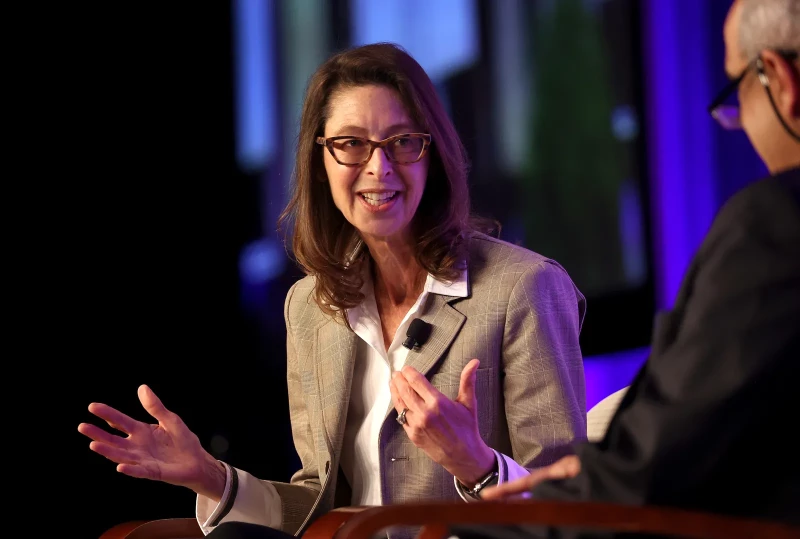
Johnson spent the late 80s and 90s managing mutual funds. Not glamorous stuff—just day-to-day portfolio management through good markets and bad. By the mid-90s, she'd worked her way up to senior portfolio manager, pulling in maybe $200,000-300,000 a year. Still a regular employee, just higher up the ladder.
The real turning point came in 2001 when her dad, Ned Johnson, put her in charge of Fidelity's employer services division. That's the 401(k) business—huge money, but also huge responsibility. Her compensation jumped to several million annually, combining salary with performance bonuses. She wasn't just riding on the family name anymore. She was running a massive chunk of the business and actually making money for the company.
Taking Over as CEO of Fidelity
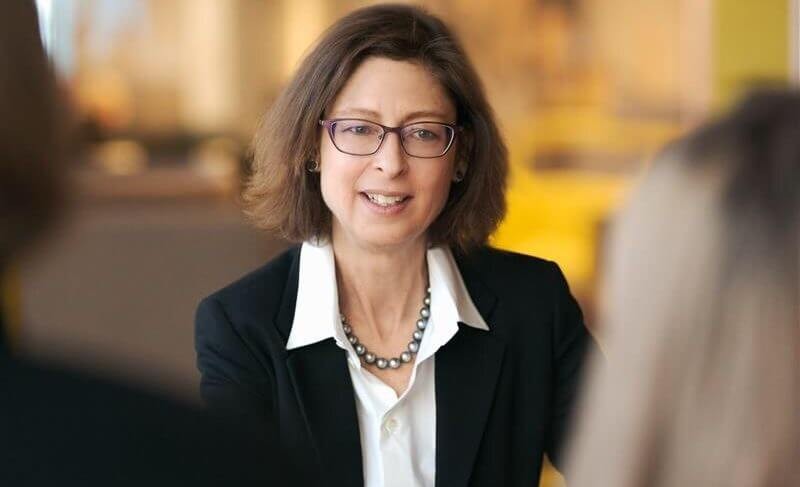
Johnson didn't get the top job overnight. She became president of Fidelity Financial Services in 2005, then president of Asset Management in 2012. Each step was carefully planned. Finally, in 2014, after her father ran the company for 40 years, she became CEO.
By then she was earning somewhere between $20-30 million a year through salary, bonuses, and stock options. She took over right when the investment world was getting turned upside down by tech startups and robo-advisors. Perfect timing to prove what she could do.
What She's Worth Now
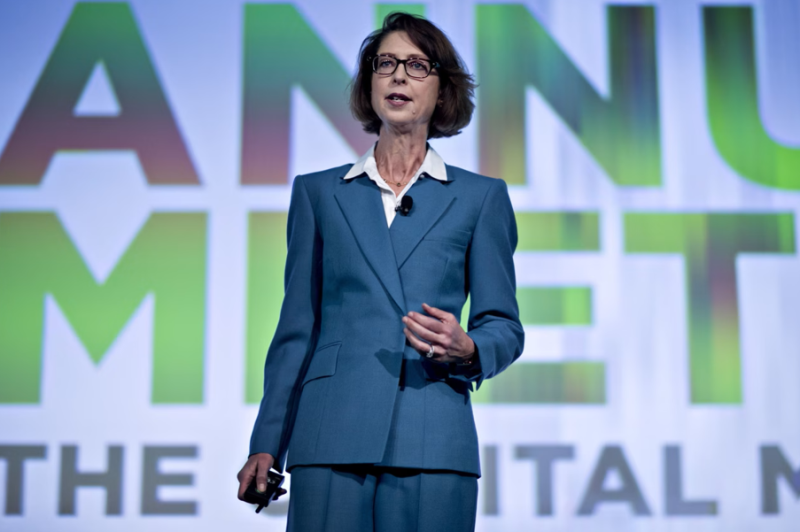
These days, Abigail Johnson sits on a fortune worth about $25-28 billion. She owns roughly 24.5% of Fidelity, which is still privately held, so we don't get exact numbers. As CEO of Fidelity, she makes an estimated $30-40 million annually, though the company doesn't have to disclose exact figures since it's private.
Under her watch, Fidelity jumped into cryptocurrency trading, launched zero-fee index funds, and stayed on top as America's biggest 401(k) provider. She's not just maintaining what her grandfather built—she's actually growing it.
How Johnson Says You Can Make It Big
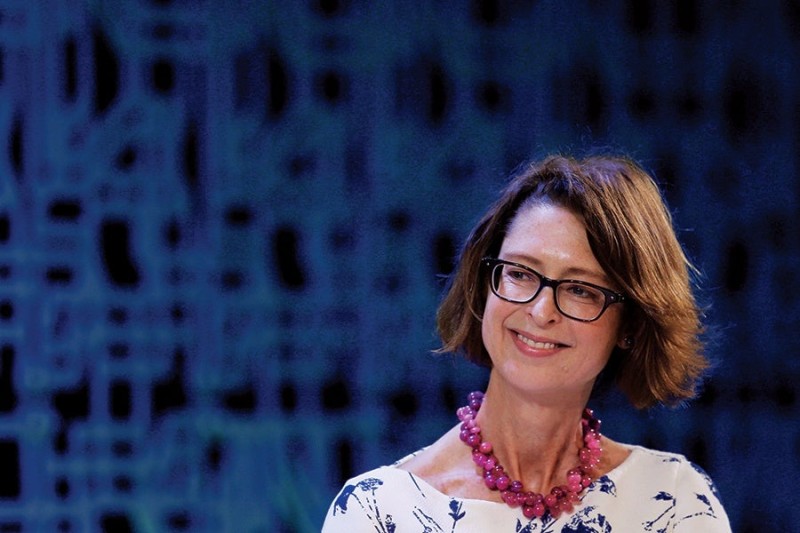
The CEO of Fidelity has some pretty straightforward advice about success. First off, she's big on earning respect through actual work, not just having the right last name. She deliberately worked through different departments to really understand how everything fit together.
Second, she's all about embracing new technology instead of being scared of it. That's why Fidelity got into blockchain and crypto early—she saw where things were heading and moved first.
Third, think long-term. Don't obsess over quarterly earnings when you should be building something that lasts. Her grandfather taught her that, and she's stuck with it.
Finally, Johnson believes you've got to be willing to screw up if you want to innovate. She's said it straight: "If you're not willing to fail, you're not going to innovate." She's poured billions into digital infrastructure and new investments that traditional finance folks thought were crazy. But that's exactly why Fidelity is still competing with all the hot fintech startups while keeping the trust they've built over three generations.
 Alex Dudov