Peter Smith
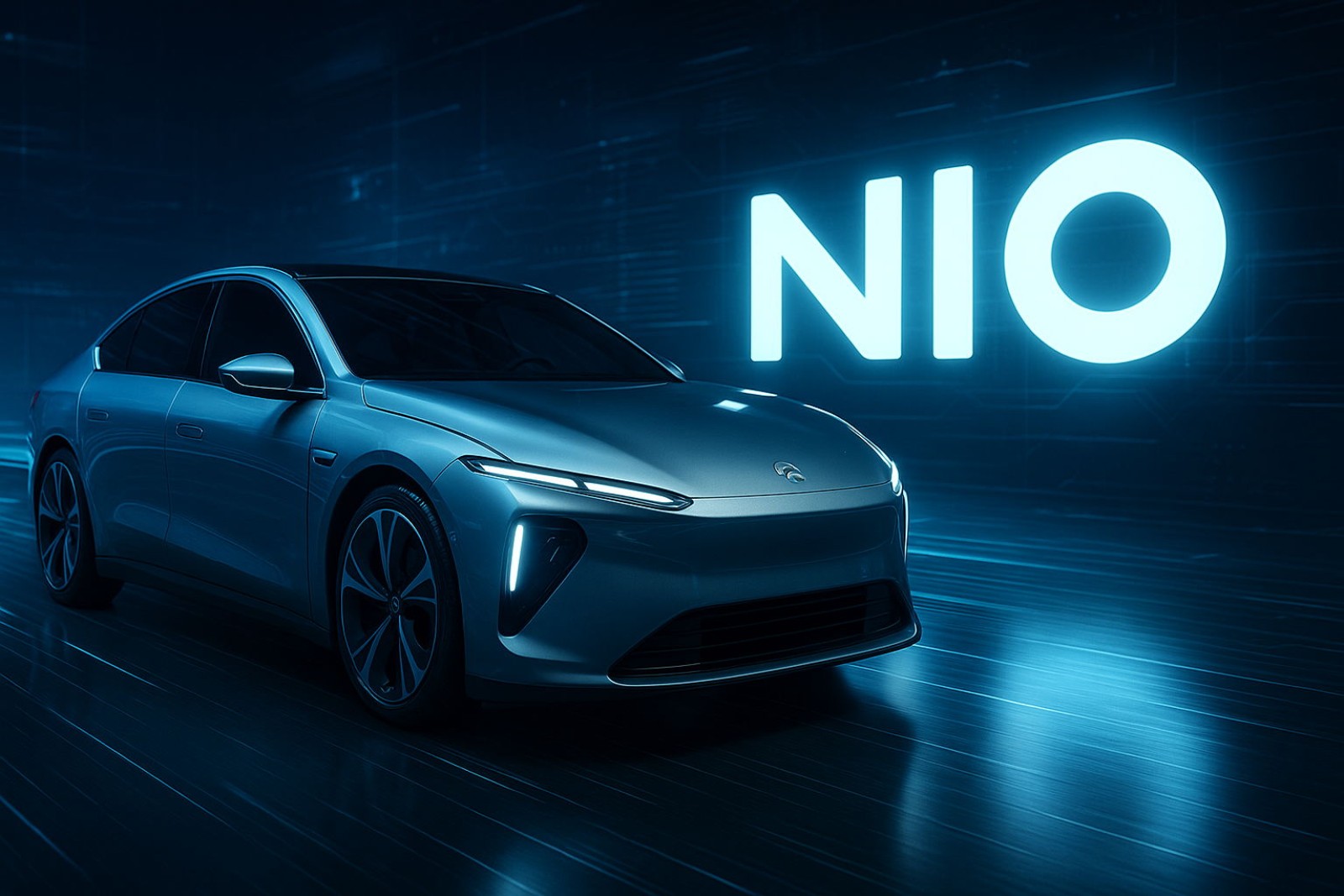
⬤ NIO just wrapped up a vehicle-to-grid pilot in Jiangsu province, China, testing whether its battery swap stations could actually help power the local grid when demand spikes. The project, done with GCL, used swap stations as flexible energy sources plugged straight into the grid.
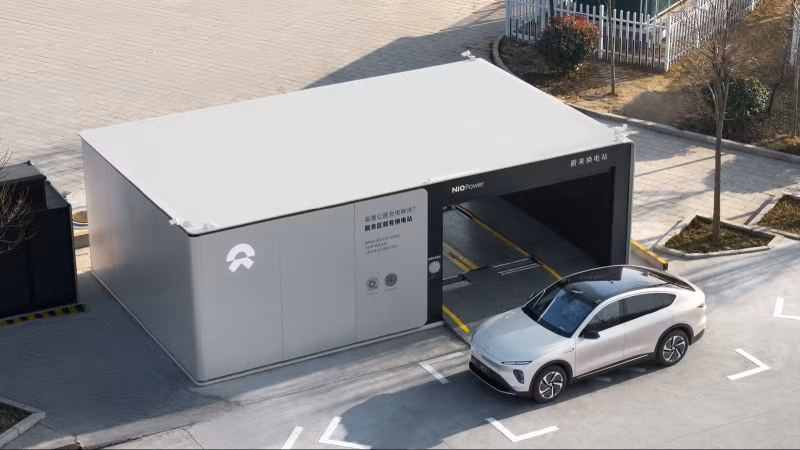
⬤ Six fourth-generation NIO swap stations pumped out a combined 1,540 kilowatts at peak output. The stations discharged about 15 percent of their stored power back to the grid while still keeping vehicle services running smoothly.
⬤ The pilot covered 70 facilities total—56 charging stations and 14 swap stations. That's 80 percent bigger than similar tests run in 2025, showing how fast NIO is scaling up these vehicle-to-grid experiments.
This test demonstrates how EV infrastructure can serve dual purposes—supporting both transportation needs and grid stability during critical demand periods.
⬤ Why this matters: EV infrastructure isn't just about charging cars anymore. As power grids deal with more renewable energy and unpredictable demand patterns, systems like NIO's could help balance the load. The test adds real data to discussions about using electric vehicle assets for grid management and energy resilience.
 Peter Smith