Usman Salis
When Apple distributes its quarterly dividend, one of the biggest beneficiaries sits in Omaha. Berkshire Hathaway's massive Apple stake continues generating tens of millions in passive income each quarter, with the latest payment reaching approximately $61.9 million. This figure reveals how Warren Buffett's signature buy-and-hold strategy converts into steady cash flow.
How Berkshire Earns $61.9M Per Quarter from Apple
Berkshire Hathaway held roughly 238.2 million Apple shares at the end of Q3. With Apple's quarterly dividend set at $0.26 per share, simple math shows Berkshire collecting about $61.9 million every quarter from this single holding.
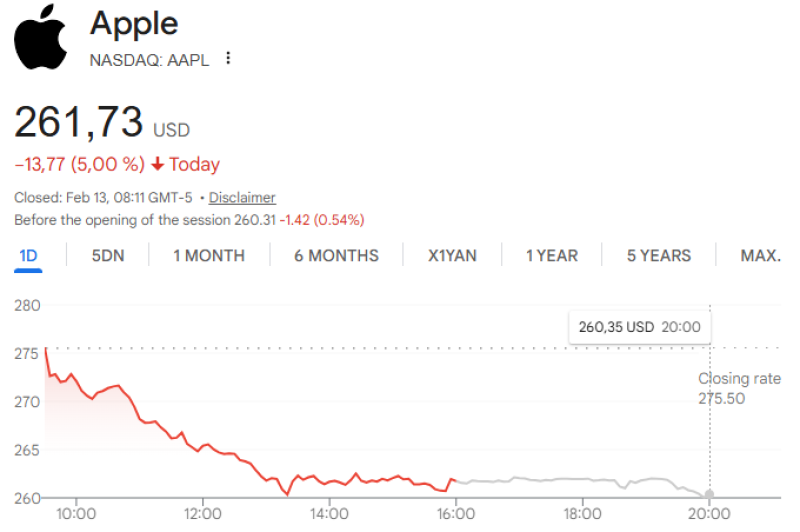
While a quarter per share sounds modest, institutional ownership changes everything. Berkshire's position is large enough that these regular distributions add up to meaningful capital that can be redeployed elsewhere or simply add to the conglomerate's cash reserves. This dynamic has been examined in depth in Apple's $709 Billion Buyback: A Decade of Unmatched Capital Power, which explores how Apple returns value to shareholders beyond dividends.
The Scale of Buffett's Apple Investment
Berkshire's Apple position remains one of the most watched holdings in Buffett's portfolio. The stake has been a cornerstone investment for years, though it hasn't been without scrutiny. Market observers continue tracking every adjustment Berkshire makes to its Apple exposure, knowing that even minor percentage changes can shift the investment landscape significantly. The relationship between position size and income generation is straightforward but powerful.
When you own hundreds of millions of shares, even small per-share payouts become substantial income events.
The implications of Berkshire's Apple strategy have been analyzed from multiple angles, including in Warren Buffett's Berkshire Missed $50B on Apple Stock, which examines the opportunity costs of portfolio adjustments.
Apple has maintained regular dividend payments while simultaneously executing massive share buyback programs. This dual approach to shareholder returns creates predictable income for institutional investors like Berkshire while also supporting share price appreciation through reduced share count.

For Berkshire Hathaway, these quarterly payments represent recurring cash flow that arrives without requiring any stock sales. The dividend acts as a form of passive income that compounds the total return profile of the investment over time, supplementing whatever capital gains the position generates.
 Usman Salis