Editorial staff
- There's gotta be a reason, right?
- Shipping Companies Won't Fight You On These
- The Math Makes Sense (Even Though I'm Bad at Math)
- She sent me a thank you card. I still have it somewhere...
- Your Boss Will Like The Price Tag
- You Can Get Pretty Much Any Size You Want
- Storing Them Doesn't Require a Forklift
- That Time Everything Sat In a Broken Truck In Arizona
- Why Warehouses All Use the Same Thing
- Not All Boxes Are Created Equal Though
- It's Boring But It Works
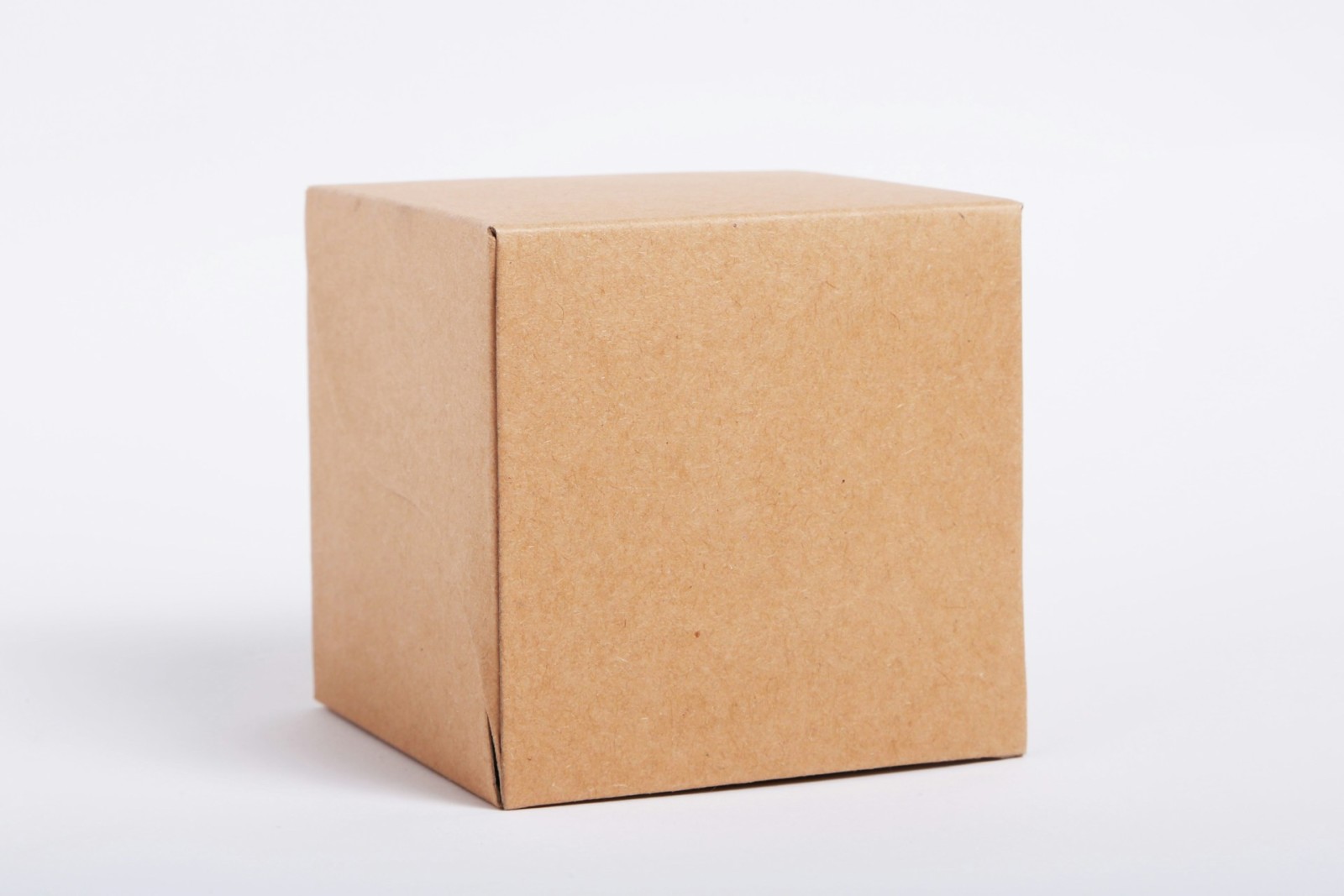
But walk into any warehouse. Any loading dock from here to the west coast. What do you see everywhere? Corrugated cardboard boxes. Stacked to the ceiling.
There's gotta be a reason, right?
That Wavy Middle Part Is Stronger Than You Think
Corrugated cardboard boxes — okay, here's the thing most people don't get. They're not just folded paper. I mean yeah, technically they ARE paper, but... it's engineered paper? That sounds weird. Let me start over.
See that wavy layer in the middle when you tear a box open? That's called fluting. And it's basically why these things can hold a ridiculous amount of weight without falling apart.
First time I saw it in action — I'm talking really SAW it — was this forklift guy at a distribution center. Total accident. He stacked like six boxes of metal parts on top of each other. Each box had to be 50, maybe 60 pounds. I'm standing there thinking "oh man, that bottom box is toast."
It just... held. Didn't even look stressed. Meanwhile I can barely stack three Amazon boxes in my garage without the whole thing toppling over. But that's different cardboard I think? Or maybe I just suck at stacking. Probably that.
Shipping Companies Won't Fight You On These
Okay this part is boring but stay with me because it matters.
FedEx, UPS, USPS — all those guys have rules. Like LOTS of rules about what they'll take and what they won't. And corrugated cardboard boxes? They're basically pre-approved everywhere. Certified. Whatever the official term is.
I cannot tell you how many times I've had to deal with rejected shipments because somebody tried to get creative with packaging. Wooden crate that's too heavy. Plastic bin that doesn't have the right labels. Some homemade thing wrapped in duct tape that the carrier just looks at and goes "yeah... no."
With regular cardboard boxes you just... don't have that problem. Pack it, tape it, slap a label on. Done. Nobody's calling you at 4pm saying your shipment got kicked back.
Places like The Boxery get this — they stock like a thousand different sizes because they know you need options that actually WORK with carriers. Not just boxes that look nice but get rejected at the hub. And their shipping is fast too, which... okay that sounds like I'm doing a commercial. But when you run out of boxes on a Friday afternoon it genuinely matters that you can get more by Monday. Just saying.
The Math Makes Sense (Even Though I'm Bad at Math)
Alright so there's this thing called strength-to-weight ratio. Sounds fancy. Basically it means corrugated cardboard is strong but doesn't weigh much.
Why should you care? Shipping costs. They charge by weight AND size. So if you're using these heavy wooden crates or thick plastic containers, you're literally paying to ship... the container. Not even your product. Just the box around your product. Which is kind of insane when you think about it.
I had this client a few years back — she made ceramics. Beautiful stuff, really artistic. But she was shipping everything in these wooden crates because she was terrified the pieces would break. Her shipping costs were KILLING her. Like she was barely making money after factoring in postage.
We switched her to corrugated boxes with some bubble wrap inside. Her shipping costs dropped almost 30%. I'm not exaggerating — thirty percent. Same products, same protection level, just lighter packaging.
She sent me a thank you card. I still have it somewhere...
The Recycling Thing (Which Apparently Matters Now)
Five years ago I didn't think much about environmental stuff. Not because I don't care — I do — but it just wasn't on my radar for work.
Then customers started asking. Like a LOT of customers. "Is this recyclable?" "Is this sustainable?" "Can I compost this?"
And corrugated cardboard boxes? They're basically the easy answer to all of that. Most are made from recycled material already. Then you use them. Then they get recycled again. It's like... I dunno, the circle of life but less dramatic than the Lion King version.
Compare that to plastic bins that'll be sitting in a landfill in the year 2300. Or styrofoam which — honestly I don't even know what happens to styrofoam. Nothing good probably.
Cardboard just breaks down. Naturally. Your customers don't have to feel guilty throwing it in the recycling bin. And some people even compost it? I haven't tried that but I've heard it works.
Your Boss Will Like The Price Tag
Money talk. Let's be real — that's what actually matters to most businesses.
Corrugated cardboard boxes are cheap. And I don't mean cheap like "this is gonna fall apart" cheap. I mean cost-effective cheap. Smart cheap.
You can order them bulk from places like The Boxery and the wholesale pricing is... look, I've compared a LOT of suppliers. Their prices make sense even if you're not ordering thousands at a time. You're not sitting there choosing between good packaging and staying profitable.
Plus they're light so shipping costs stay low. They store flat so you're not wasting warehouse space on empty containers. And they're disposable so you don't have some complicated return system like you would with reusable bins.
Someone should calculate the real cost of those reusable plastic totes sometime. Factor in return shipping, cleaning them, storage, keeping track of where they all are... I bet it's way more expensive than people realize. But that's just my theory. I haven't actually done the math because — remember earlier when I said I'm bad at math? Still true.
You Can Get Pretty Much Any Size You Want
Need a tiny 6x4x4 box? They make that. Giant 24x24x18? Yep. Something super specific like 14x9x7 because your product is a weird shape? Probably exists.
The flexibility is kinda underrated honestly. I've worked with companies selling everything from jewelry to industrial equipment and there's always a corrugated box size that works.
Oh and you can get custom printing too. I worked with this tea company once — really fancy loose-leaf stuff, the kind that costs like $30 for a tiny tin. They needed boxes that would survive shipping but also look nice enough that stores could put them straight on the shelf.
Corrugated retail boxes. Solved both problems. The boxes shipped fine, they looked professional, and the store owners didn't have to repackage anything. Win-win-win.
Actually I think that tea company went out of business last year. Not because of the boxes though — different issue. Their tea was too expensive probably. But the packaging was great.
Storing Them Doesn't Require a Forklift
You know what's genuinely annoying? Trying to store a bunch of rigid plastic containers. They don't stack nicely. They take up SO much space. And if you have limited warehouse room — which most small businesses do — it becomes this whole thing.
Corrugated boxes ship flat. You can store like hundreds of them in the same space that maybe twenty plastic bins would take. When you need one you just fold it up. Takes maybe five seconds? No tools, no instructions, no complicated locking tabs that never quite work right.
Just fold. Tape. Done.
And they're light enough that your employees aren't gonna throw their backs out moving empty packaging around all day. Which might sound like a small thing but when you're packing 50 orders a day, 100 orders... those little things add up. People get tired. Sore. Then productivity drops. Then everyone's cranky.
Or maybe that's just me projecting. I get cranky when my back hurts.
That Time Everything Sat In a Broken Truck In Arizona
Okay so personal story time. Few years ago my friend was moving from Ohio to Oregon. Cross country move, everything they owned packed up.
I helped them pack. We used corrugated cardboard boxes for literally everything. Books — which are way heavier than you think when you pack a whole box full. Dishes. Electronics. Clothes. All the random kitchen stuff nobody thinks about until you're trying to pack it.
Halfway through the trip — I wanna say somewhere in Arizona? The moving truck broke down. In July. Middle of summer. And not like "oh we'll fix this in an hour" broken. It took SIX HOURS to get it running again.
Everything just sitting there. In the heat. Arizona summer heat which if you've never experienced it... it's like being inside an oven. I think it was 110 that day? Maybe 115.
I was convinced — CONVINCED — that when they finally got to Oregon, everything would be destroyed. The boxes would've gotten soft from the heat. The bottoms would fall out. The cast iron pans would crash through. Something terrible.
Nope.
Every single box was fine. Not one crushed corner. Not one failed bottom. The box with the cast iron pans (which had to weigh 40 pounds easy) was perfectly intact. My friend sent me pictures because they couldn't believe it either.
That was actually the moment I stopped thinking of cardboard boxes as just... y'know, boxes. They're tougher than they look. Way tougher.
Why Warehouses All Use the Same Thing
Ever notice how every warehouse, distribution center, fulfillment place — they all use cardboard boxes? Pretty much exclusively?
It's not because they're boring. Or because nobody thought of alternatives. Trust me, people have tried LOTS of alternatives.
It's because corrugated boxes work. They've been tested. Certified. Used in the real world billions of times. Literally billions — I didn't make that number up. And they keep working.
When you're shipping thousands of packages every month you can't mess around with experimental packaging that MIGHT work. You need something reliable. Something that performs the same way every single time.
Especially when Karen from accounting is emailing you every 20 minutes about that rush order that absolutely has to ship today. Not that I'm bitter about that or anything. Karen's actually nice. But she does email a lot.
Not All Boxes Are Created Equal Though
Here's where I gotta add a disclaimer — not every corrugated cardboard box is good quality. I've definitely seen some cheap knockoffs that basically disintegrate if you breathe on them too hard.
The supplier matters. Like it genuinely matters.
The Boxery for example — they carry certified boxes made specifically for shipping carriers. They've got different grades depending on what you need. Regular strength for normal stuff. Heavy duty options if you're shipping actual heavy stuff. Even eco-friendly versions for the customers who ask about that.
And they have like a THOUSAND different sizes in stock. Which sounds excessive until you need a specific size box and they actually have it. Then it's perfect. Their wholesale pricing is solid too — I've done the comparison shopping because I'm cheap. I mean thrifty. Fiscally responsible.
Point is you're not gonna get stuck trying to cram your product into boxes that don't quite fit right. Wrong-sized boxes are their own special nightmare. Too big and you waste money on filler material. Too small and... well, it just doesn't fit. Obviously.
It's Boring But It Works
Look I'll just say it — cardboard boxes aren't exciting. They're not innovative. They're not gonna disrupt any industries or win design awards or whatever.
But they work.
They're affordable, they're reliable, they do the job without drama. And in an industry where margins are tight and everyone's watching costs... that's exactly what you need.
The corrugated cardboard box is the industry standard because it earned that spot. Through decades of actual use. Real world performance. Not marketing hype or trendy promises.
Will it change? Maybe someday someone invents something legitimately better. But I've been watching for fifteen years and nothing's come close yet.
So yeah. Boring brown boxes for the win I guess.
 Editorial staff