Editorial staff
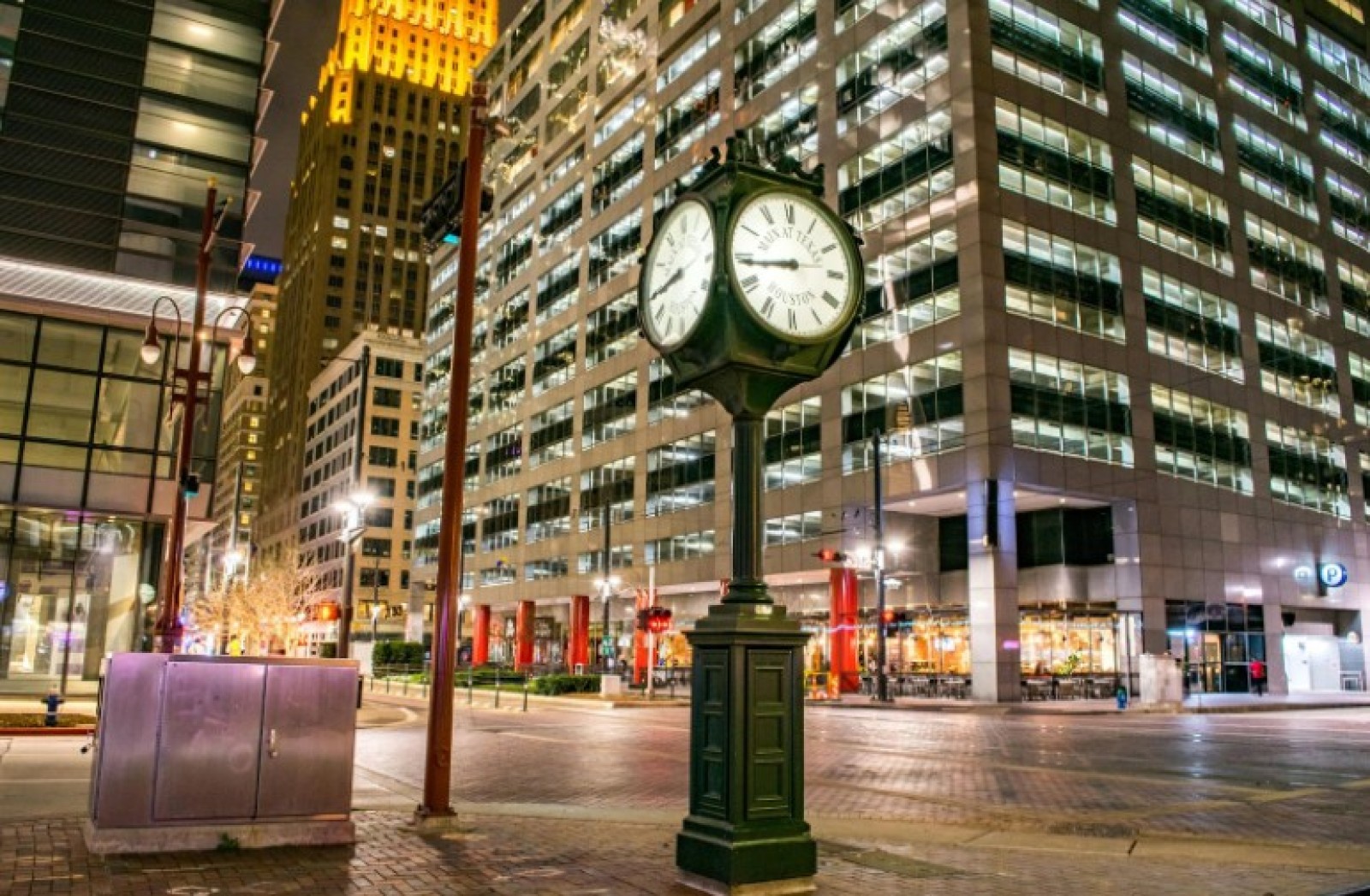
A few exits down the interstate, things turn into gridlock and constant horns. Drivers notice this when their car insurance quotes come back different from a friend's, even if they drive the same kind of truck or sedan. Those rate gaps come down to real patterns in each area - things like how packed the roads get, what kinds of claims pop up most, flood worries, and even how much it costs to fix a dented fender.
Rates in Houston average around $2,100 a year for basic coverage, higher than smaller Texas towns. Some ZIP codes push past $2,200, while others stay under that mark. Insurers pull data from years of accidents, thefts, and repair bills to set those numbers. A driver in a high-traffic spot pays more not because of bad luck, but because the odds stack up differently there.
Traffic Density Pushes Up the Numbers
Rush hour in Houston can stretch for hours. Parts of the city like the Energy Corridor or near the Galleria see cars stacked end to end on I-10 or Westheimer. That density means more bumps and scrapes - fender benders from sudden stops, sideswipes in tight lanes. Data shows Houston's full coverage runs about $2,231 yearly, above the state average, partly from all those close calls.
Neighborhoods closer to downtown or major job hubs face the worst of it. ZIP codes like 77002 or 77010 top the lists for pricey premiums, around $2,228 to $2,218, because crashes happen daily in that crush. A driver heading to work through there might dodge five near-misses before lunch. Insurers know the math: more cars rubbing together equals more claims, so they charge accordingly.
Out in suburbs like Katy or Cypress, traffic thins out some. Commutes still run long, but fewer vehicles mean fewer dings. Folks there often see rates dip below the city average, closer to $1,500 in spots. Still, if the neighborhood feeds straight onto a clogged beltway, that advantage fades quickly.
Crime and Claim Trends Hit Wallets Hard
Car theft and break-ins don't strike everywhere the same. Harris County logged high theft numbers even after a 25% drop in early 2025 - still above national averages at 154 per 100,000 people. Neighborhoods with those stats see premiums climb because insurers cover more stolen vehicles and smashed windows.
Areas around north Houston, like 77073 or 77032, show up in expensive ZIP lists partly from theft patterns. A car left overnight in a higher-crime pocket stands higher odds of getting broken into or towed away. Even if a driver never files a claim, living there tags the policy with that risk. Lower-crime spots, often with better lighting or gates, pull rates down - sometimes matching higher-income areas where theft dips.
Claims follow crime too. Vandalism or hit-and-runs pile up in busier, rougher zones, feeding data that keeps prices elevated. Houston's overall theft rate feeds into metro-wide hikes, making even safe drivers pay a bit extra for the area's reputation.
Flood-Prone Areas Add Serious Risk
Water turns Houston streets into rivers every few years. Neighborhoods near bayous or low spots face repeated flooding, and that directly bumps insurance costs. Average flood policies run $821 yearly citywide, but high-risk zones like AE or VE push toward $900–$1,200.
Places like Clear Lake or around 77062 deal with this most. Those ZIPs hit $2,006 or more for auto coverage, blending traffic risks with storm damage history. A car hydroplaning into a ditch or sitting underwater during a downpour triggers comprehensive claims. Insurers bake that frequency into rates, even for drivers who park high and dry.
Safer, elevated areas see lower add-ons for weather. Still, with hurricanes in mind, many add comprehensive anyway. It covers hail too, common across the sprawl. Skipping it in a flood zone leaves drivers exposed when the next big rain hits.
Repair Cost Variations Shape the Bill
Fixing a car costs different amounts block by block. Shops in upscale spots like River Oaks or The Woodlands charge more - higher rent, pricier labor. A windshield chip might run $50–$150 basic, but add luxury glass or recalibration for fancy sensors, and it climbs.
Insurers track these trends. If average claims in a neighborhood top $387 - like statewide repair averages - they adjust premiums up. Houston's urban density means more body shops, but demand in hot zones keeps labor at $155 an hour or so. Suburban growth in Pearland or Spring adds competition, sometimes easing prices there.
Vehicle type matters too. Newer cars with tech need specialized work, rarer in some areas. A simple bumper swap in a ritzy pocket costs more than out in Katy, where shops stay basic. Drivers pick cheaper-to-fix models to offset this, especially when hunting cheap car insurance Houston.
How These Factors Play Out Daily
Take two drivers with clean records, same age, same SUV. One parks in a quiet Memorial Villages spot - low traffic, low crime, low flood risk. Their quote lands around $1,800 yearly. The other squeezes into Montrose parking amid dense streets and occasional theft reports. That bill nudges toward $2,300, even with matching habits.
Neither did anything wrong. It's the neighborhood math at work. Traffic logs show twice the accidents in the denser area. Theft data tags higher risk. Repairs average 20% more nearby. Flood maps seal the deal for water-vulnerable streets.
What Drivers Notice Year After Year
Renewal notices bring the reality home. A move from a pricey ZIP to a cheaper one can shave hundreds off the premium overnight. Insurers refresh data yearly, so trends shift - falling thefts helped Harris County a bit in 2025, but baselines stay high.
Citywide, Houston tops Texas cities at $2,696 full coverage in some charts. Dallas trails at $2,504, Austin lower still. Local quirks explain it: endless sprawl, storm seasons, theft spikes. Drivers adapt by bundling home-auto, raising deductibles, or shopping rates that factor neighborhood rights.
Putting It Together for Smarter Choices
No two Houston blocks drive the same. A family in a flood country weighs comprehensively. A downtown commuter budget for traffic claims. Repair-savvy folks pick practical cars. Understanding these layers helps. Rates aren't random - they mirror local life, from stalled freeways to rainy nights. Spotting patterns lets drivers match coverage without overpaying. Neighborhood matters, but so does knowing why.
 Editorial staff