Editorial staff
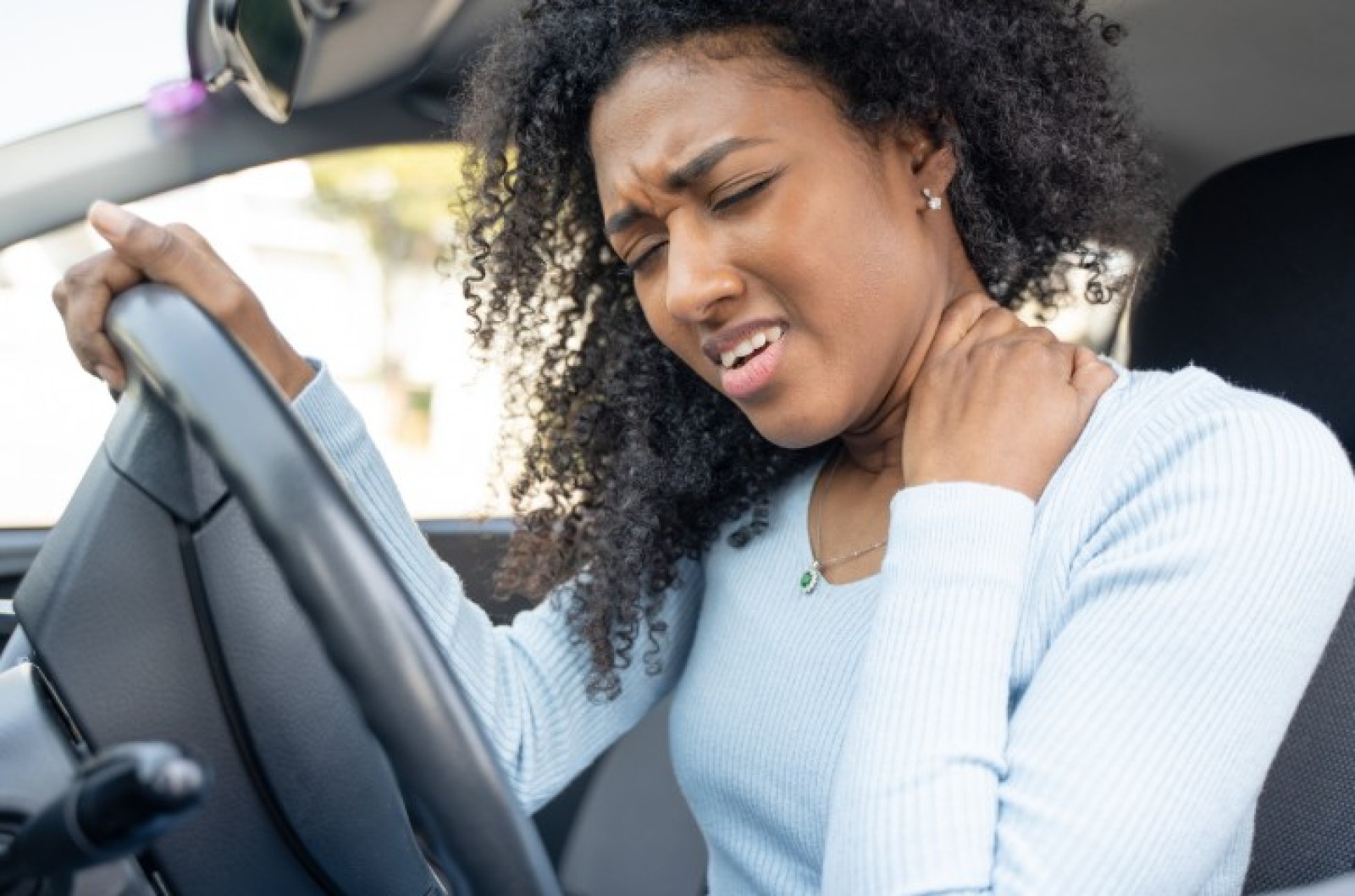
Let’s dig into how those carve-outs actually work and when you might still have a shot at full damages—whether you were a passenger, driving a work vehicle, or maybe the other driver did something criminal or the crash happened off public roads. If you’re not sure if your situation fits an exception, a San Gabriel Valley personal injury attorney is probably your best bet for real answers.
How Being Uninsured in California Affects Pain and Suffering Claims
Not having insurance after a crash can wipe out your shot at compensation for the stuff you can’t really put a price tag on, even if you can still recover for your out-of-pocket losses. California law treats non-economic damages differently when there’s an uninsured or at-fault party, and the rules here are, well, pretty specific.out-of-pocket losse
What Counts as Pain and Suffering and Non-Economic Damages
Pain and suffering are basically all that physical pain, emotional trauma, and the ways your life gets worse after an injury. Think: lingering aches, depression, anxiety, not being able to do what you love, scars or disfigurement, and even a spouse’s loss of companionship. Courts and insurance companies look at medical records, therapist notes, daily journals, and people who can vouch for how your life changed. In California, non-economic awards are supposed to cover these less tangible harms—totally separate from stuff like bills or paychecks—but whether you get them often depends on whether you were insured and what the law says in your exact situation.
Economic Damages You Can Still Recover
Even if you’re locked out of non-economic recovery, you can still chase down the financial losses from a crash. That typically means medical bills, future care you’re likely to need, lost wages, reduced earning power, and fixing or replacing your car. You’ll need receipts, bills, pay stubs, maybe even professional opinions about future care—courts want the paperwork. California law and insurance rules let you claim these out-of-pocket costs in most cases, even if you didn’t have insurance, though expect the insurer to fight you on what’s “reasonable” or what was really caused by the crash.
Key Rules of Proposition 213 and the Personal Responsibility Act of 1996
Proposition 213—also known as the Personal Responsibility Act of 1996—pretty much slams the door on non-economic damages if you’re an uninsured driver at fault in a crash. No pain and suffering, no compensation for life’s intangibles, if you didn’t have the right liability coverage when the accident happened. There are exceptions, but they’re narrow. If the at-fault driver was drunk and actually gets convicted of DUI, you might still be able to claim non-economic damages. The law overlaps with California Insurance Code §11580.2 and some other state statutes, so the details matter—insurance status, timing, and exactly how you plead your case all come into play. Honestly, a lot of these claims come down to proving you fit an exception, and the paperwork can get pretty technical.
Exceptions and Alternatives for Uninsured Drivers After a Crash
There are a few carve-outs and insurance workarounds that can sometimes open the door to pain-and-suffering awards, or at least get you compensated in other ways if you didn’t have liability coverage. The main paths? Legal exceptions that allow non-economic recovery, maybe using your own policy if you have one, and—let’s be real—having a lawyer who knows how to press your claim and gather what you need.
Who Can Still Recover Non-Economic Damages
California blocks non-economic recovery for drivers or owners without liability coverage, but there are some situations where you can still get full damages. Passengers in an uninsured car? They’re usually in the clear, since they don’t control the insurance. If you’re hurt by a government vehicle, your claim goes through the Government Claims Act, which does allow for non-economic damages—though it’s a whole different process. If you’re an employee driving a work car that wasn’t insured, you can still go after your employer or their insurance for the full range of damages. And if the other driver gets convicted of DUI, hit-and-run with injury, or something like vehicular manslaughter, that usually wipes out the bar on non-economic claims. It’s not always simple, but those are the main exceptions.
Uninsured and Underinsured Motorist Coverage (UM/UIM)
If you do have your own UM/UIM coverage, don’t forget to check it—it might cover your medical bills, lost wages, and even pain and suffering if the other driver didn’t have enough insurance (or any at all). UM kicks in if the other driver is uninsured; UIM if they’re underinsured. You’ll need to file notice on time and jump through a few hoops—proof of loss, paperwork, medical records, wage info, maybe even a recorded statement. Coverage limits and rules can get weird depending on your policy, so it’s worth reading the declarations page and endorsements. Miss a step, and your claim could get denied, so it pays to be thorough.
When things get complicated—like claims falling under Proposition 213 exceptions or chasing UM/UIM benefits—a personal injury attorney is usually your best bet. They'll dig up evidence, track down police and medical records, and figure out if that tricky criminal-conviction exception even applies. If a government vehicle's involved, expect your lawyer to handle the maze of administrative claims against public entities. And if you were hurt by an uninsured company car while working? Attorneys know how to look at employer liability from every angle. Most of the time, these lawyers work on a contingency fee, so you only pay if you win something. Honestly, talking to an attorney early on makes a huge difference—deadlines sneak up, insurers love to nitpick, and you want to make sure you’re getting every dollar you’re owed, whether that’s for pain and suffering or lost wages.
 Editorial staff