Editorial staff
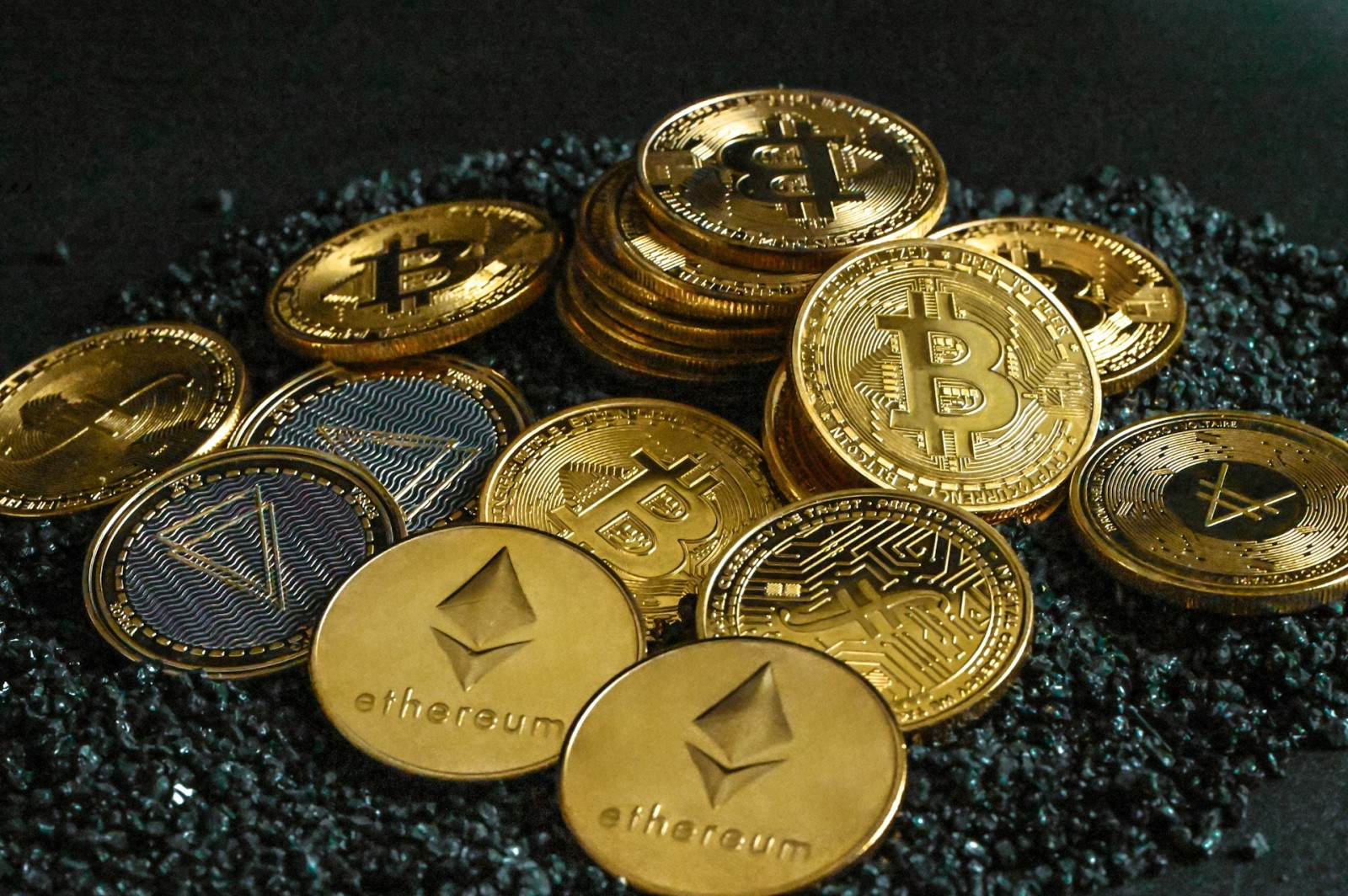
The crypto market is evolving at a rapid pace, and liquidity has become a cornerstone of efficient trading. Whether you’re an institutional investor, an exchange, or a high-volume trader, having access to reliable liquidity providers can make the difference between smooth execution and costly delays.
Liquidity providers ensure that buy and sell orders are filled quickly, spreads remain tight, and markets operate without unnecessary volatility. In 2025, the landscape of crypto liquidity is more diverse than ever. From centralized exchanges and OTC desks to market makers and decentralized liquidity pools, each provider type brings unique advantages and operational models.
Choosing the right partner requires understanding not only the technical capabilities of the provider but also their compliance, integration, and support frameworks. In this guide, we’ll explore the top crypto liquidity providers currently shaping the market, like WhiteBIT crypto liquidity solutions. We’ll highlight their core features, advantages, and the strategic benefits they offer for different types of traders and institutions.
Additionally, we’ll cover essential factors to consider when selecting a provider, helping you make informed decisions that align with your trading goals and operational needs.
What Is a Crypto Liquidity Provider?
A crypto liquidity provider (LP) is an individual, firm, or institution that supplies cryptocurrency to a market, ensuring that buyers and sellers can execute trades quickly and efficiently. LPs maintain active buy and sell orders, creating depth in order books and reducing the gap between bid and ask prices.
Without sufficient liquidity, markets become prone to high volatility, slippage, and unpredictable pricing, which can be especially problematic for large-volume trades or institutional operations.
Liquidity providers take many forms: centralized exchanges, OTC desks, market-making firms, and DeFi participants contributing to automated market makers (AMMs) or liquidity pools.
Each type serves different needs, from seamless trading execution to earning protocol incentives. In today’s crypto ecosystem, LPs are essential for maintaining price stability, efficient trading, and overall market confidence.
Why Crypto Liquidity Matters
Liquidity is the lifeblood of any financial market, and the crypto space is no exception. It determines how smoothly assets can be bought or sold without causing sharp price swings.
For traders and institutions alike, liquidity affects execution speed, transaction costs, price stability, and overall market efficiency. In illiquid markets, even modest trades can trigger large fluctuations, creating slippage and unpredictable results.
Key advantages of high liquidity include:
- Tighter Spreads: When a market has abundant buy and sell orders, the gap between the highest bid and lowest ask narrows. This reduces costs for traders, especially those executing frequent or large-volume transactions. Tighter spreads are particularly crucial for high-frequency trading and algorithmic strategies.
- Faster Execution: Liquid markets allow orders to be filled almost instantaneously. This is critical for institutional traders managing time-sensitive positions or reacting to market events. Reduced execution delays also minimize partial fills and prevent missed opportunities.
- Price Stability: High liquidity dampens volatility by absorbing large trades without dramatic swings. Markets with deeper liquidity tend to reflect true supply and demand, making price movements more predictable and reliable.
- Market Confidence: Traders and institutions are more likely to participate in markets that demonstrate consistent liquidity. Reliable liquidity fosters trust, encourages higher trading volumes, and supports overall market growth.
- Scalability for Large Trades: Institutions and hedge funds often need to execute substantial orders. Without sufficient liquidity, these trades can distort prices and negatively impact returns. High liquidity ensures that large transactions can occur discreetly and efficiently.
- Enhanced Risk Management: Liquidity reduces exposure to slippage and allows more accurate forecasting of potential trade outcomes. This is particularly valuable for portfolio managers and market makers who rely on precision for hedging strategies.
In 2025, institutional participation is rapidly increasing. For exchanges, OTC desks, and trading funds, liquidity is no longer just a convenience—it’s a strategic priority. Partnering with trusted liquidity providers ensures seamless execution, minimizes market disruption, and supports both operational and strategic goals.
Factors to Consider When Choosing a Liquidity Provider
If you want to know how to choose the best crypto liquidity provider, consider the following factors carefully:
Market Depth and Asset Coverage
A strong LP should offer deep order books across a wide range of cryptocurrencies. Evaluate whether they support the assets you trade most frequently, including major high-volume coins and emerging tokens.
Deep markets enable large trades without pushing prices unfavorably, preserving portfolio value and allowing flexible strategy execution. Comprehensive asset coverage also ensures that you can diversify positions and access liquidity for new investment opportunities.
Execution Speed and Reliability
Speed and consistency are critical. Evaluate latency, historical uptime, and order fulfillment reliability. Fast execution minimizes slippage, ensures trades happen at intended prices, and is particularly important for algorithmic or high-frequency trading. A provider with a track record of uninterrupted service reduces operational risk and enables confident market participation.
Pricing Transparency
Clear and predictable pricing structures allow traders to plan effectively. LPs may charge spreads, fixed fees, or a combination. Understanding the cost model helps avoid unexpected expenses and ensures profitability. Transparent pricing also builds trust, especially when executing high-volume trades or engaging in long-term strategic operations.
Integration Capabilities
For exchanges and institutional clients, technical integration is essential. Top LPs provide APIs, SDKs, or direct system connections that allow seamless integration with trading platforms, portfolio management tools, and reporting systems. Efficient integration reduces manual intervention, streamlines workflows, and supports real-time decision-making.
Regulatory Compliance
Regulatory adherence is a cornerstone of reliable liquidity provision. Providers that follow licensing requirements, KYC, AML, and reporting standards offer legal security and mitigate operational risk. Compliance is especially critical for institutional clients concerned with audits, governance, and long-term sustainability.
Reputation and Track Record
Proven reliability is non-negotiable. Evaluate an LP’s operational history, client base, and market standing. Companies that provide liquidity with strong reputations are less likely to experience disruptions or liquidity failures, which can have severe financial consequences. Reputation also indicates trustworthiness, essential in a market where large volumes and high stakes are standard.
Support Services
Access to dedicated account managers, real-time reporting, and risk monitoring tools enhances operational efficiency. Personalized support ensures rapid response to technical issues, market changes, or account-specific questions. For large or institutional traders, these services are critical for maintaining smooth operations.
Cost Structure
Analyze all associated costs, including spreads, fees, and additional service charges. Balance cost considerations with execution quality, coverage, and reliability. The ideal LP delivers competitive pricing without compromising speed, regulatory compliance, or market access.
Risk Management Practices
Effective LPs employ robust risk management strategies, such as portfolio hedging, market monitoring, and automated safeguards. Understanding a provider’s risk protocols is vital, particularly in volatile markets, to prevent unexpected losses and ensure market resilience.
Flexibility and Customization
Finally, consider the LP’s ability to tailor solutions to your specific needs. Whether it’s volume thresholds, API features, reporting formats, or integration with internal systems, flexibility enhances operational efficiency and aligns the provider’s services with your trading objectives.
List of 10 Best Crypto Liquidity Providers
Before diving into the crypto liquidity providers list, it’s important to recognize that top LPs differ in focus, service model, and market approach. Some excel in OTC execution, others in centralized exchange liquidity, and some focus on DeFi solutions. Selecting the right provider depends on your trading needs, volume, risk tolerance, and preferred markets.
WhiteBIT Crypto Liquidity Solutions
WhiteBIT provides high-quality liquidity for exchanges, institutional clients, and OTC trading. Key features include deep order books, low spreads, fast execution, and extensive asset coverage.
Its regulatory-compliant framework ensures security and legal reliability, making it a strong choice for professional traders and institutions seeking predictable execution. Integration with trading platforms is smooth, and dedicated support enhances operational efficiency.
Binance Liquidity Services
Binance offers extensive centralized exchange liquidity and OTC solutions. It supports numerous trading pairs with high volume, ensuring tight spreads and fast execution. Advanced API integrations allow institutional traders to automate trading strategies effectively.
Kraken Liquidity
Kraken provides deep liquidity across major cryptocurrency pairs and OTC services. Known for regulatory compliance and secure trading, Kraken caters to both retail and institutional clients. It offers APIs for seamless integration and risk management.
Coinbase Prime Liquidity
Coinbase Prime offers institutional-grade liquidity and market access. It combines OTC services with centralized exchange liquidity, providing low slippage and fast execution. Security and compliance are top priorities, with detailed reporting and audit-ready operations.
Bitstamp Liquidity
Bitstamp maintains reliable liquidity across multiple major cryptocurrencies. Its OTC desk enables large-volume trades without impacting market prices, and API integration supports algorithmic trading for institutional clients.
Genesis Trading
Genesis focuses on OTC liquidity for institutional clients, providing personalized service, large-volume execution, and competitive pricing. Its expertise in high-volume markets makes it ideal for hedge funds and crypto funds.
Jump Trading
Jump Trading supplies deep liquidity with professional market-making strategies. It operates across centralized exchanges and OTC platforms, prioritizing speed, low spreads, and consistent market depth.
Wintermute
Wintermute is a leading market maker and LP in both centralized and decentralized markets. It offers low slippage, high-frequency execution, and advanced integration for institutional clients.
Cumberland (DRW)
Cumberland specializes in OTC liquidity, focusing on discreet large-volume transactions. It is known for tight spreads, reliable execution, and personalized account management.
B2C2
B2C2 provides OTC liquidity and algorithmic market-making services. It covers multiple assets and exchanges, offering institutions fast execution, competitive pricing, and transparent reporting.
Crypto Liquidity Providers vs Crypto Market Makers
While both cryptocurrency liquidity providers (LPs) and market makers play crucial roles in maintaining market fluidity, their functions and operational approaches differ. Liquidity providers primarily focus on ensuring that markets have sufficient depth and access, enabling seamless trading across multiple platforms.
They can include centralized exchanges, OTC desks, institutional liquidity firms, and even decentralized liquidity pools. Their goal is to bridge gaps between buyers and sellers, reduce slippage, and facilitate large or frequent trades without significantly impacting prices.
Market makers, on the other hand, actively quote both buy and sell prices for specific assets to maintain consistent spreads. They continuously adjust their positions and often employ sophisticated hedging strategies to manage risk while keeping markets orderly. Market makers are typically specialized firms or dedicated trading desks that thrive on maintaining liquidity for targeted markets, profiting from the spread between bid and ask prices.
Understanding this distinction is essential for traders and institutions. While LPs provide broad market access and depth, market makers ensure tight pricing and active order flow. Selecting the right partner depends on your trading strategy, volume, and whether you prioritize execution efficiency, pricing stability, or access to multiple trading venues.
Conclusion
Selecting a top crypto liquidity provider is critical for smooth trading, low slippage, and reliable execution. Consider market depth, execution speed, pricing transparency, regulatory compliance, integration, and support.
The best crypto exchange liquidity providers combine regulatory security, extensive asset coverage, and robust integration, making them a strong choice alongside established competitors. By choosing the right provider, traders, and institutions can maintain efficiency, confidence, and performance in the evolving crypto market.
FAQ
What is a liquidity pool?
A liquidity pool is a collection of funds locked in a smart contract that enables decentralized trading on AMMs. Traders interact with the pool to swap assets, while liquidity providers earn fees or rewards based on their contribution.
How do liquidity providers manage risk during volatile markets?
Providers use hedging strategies, diversified portfolios, algorithmic trading, and real-time monitoring to reduce exposure to sudden market swings and protect capital.
How can exchanges or brokers integrate with liquidity providers?
Integration typically occurs via APIs, SDKs, or direct platform connections, allowing automated order execution, reporting, and risk management. Technical compatibility and support are essential for smooth integration.
 Editorial staff