Editorial staff
In this guide, we’ll break down the most common t-shirt printing methods and provide clear advice to help you choose the best option for your project.
1. Understanding T-Shirt Printing Methods
There are several t-shirt printing methods available today, each offering distinct advantages and limitations. The right choice depends on factors like design complexity, fabric type, quantity, and budget. Before diving into specific techniques, it’s important to know what each method involves and which is best suited to your project’s needs. Whether you need a simple design for a large order or a detailed graphic for a smaller batch, understanding these methods will help guide your decision-making process.
2. Screen Printing
What is Screen Printing?
Screen printing is one of the most traditional and widely used printing methods. In this process, a stencil (or screen) is created for each color of the design, and ink is pushed through the screen onto the fabric using a squeegee.
Pros of Screen
Printing Screen printing is known for producing vibrant colors that are highly durable. It works best for bulk orders, as the setup costs for screens are spread over a large number of shirts. This method can handle simple designs, logos, and bold, solid colors with ease, making it ideal for large-scale projects.
Cons of Screen Printing
While it’s great for large orders, screen printing is not the best option for smaller runs. The setup process can be time-consuming and costly, especially for intricate or multi-colored designs. The more colors you use, the more screens you need, which increases both time and expense. Additionally, screen printing doesn’t work well for designs that require fine details.
Best For
Screen printing is perfect for high-volume orders where the designs are simple or consist of just a few colors. It's commonly used for event t-shirts, promotional products, or company uniforms.
3. Direct-to-Garment (DTG) Printing
What is DTG Printing?
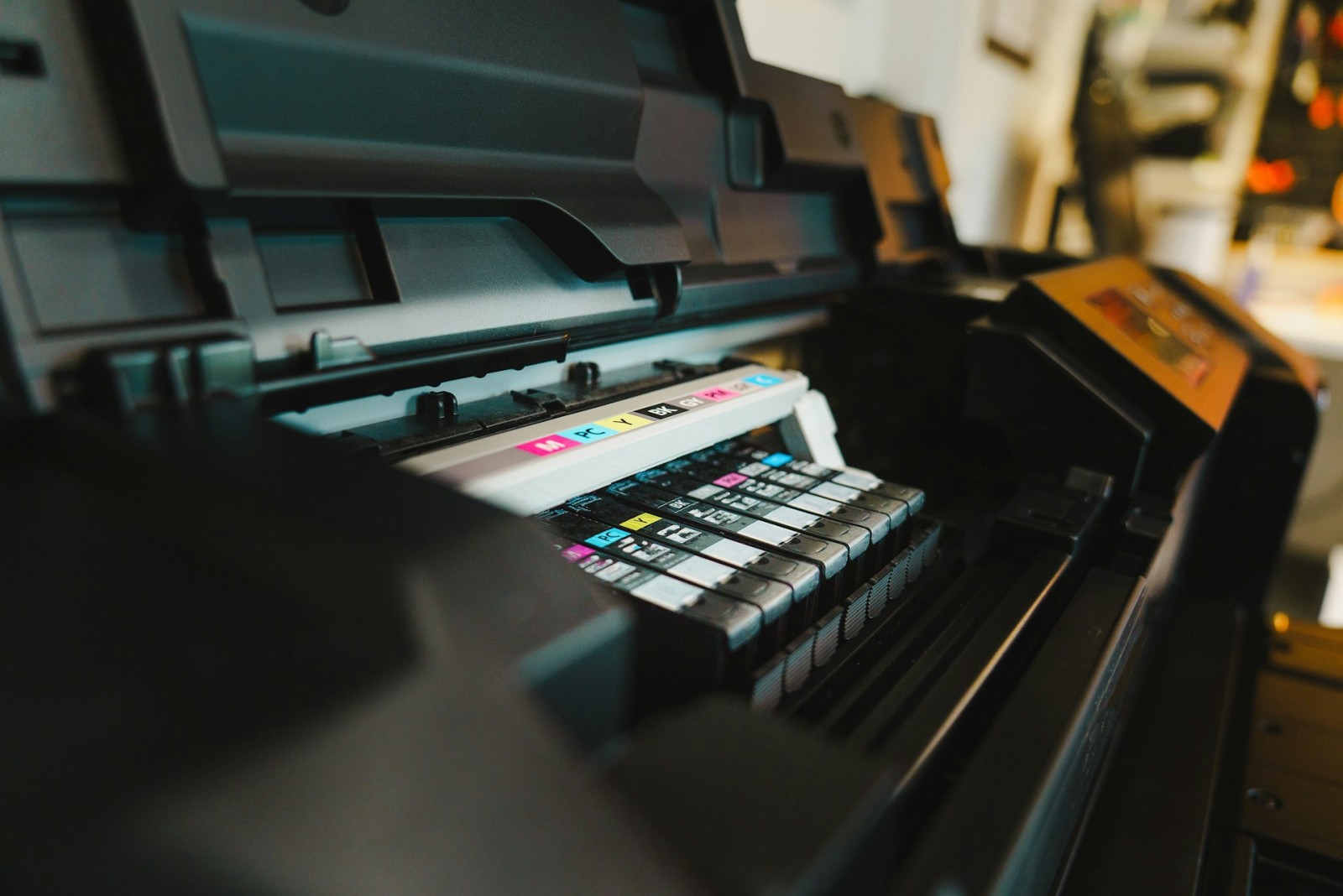
DTG printing is a relatively newer method that uses inkjet technology to print directly onto the fabric. The printer applies ink in a layer directly onto the shirt, similar to how a home inkjet printer works.
Pros of DTG Printing
DTG printing allows for highly detailed and complex designs. It works well with a wide range of colors and gradients. Since there are no screens or stencils involved, there’s little setup time, making it a great option for smaller runs or custom designs. The prints are soft and feel like part of the fabric, providing a comfortable, high-quality finish.
Cons of DTG Printing
While DTG offers high-quality prints, it can be more expensive per unit than other methods, especially for large orders. Additionally, DTG printing works best on cotton fabrics, as the ink has trouble adhering to synthetic fibers. The print may also not be as durable as other methods, fading more quickly over time with frequent washing.
Best For
DTG printing is ideal for small to medium-sized orders, custom designs, and highly detailed artwork. It’s great for personalized t-shirts, one-off designs, and smaller businesses offering unique products.
4. Heat Transfer Printing
What is Heat Transfer Printing?
Heat transfer printing involves printing a design onto transfer paper or film and then applying it to the fabric using heat. The heat presses the design onto the material, bonding it with the fabric.
Pros of Heat Transfer Printing
This method is simple, flexible, and relatively inexpensive. Heat transfer printing allows for highly detailed, full-color designs and is easy to set up. It’s a great option for short-run printing and custom orders, as it doesn’t require specialized equipment beyond a heat press.
Cons of Heat Transfer Printing
One downside is that heat transfer prints tend to be less durable than other methods. Over time, the print may crack or peel, especially if the shirt is washed improperly. Additionally, the feel of the print can be thicker and less soft than other methods.
Best For
Heat transfer printing works well for one-off custom shirts or small runs, especially when personalization is key. It's commonly used for creating personalized gifts, sports jerseys, or limited-edition items.
5. Sublimation Printing
What is Sublimation Printing?
Sublimation printing uses heat to turn dye into gas, which is then absorbed by synthetic fibers, typically polyester. The ink bonds directly with the fabric fibers, resulting in vibrant, long-lasting prints.
Pros of Sublimation Printing
The major benefit of sublimation printing is the durability and vibrancy of the prints. The colors are rich, and since the ink becomes part of the fabric, it won’t crack or peel over time. Sublimation is ideal for all-over prints and can cover the entire shirt with a design.
Cons of Sublimation
PrintingSublimation is limited to polyester fabrics and works best on light-colored materials. It’s not effective on natural fibers like cotton, and the design may appear muted or washed out if used on darker fabrics.
Best For
Sublimation is ideal for full-color designs, all-over prints, and products like sportswear, custom team apparel, and promotional products made from polyester.
6. Direct-to-Film Printing (DTF Transfer)
What is DTF Transfer Printing?
Direct-to-film printing involves printing a design onto a special film, which is then transferred onto the fabric using heat. DTF offers a flexible and high-quality solution for a range of fabrics.
Pros of DTF Transfer Printing
DTF printing offers high-quality, full-color prints with great durability. It can be used on a variety of fabric types, including cotton, polyester, and blends. One of the key advantages is its ability to print on dark-colored fabrics, which many other methods struggle with. The process also requires less setup than screen printing, making it a cost-effective choice for small to medium-sized orders.
Cons of DTF Transfer Printing
The main downside of DTF printing is the need for specialized equipment, which can be costly. Additionally, while the prints are durable, they may not have the same soft finish as DTG prints.
Best For DTF printing is ideal for businesses looking to print on a variety of fabrics, including dark shirts, while maintaining high-quality prints. It’s especially popular for custom apparel shops and businesses with medium to high-volume orders.
7. Vinyl Cutting
What is Vinyl Cutting?
Vinyl cutting involves cutting designs out of colored vinyl sheets and applying them to fabric using a heat press. This method is often used for text-based designs, logos, and numbers.
Pros of Vinyl Cutting
Vinyl cutting produces sharp, clean edges and is very durable. It’s a great choice for simple logos, sports team numbers, or personalized text. The vinyl material is flexible and long-lasting, providing a professional finish.
Cons of Vinyl Cutting
Vinyl cutting isn’t ideal for complex designs or full-color prints. Each layer of vinyl needs to be cut and applied separately, which can be time-consuming. It also doesn’t work well for designs with gradients or intricate details.
Best For
Vinyl cutting is perfect for simple, bold designs or text-based prints. It’s commonly used for custom sportswear, personalized t-shirts, or small-run promotional items.
8. Choosing the Right Method for Your Needs
With so many options available, how do you decide which method is right for you? Consider the following factors:
- Design Complexity: If you have a complex, multi-colored design, DTG or DTF printing may be your best bet.
- Order Size: For large orders, screen printing is typically the most cost-effective, while smaller orders can benefit from DTG or heat transfer.
- Fabric Type: Some methods work better on specific fabrics. For instance, sublimation is best for polyester, while screen printing is more versatile.
- Durability: For long-lasting prints, screen printing, sublimation, and DTF tend to offer the best durability.
Conclusion
Choosing the right t-shirt printing method depends on a variety of factors, including your design, fabric choice, order size, and budget. Each printing method has its strengths and weaknesses, so understanding the specific needs of your project will help you make the best decision. Whether you choose screen printing for bulk orders or DTF printing for versatile, high-quality results on a variety of fabrics, the right method will ensure your custom t-shirts turn out just as you envisioned. Take the time to explore your options and choose the method that aligns with your goals.
 Editorial staff