Editorial staff
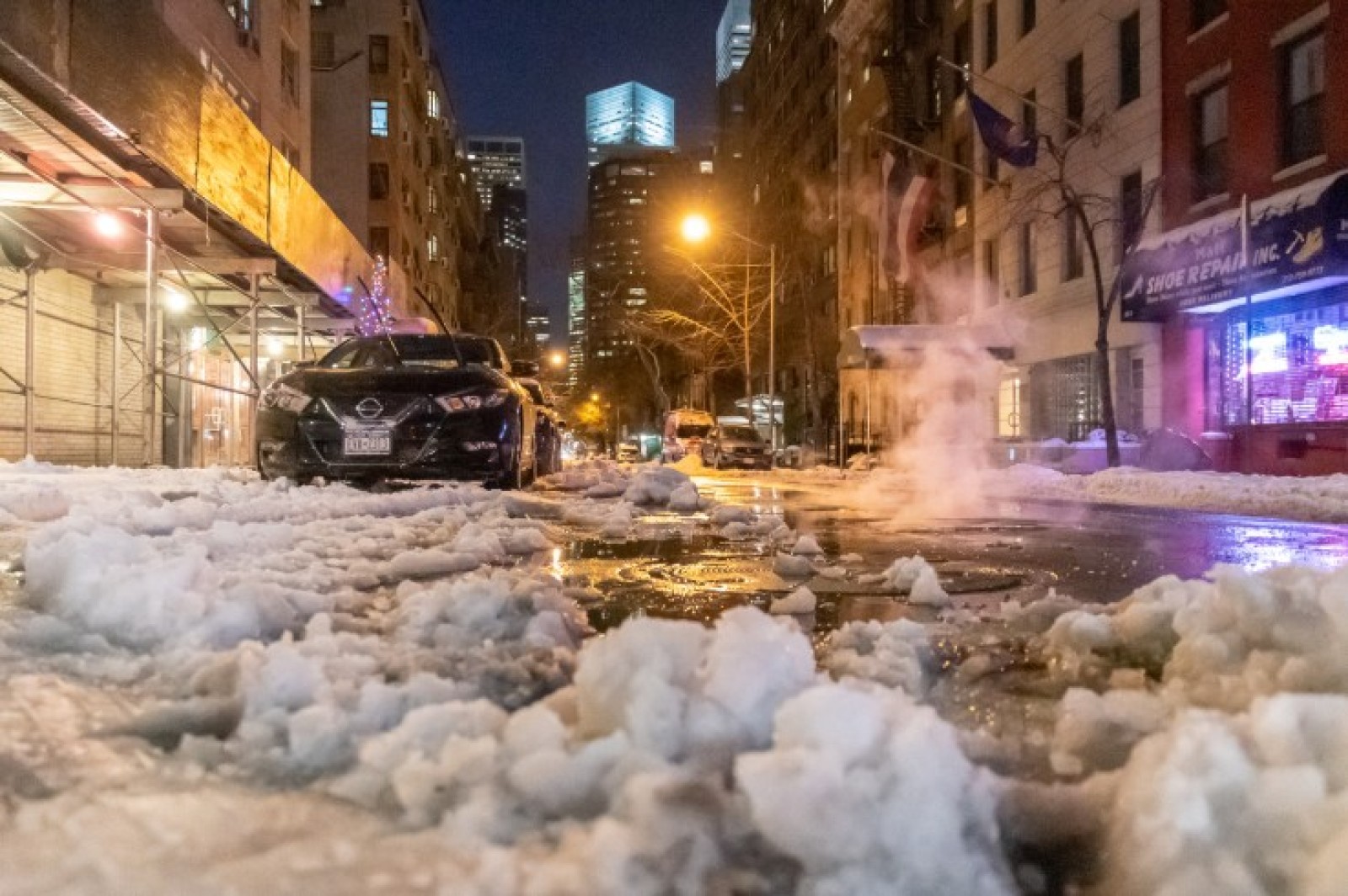
Ever wondered if just one photo could tip the scales in a black ice claim here in New York City? Or which so-called “facts” about black ice actually stand up to scrutiny? Honestly, a clear, time-stamped shot that captures the frozen patch, the weather, and the total lack of warning signs can totally change the way a case plays out. That kind of visual evidence? It really slices through all the back-and-forth about who should’ve done what, and when.
You’ll find a lot of myths get poked at—like the idea that black ice pops up out of nowhere, or that it’s just impossible to avoid, or that the city’s always on the hook. We’ll get into real examples, what’s actually being enforced these days, and how all that fits into legal claims and shifting policies. There’s also a look at how a simple photo works with witness statements and official records to shape the outcome, plus some practical steps to take if you’ve fallen—like, yeah, reaching out to NYC slip and fall injury attorneys for a consult isn’t a bad idea.
NYC Black Ice Myths and the Power of Photos
Black ice incidents in Manhattan? They’re notorious for sparking a mess of conflicting stories, official write-ups, and bystander opinions. More often than not, it’s the photos and other visuals that end up deciding which story sticks in court or even in city safety reviews.
Myths About Black Ice Incidents in New York City
Plenty of folks think black ice is just a problem in the outer boroughs—but nope, you’ll find it all over Manhattan: on sidewalks, under train tracks, tucked in the shade by building doors. People sometimes insist a sidewalk was “obviously untreated,” but then you check city records or sanitation logs and, well, turns out it was salted an hour ago. There’s also this idea that the NYPD always documents every slip right away. Honestly? It depends on which unit gets the call and what else is happening that day, so those reports can be hit or miss.
Another common misconception: if you slip, the city’s automatically liable. Not really. It comes down to whether they had notice, if maintenance was reasonable, and when the hazard was reported—not just the fact that ice was there. Public safety campaigns and city rules matter, sure, but they’re no substitute for actual proof about when and where the ice showed up.
Role of Documentary Evidence in Black Ice Cases
Photos, maintenance logs, 311 complaints, even old security footage—they’re the backbone of most slip-and-fall claims involving ice. A photo snapped right outside a building or at a subway entrance, especially if it’s timestamped, can tie the hazard to a specific spot and time. Sanitation logs or invoices for de-icing? They help fill in the picture about whether the city or a landlord did what they were supposed to.
NYPD reports and patrol notes can back up an injured person’s timeline. Medical records tie the injury to the slip itself. But here’s the thing: if you can’t show where that photo came from or when, it loses a lot of punch in negotiations or at trial. Chain of custody and metadata aren’t just lawyer talk—they matter.
How a Single Photo Can Shift Legal Outcomes
One good photo can totally change how much a case is worth, how lawyers argue it, and whether the city’s adjusters even want to talk. Say you’ve got a picture of an untreated patch outside a busy Manhattan shop, no cones, lots of people walking by—that really undercuts any defense about the ice being sudden or impossible to predict. On the flip side, a shot of fresh salt or warning cones can help the defense show they did what they could.
Lawyers will dig into photo details—timestamps, device info, whether it’s been edited—to make sure it’s legit. If they can line up that photo with a 311 complaint and NYPD logs, suddenly the evidence gets a lot stronger. Photos snapped by passersby, building security, or even transit cameras? Those can be game-changers for both settlement value and credibility in court.
Changing Dynamics in Black Ice Legal Claims: Enforcement, Community, and Policy
This part gets into how changes in enforcement, public perception, and even city politics have shifted legal claims—especially for Black communities dealing with immigration actions. Where do these incidents happen? Who steps up? And how does the public’s reaction change the value or strategy of a case? It’s not always straightforward.
Recent High-Profile Cases and Notable Streets in Dispute
There’ve been some headline-grabbing incidents in Lower Manhattan and around Canal Street, especially when federal agents rolled out immigration operations. More and more, plaintiffs are pointing to civil rights violations and cases of mistaken identity—especially when Black residents, whether citizens or immigrants, get stopped during sweeps near subway stations, corner stores, or apartment buildings.
Big-name litigants and city officials have leaned on facts from these cases to push for clearer arrest rules and tighter limits on how much info city cops can share with federal agencies. Photos from these blocks—circulated by the media—often end up as key evidence, showing when things happened, how much force was used, and which vehicles or agents were actually there.
Influence of Law Enforcement and Federal Agent Actions
Federal agents from Homeland Security and ICE have switched up their playbook since the Trump era, sometimes launching sudden operations and calling them public-safety moves. Critics point to times when masked officers and quick, confusing tactics made it hard to tell who was who, raising all sorts of constitutional questions in court.
Local leaders, from council members to Congress reps, have fought over whether city data ends up fueling ICE’s lists. Public testimony often calls out officials like Tom Homan or other agency heads to highlight policy shifts, while lawyers use the paper trail to push for evidence to be thrown out or for damages to be paid.
Community Response, Notable Advocates, and the Impact of Public Images
Community groups like the New York Immigration Coalition—and city leaders such as Brad Lander and Zohran Mamdani—have pushed hard for sanctuary protections and stricter limits on working with federal enforcement. Organizers often point out that just one photo—a wrongly identified resident, a raid van parked outside, or agents at someone’s door—can suddenly flip a defensive claim into a civil rights case. It’s that kind of concrete proof that really puts misconduct on display.
Advocates like Tricia McLaughlin, along with local organizers in neighborhoods hit hardest, pull together rapid-response legal teams and launch public campaigns right after raids. When the media picks up on these images, it can sway prosecutors and shape how settlements play out, sometimes bumping up the perceived value of a case—both financially and in terms of reputation. Funny how a single snapshot can change the whole conversation, isn’t it?
 Editorial staff