Editorial staff
- What LED Light Therapy Is and What It Is Not
- Why We Use Dermalux Tri-Wave MD
- Benefits You Can Expect Over a Course
- Conditions We Commonly Support
- How to Plan Your Course in London and Marylebone
- Safety, FAQs, and Realistic Outcomes
- Conclusion: A Positive, Practical Approach
- Additional Notes on Combining With Skincare
Clients often search for LED light therapy London because they want a treatment that fits into a busy schedule, supports calmer-looking skin, and complements professional skincare. If you are specifically considering LED light therapy Marylebone , consistency and device quality are the two most important factors to prioritise.
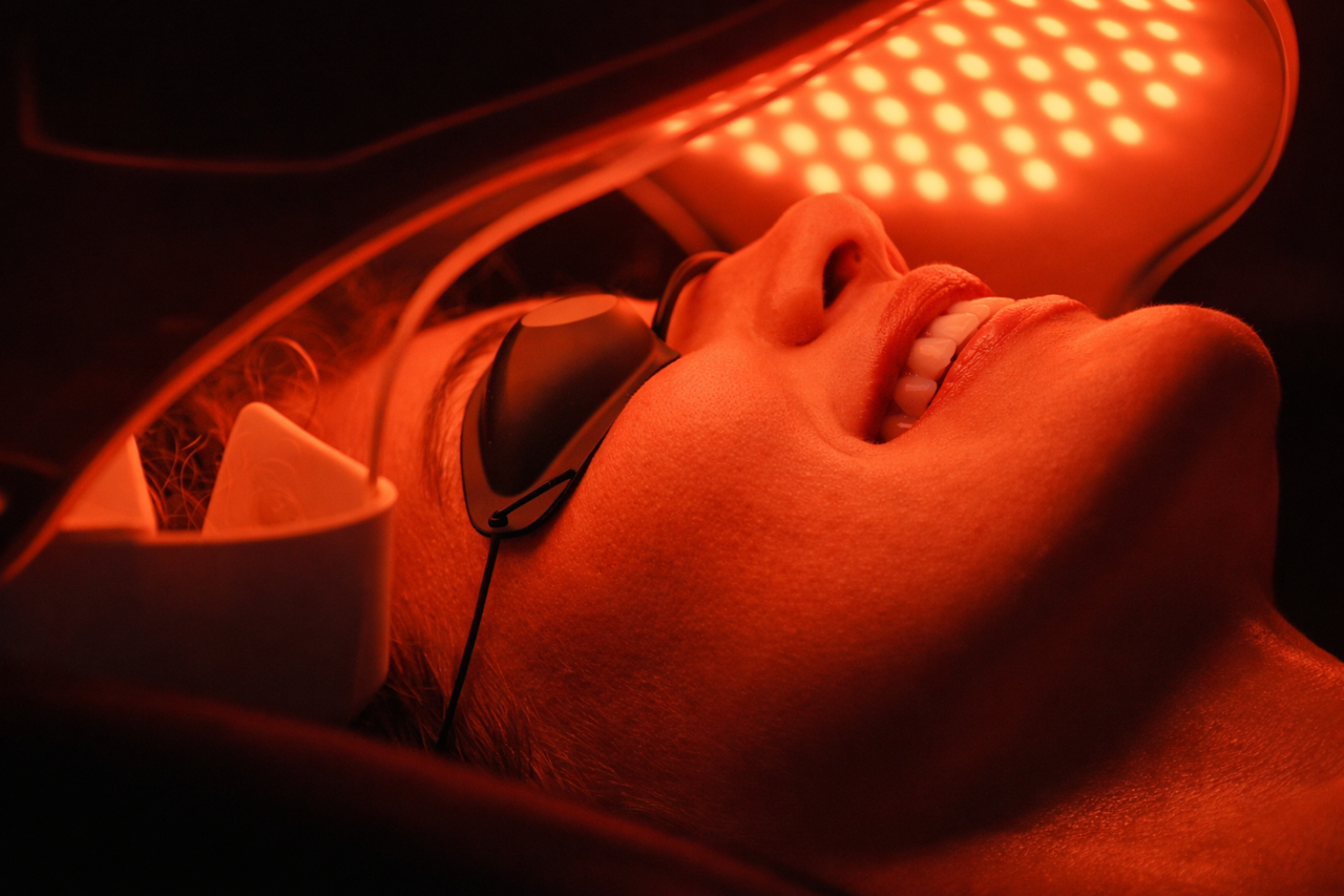
Dermalux Tri-Wave MD delivers three clinically utilised wavelengths—blue (415 nm), red (633 nm), and near-infrared (830 nm)—so protocols can be tailored for a range of goals, including supportive programmes for psoriasis, acne, joint pain, skin conditions, eczema, and to speed up healing appearance after skin stress or procedures.
Medical note: LED light therapy is supportive care and is not a substitute for medical diagnosis or treatment. If you have a diagnosed medical skin condition, are pregnant, are photosensitive, or take photosensitising medication, seek clinician advice before treatment.
What LED Light Therapy Is and What It Is Not
If you are searching for LED light therapy London, choosing a clinic that uses medical-grade phototherapy equipment and course-based protocols is the most direct path to reliable outcomes. A common approach is weekly sessions for several weeks followed by maintenance sessions that match your lifestyle, triggers, and seasonal changes.
Seasonal and environmental stressors matter in London. Cold air, indoor heating, commuting, and pollution can all contribute to barrier disruption and redness cycles. LED light therapy is a practical way to support calmer skin while you simplify your routine and focus on consistency.
Programmes can be tailored for acne and congestion using blue and red wavelengths, while near-infrared is often incorporated for recovery support and comfort-focused goals. As with any light-based modality, eye protection is used during treatment, and settings are adjusted for comfort and skin sensitivity. A reputable provider will screen for contraindications, explain realistic outcomes, and design a cadence that fits your skin’s tolerance and your schedule.
LED light therapy Marylebone is particularly popular for clients who want a calm, professional environment and a consistent plan that can be maintained year-round. Clients typically choose LED light therapy to support calmer-looking skin, improved clarity, and a more resilient barrier—especially when their skin is easily triggered by weather, stress, or strong actives. If you are searching for LED light therapy London, choosing a clinic that uses medical-grade phototherapy equipment and course-based protocols is the most direct path to reliable outcomes.
For clients seeking LED light therapy London options, our Marylebone setting makes it easy to stay consistent with a course. In practice, that consistency is what allows LED light therapy Marylebone programmes to deliver dependable, incremental improvement.
Why We Use Dermalux Tri-Wave MD
By combining 415 nm, 633 nm, and 830 nm in a single platform, the Dermalux Tri-Wave MD allows programmes to be tailored for breakouts, redness, recovery, and comfort-focused goals. Most programmes work best as a course rather than a one-off session; consistency is the factor that typically separates ‘nice’ results from noticeable change.
Seasonal and environmental stressors matter in London. Cold air, indoor heating, commuting, and pollution can all contribute to barrier disruption and redness cycles. LED light therapy is a practical way to support calmer skin while you simplify your routine and focus on consistency.
LED light therapy Marylebone is particularly popular for clients who want a calm, professional environment and a consistent plan that can be maintained year-round. If you are searching for LED light therapy London, choosing a clinic that uses medical-grade phototherapy equipment and course-based protocols is the most direct path to reliable outcomes. A careful consultation is especially important for clients with complex skin histories or those using prescription treatments.
The most effective results usually come from a personalised course, tracked over time, with maintenance sessions to keep the skin calm and resilient. LED light therapy Marylebone is particularly popular for clients who want a calm, professional environment and a consistent plan that can be maintained year-round. Dermalux protocols are commonly discussed for a range of skin conditions, including supportive care for psoriasis and eczema-prone skin, where calming and barrier support are priorities.
For clients seeking LED light therapy London options, our Marylebone setting makes it easy to stay consistent with a course. In practice, that consistency is what allows LED light therapy Marylebone programmes to deliver dependable, incremental improvement.
Benefits You Can Expect Over a Course
Programmes can be tailored for acne and congestion using blue and red wavelengths, while near-infrared is often incorporated for recovery support and comfort-focused goals. As with any light-based modality, eye protection is used during treatment, and settings are adjusted for comfort and skin sensitivity.
Seasonal and environmental stressors matter in London. Cold air, indoor heating, commuting, and pollution can all contribute to barrier disruption and redness cycles. LED light therapy is a practical way to support calmer skin while you simplify your routine and focus on consistency.
Our clinic uses the Dermalux Tri-Wave MD, a professional LED phototherapy system that delivers clinically utilised wavelengths: blue (415 nm), red (633 nm), and near-infrared (830 nm). As with any light-based modality, eye protection is used during treatment, and settings are adjusted for comfort and skin sensitivity. Dermalux protocols are commonly discussed for a range of skin conditions, including supportive care for psoriasis and eczema-prone skin, where calming and barrier support are priorities.
Near-infrared light is also widely used in photobiomodulation-informed approaches for comfort, including programmes that support clients managing joint pain. If you are searching for LED light therapy London, choosing a clinic that uses medical-grade phototherapy equipment and course-based protocols is the most direct path to reliable outcomes. Our clinic uses the Dermalux Tri-Wave MD, a professional LED phototherapy system that delivers clinically utilised wavelengths: blue (415 nm), red (633 nm), and near-infrared (830 nm).
For clients seeking LED light therapy London options, our Marylebone setting makes it easy to stay consistent with a course. In practice, that consistency is what allows LED light therapy Marylebone programmes to deliver dependable, incremental improvement.
Conditions We Commonly Support
A careful consultation is especially important for clients with complex skin histories or those using prescription treatments. For many clients, LED light therapy London appointments are a straightforward addition to a lunch break, with no downtime and minimal aftercare requirements.
Seasonal and environmental stressors matter in London. Cold air, indoor heating, commuting, and pollution can all contribute to barrier disruption and redness cycles. LED light therapy is a practical way to support calmer skin while you simplify your routine and focus on consistency.
The Dermalux Tri-Wave MD supports protocol-driven treatment planning because wavelength selection, coverage, and dose consistency are controlled by the practitioner. The Dermalux Tri-Wave MD supports protocol-driven treatment planning because wavelength selection, coverage, and dose consistency are controlled by the practitioner. LED therapy is frequently chosen to speed up healing appearance after procedures and during periods when the skin feels stressed or reactive.
Programmes can be tailored for acne and congestion using blue and red wavelengths, while near-infrared is often incorporated for recovery support and comfort-focused goals. LED light therapy has become a cornerstone of modern, non-invasive skin care because it supports the skin’s natural repair and calming pathways without heat, needles, or downtime. If you are searching for LED light therapy London, choosing a clinic that uses medical-grade phototherapy equipment and course-based protocols is the most direct path to reliable outcomes.
For clients seeking LED light therapy London options, our Marylebone setting makes it easy to stay consistent with a course. In practice, that consistency is what allows LED light therapy Marylebone programmes to deliver dependable, incremental improvement.
How to Plan Your Course in London and Marylebone
LED light therapy Marylebone is particularly popular for clients who want a calm, professional environment and a consistent plan that can be maintained year-round. In central London, demand continues to rise because LED sessions are comfortable, quick, and easy to integrate into a weekly routine.
Seasonal and environmental stressors matter in London. Cold air, indoor heating, commuting, and pollution can all contribute to barrier disruption and redness cycles. LED light therapy is a practical way to support calmer skin while you simplify your routine and focus on consistency.
LED therapy is frequently chosen to speed up healing appearance after procedures and during periods when the skin feels stressed or reactive. The Dermalux Tri-Wave MD supports protocol-driven treatment planning because wavelength selection, coverage, and dose consistency are controlled by the practitioner. LED light therapy is often described as a ‘skin performance’ treatment: it supports the conditions for healthy-looking skin so that your skincare routine and professional treatments can work more effectively.
Because LED therapy is non-thermal and gentle, it is commonly used to support recovery after professional treatments and to reduce the look of post-treatment redness. LED therapy is supportive care and is not a substitute for medical diagnosis or treatment; if you have persistent symptoms, consult a qualified healthcare professional. A careful consultation is especially important for clients with complex skin histories or those using prescription treatments.
For clients seeking LED light therapy London options, our Marylebone setting makes it easy to stay consistent with a course. In practice, that consistency is what allows LED light therapy Marylebone programmes to deliver dependable, incremental improvement.
Safety, FAQs, and Realistic Outcomes
Clients typically choose LED light therapy to support calmer-looking skin, improved clarity, and a more resilient barrier—especially when their skin is easily triggered by weather, stress, or strong actives. LED light therapy is often described as a ‘skin performance’ treatment: it supports the conditions for healthy-looking skin so that your skincare routine and professional treatments can work more effectively.
Seasonal and environmental stressors matter in London. Cold air, indoor heating, commuting, and pollution can all contribute to barrier disruption and redness cycles. LED light therapy is a practical way to support calmer skin while you simplify your routine and focus on consistency.
A careful consultation is especially important for clients with complex skin histories or those using prescription treatments. A careful consultation is especially important for clients with complex skin histories or those using prescription treatments. Unlike many consumer devices, Dermalux is designed for repeated clinical use, which helps ensure even light distribution and reliable treatment delivery across the treatment area.
As with any light-based modality, eye protection is used during treatment, and settings are adjusted for comfort and skin sensitivity. The most effective results usually come from a personalised course, tracked over time, with maintenance sessions to keep the skin calm and resilient. If you want a plan that is gentle, evidence-informed, and designed for real life, an in-clinic course with Dermalux Tri-Wave MD is an excellent place to start.
For clients seeking LED light therapy London options, our Marylebone setting makes it easy to stay consistent with a course. In practice, that consistency is what allows LED light therapy Marylebone programmes to deliver dependable, incremental improvement.
Conclusion: A Positive, Practical Approach
When delivered with the Dermalux Tri-Wave MD and a course-based plan, LED light therapy can be a reliable, low-disruption way to support calmer, clearer, more resilient-looking skin. Whether your focus is acne clarity, psoriasis or eczema-prone comfort support, visible recovery to speed up healing, or comfort-focused support for joint pain, the key is a personalised protocol and consistent attendance.
If you are comparing options for LED light therapy London , choose a provider who explains wavelength selection, course timing, and realistic outcomes. For many clients, LED light therapy Marylebone is ideal because it supports ongoing consistency—often the single biggest driver of results.
Medical note: LED light therapy is supportive care and is not a substitute for medical diagnosis or treatment. If you have a diagnosed medical skin condition, are pregnant, are photosensitive, or take photosensitising medication, seek clinician advice before treatment.
Additional Notes on Combining With Skincare
LED light therapy is generally well tolerated, but suitability should be assessed if you are photosensitive, taking photosensitising medication, or managing a medical skin condition under clinician care. Near-infrared light is also widely used in photobiomodulation-informed approaches for comfort, including programmes that support clients managing joint pain. Near-infrared light is also widely used in photobiomodulation-informed approaches for comfort, including programmes that support clients managing joint pain. In practice, we track progress with simple markers such as reduced flare frequency, calmer baseline redness, and faster-looking recovery after skin stressors. This makes it easier to adjust the plan thoughtfully rather than guessing. Because LED is gentle, it is well suited to modern ‘less but better’ skincare routines, where consistency and barrier respect are prioritised over frequent product switching.
 Editorial staff