Editorial staff

- Define the Investable Set: What Counts and Why
- Inclusion Criteria That Reduce Execution Risk
- Why Add Luxury Assets? Diversification and Regime Hedges
- Scoreboard 2013-2025: What the Data Says
- How to Access: Routes, Liquidity, and Costs
- Allocation Design: Sizing, Pacing, and Rebalancing
- Due Diligence That Actually Protects Capital
- UK Tax Essentials in Plain English
- Fees and Frictions: Do Not Let Costs Erase Alpha
- Category Playbook: Jewellery and Coloured Diamonds
- Category Playbook: Watches
- Category Playbook: Fine Wine and Rare Whisky
- Liquidity and Exit Planning
- Risks, Red Flags, and When to Pass
- Conclusion: Disciplined Process Beats Hype
Luxury assets give UK investors a disciplined way to diversify equity-heavy portfolios, provided you combine enthusiasm with realistic expectations and rigorous cost awareness. This guide offers actionable frameworks for building small, rules-based sleeves, meaning ringfenced sub-portfolios, in categories like watches, wine, jewellery, and coins. You will learn to size positions, authenticate purchases, navigate UK tax rules, and plan exits before you commit capital.
The 2024-2025 landscape reveals sharp dispersion across categories. Knight Frank's Luxury Investment Index fell 3.3% overall in 2024, yet handbags rose 2.8%, jewellery gained 2.3%, coins added 2.1%, watches climbed 1.7%, and cars increased 1.2%. Meanwhile, art dropped 18.3%, fine wine fell 9.1%, and rare whisky declined 9%. This dispersion shows why investing in luxury assets demands category-specific knowledge rather than blanket enthusiasm.
Define the Investable Set: What Counts and Why
Treat only categories with transparent pricing, active secondary markets, and accepted verification standards as investable so you reduce execution risk. I recommend prioritising fine wine, rare whisky, watches, jewellery, classic cars, rare coins, and designer handbags for serious allocations. Each offers a mix of auction comparables, grading services, and established dealer networks that make pricing and authentication tractable.
Inclusion Criteria That Reduce Execution Risk
- Transparent indices and auction comparables you can reference before bidding
- Verifiable authenticity through hallmarks, grading services, lab reports, or provenance chains
- Known storage and insurance practices that maintain condition and protect title
Categories to Prioritise for a First Sleeve
Watches and coins offer standardised grading and deep resale markets, making them excellent starting points. Wine bought through reputable merchants with bonded storage provides tracking, tax efficiency, and smoother exits. Jewellery with UK hallmarks and lab reports on significant stones gives confidence in metal fineness and gem characteristics.
What to Avoid
Steer clear of assets lacking recognised grading or provenance norms because these sharply elevate fraud and exit risks. Treat over-engineered fractional schemes with opaque fees or lockups cautiously, and read offering documents carefully to ensure compliance with UK rules on financial promotions to retail investors before committing.
Why Add Luxury Assets? Diversification and Regime Hedges
Luxury asset returns are driven by collector demand, scarcity, and wealth effects rather than corporate earnings cycles, so they can diversify stock and bond exposure when sized sensibly. This makes them useful for smoothing portfolio volatility when they remain a modest, controlled portion of total assets. However, dispersion within the asset class is high, with categories rising or falling double digits in the same year.
Correlation and Dispersion in Practice
Expect low average correlation to traditional assets, but higher correlation during periods of market stress. Size positions so you can hold through full cycles without forced selling, even if liquidity dries up temporarily. Balance your sleeve across at least three categories to reduce single-theme concentration risk.
Set Realistic Expectations
Use ten-year category data to bound your expectations and avoid building plans around outlier years. Knight Frank shows whisky, wine, watches, and art led returns from 2013-2023, so budget for 20-40% drawdown potential in illiquid segments rather than extrapolating past gains. These are not equity replacements but regime hedges and long-term diversifiers.
Scoreboard 2013-2025: What the Data Says
Long-run data show which categories have earned their reputation and which rely mainly on storytelling. Over ten years to Q2 2023, rare whisky gained 322%, wine rose 149%, watches climbed 147%, cars added 118%, and art increased 109%, with the overall Knight Frank index up 116%. Recent performance has been more muted, with 2024 showing the mixed results outlined earlier.
Reading and Applying Indices
Indices lag actual market conditions and carry selection bias toward successful, tradeable items. Combine index data with recent hammer results, meaning final auction prices before fees, and live dealer quotes for accurate pricing. Document where your target asset sits within an index basket to calibrate risk, holding period, and exit timing realistically.
How to Access: Routes, Liquidity, and Costs
Your access route largely determines your control, costs, and liquidity profile. Direct auctions and dealers give maximum control but carry buyer's premiums that can reach 27% on the first million pounds at major houses, with VAT typically charged on the premium in the UK. Specialist marketplaces improve price discovery and may add escrow or authentication services, though fee structures vary.
Direct Channels: Auctions and Dealers
Understand the full cost stack before bidding. At houses such as Christie's, buyer's premiums can rise to 27% on the first million pounds, and you must add VAT on the premium, shipping, insurance, and handling fees disclosed in the sale conditions. When consigning, negotiate seller commission and incidental fees, since they materially affect net proceeds.
Funds and Fractional Exposure
Assess fee waterfalls, including management, performance, and carried interest fees, alongside liquidity windows. Ensure any vehicle's marketing complies with UK rules on financial promotions to retail investors, especially if minimum investment sizes look unusually low. Seek professional advice where the regulatory or tax treatment is unclear.
Allocation Design: Sizing, Pacing, and Rebalancing
Start with 1-5% of total portfolio value for your luxury sleeve to cap downside while you learn and refine your process. Advanced investors with documented track records can scale toward 5-10% over time, subject to liquidity needs and risk tolerance. A core-satellite structure works well: core exposures in relatively liquid categories like wine, watches, and coins, plus one or two satellite convictions in higher-alpha, thinner-market areas.
Pacing Buys Across the Calendar
Stagger entries around auction calendars and seasonal releases to avoid clustering risk and bad-luck timing. Use limit prices and pre-committed walk-away levels in auctions to avoid the winner's curse, where emotion pushes you above fair value. Rebalance annually using value bands of plus or minus 20% of your sleeve target rather than reacting to every price move.
Due Diligence That Actually Protects Capital
Most losses in luxury assets come from fakes, undisclosed condition issues, or excessive fees rather than broad market declines. A robust checklist covering provenance, condition, and market comparables materially reduces these risks. Do not bid or complete a private deal without working through this checklist first.
Authenticity and Provenance
- Verify serials, hallmarks, and grading IDs directly with issuing bodies or searchable databases
- For art, run Art Loss Register checks; for coins, verify PCGS or NGC slab numbers
- For diamonds, confirm GIA or IGI report numbers against the physical stone
Condition and Restoration Risk
Document condition with macro photos and, where stakes justify it, third-party inspections. Avoid over-polished watch cases, re-cut stones, and repainted canvases unless pricing more than compensates for the loss of originality. Estimate remediation costs upfront and add 10-20% contingency for servicing, conservation, or specialist packing.
Market Comparables
Compile at least three recent hammer prices and dealer ask quotes, adjusting for buyer's premiums and seller's commissions to derive fair value. Understand bid-ask dynamics, meaning the gap between realistic buying and selling prices, by venue and price tier, since deeper markets tighten spreads and shorten exit times.
UK Tax Essentials in Plain English
Understanding UK tax rules prevents unpleasant surprises and enables realistic net return modelling. HMRC guidance note HS293 states that gains on chattels, meaning tangible movable property, are reportable only when disposal proceeds exceed six thousand pounds. Special rules apply for sets and for restricted losses when proceeds sit below that threshold.
Wasting Assets and Exemptions
HMRC treats many wines and spirits as wasting assets, defined as assets with a predictable life under fifty years. This treatment can make gains exempt from Capital Gains Tax (CGT) in typical personal-use scenarios, though specific facts and usage patterns matter. Keep meticulous records of storage, insurance, and personal use to support your chosen treatment.
VAT on Premiums and the Margin Scheme
Expect 20% VAT on auction buyer's premiums in the UK unless a specific exemption applies. Under the VAT Margin Scheme, dealers of second-hand goods account for VAT only on their margin, not the full selling price, which influences both their pricing and your invoice. Request clear invoice wording to confirm VAT treatment and file it with your tax records.
Fees and Frictions: Do Not Let Costs Erase Alpha
Ignoring costs can erase years of appreciation in a single transaction. Model all-in costs before bidding to set rational walk-away prices and avoid “winning” bad trades. Include storage for bonded warehouses, shipping, insurance, and restoration or servicing in your cost base, since these influence both net returns and CGT computations.
Breakeven Framework
For a watch or artwork with a twenty thousand pound hammer price, calculate tiered buyer's premium, add VAT at 20% on the premium, then include shipping and insurance. Your all-in purchase cost equals hammer plus premium plus VAT plus logistics. Compute breakeven resale net of expected seller's commission, and if breakeven demands unrealistic gains within your time horizon, walk away.
Category Playbook: Jewellery and Coloured Diamonds
Jewellery posted modest gains in 2024, while the Fancy Color Research Foundation index declined 2.2% that year and a further 0.5% in Q2 2025, with stabilisation appearing in some vivid pink and blue segments. UK hallmarking law requires legally recognised hallmarks on precious metal items over minimum weights, protecting buyers by verifying fineness and supporting resale confidence.

Reading UK Hallmarks and Verifying Stones
UK hallmarks confirm metal fineness and include maker's and assay office marks. Verify the date letter and fineness mark such as 375, 585, or 750 for gold, plus equivalent standards for platinum and silver. Request independent gem lab reports from GIA or IGI for significant stones and validate report numbers to detect substitutions or undisclosed treatments.
Pricing to Intrinsic Metal Value and Resale Comparables
Base your valuation on metal content calculated as weight multiplied by fineness multiplied by live metal price, then add a design or brand premium derived from recent comparables in similar condition and age. If you are building a small, liquid jewellery sleeve, benchmark hallmarks, metal content, and resale comparables on a curated UK marketplace before bidding at auction. Used Jewellery for Sale provides a practical reference point for comparing authenticated pieces and typical resale ranges, though you should always cross-check against recent auction hammers for validation.
Category Playbook: Watches
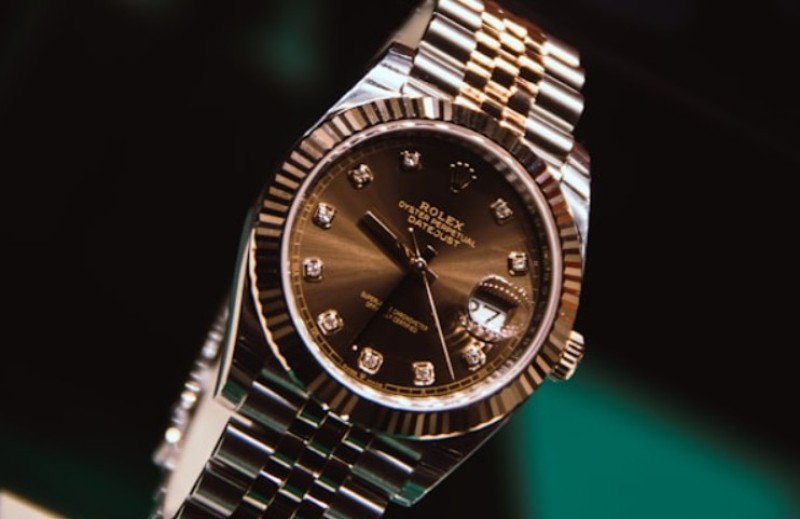
Secondary watch prices declined through 2024, with the WatchCharts Overall Market Index down approximately 5%, and Rolex, Patek Philippe, and Audemars Piguet sub-indices all negative before early stabilisation in 2025. Focus on timeless steel sports references with long, visible resale histories. Full sets with box and papers plus recent service records add liquidity and protect value at resale.
What to Buy and Avoid
Buy core models with long resale history, unpolished or lightly polished cases, and full provenance documentation. Avoid aftermarket modifications, undocumented dial swaps, and thin-market hype pieces with unstable comparables that rely on social-media buzz. Budget for servicing within twelve to twenty-four months if service history is uncertain, and factor that cost into your bid.
Category Playbook: Fine Wine and Rare Whisky
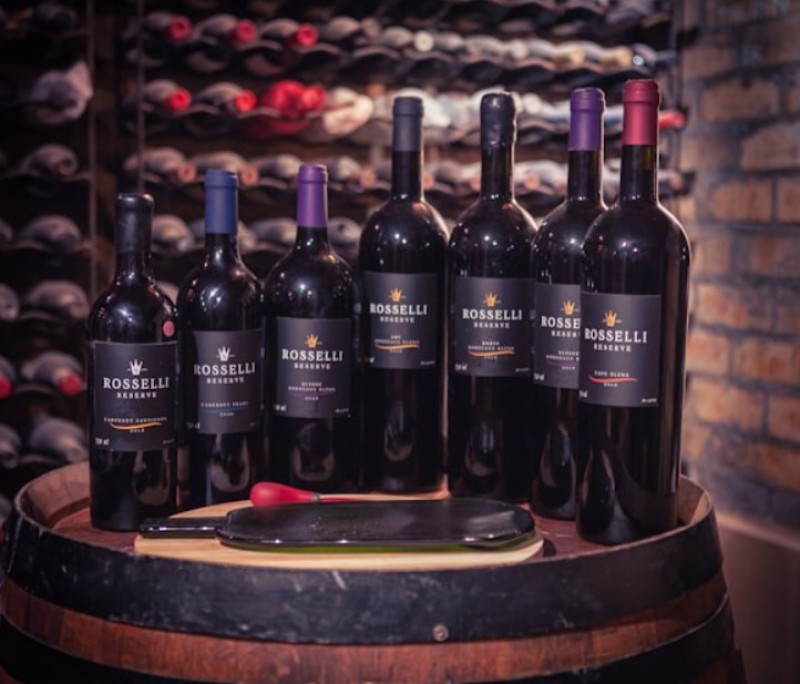
The Liv-ex Fine Wine 1000 has compounded approximately 314.6% since 2004 but fell 13.6% in 2023, with H1 2025 showing ongoing softness in key Bordeaux sub-indices that suggests multi-year consolidation. Whisky led the 2010s but saw declines in 2023-2024 as speculative excess worked through the system. Treat high-end bottles as long-duration holdings, not trading instruments.
Storage and the UK Tax Angle
Use bonded warehouses to preserve condition, simplify provenance, and maintain a clean chain of custody. Document storage and any personal use to support wasting-asset treatment for potential CGT exemption where the facts allow it. Avoid opaque cask schemes without robust custody, regular audits, and transparent exit options.
Liquidity and Exit Planning
Decide how you will sell before you buy, because liquidity varies dramatically by category, quality, and price tier. Sub-fifty-thousand-pound watches and contemporary prints usually move faster than seven-figure masterpieces or experimental niche pieces. Plan exits around sales calendars, seasonal demand patterns, and broader risk sentiment.
Net Proceeds Modelling
Deduct seller's commission, illustration fees, insurance, and transport to compute realistic net proceeds. Compare this figure to your breakeven threshold rather than headline hammer estimates. Set reserves close to conservative comparables to reduce no-sale risk and the reputational drag of costly relots.
Risks, Red Flags, and When to Pass
Pass if provenance is incomplete, condition is marginal, or all-in costs exceed 25-30% of hammer unless pricing clearly compensates for those weaknesses. Common pitfalls include altered watch dials, over-polished cases, re-cut or treated stones, heat-damaged wines, undisclosed repairs, and stolen-art registry hits.
Decision Rules
- Impose a twenty-four hour cooling-off rule on discretionary buys
- Write a pre-mortem on every deal memo, meaning a short note imagining the deal has failed and listing likely causes, to surface risks before committing
- If any authentication step is weak, pass and redeploy capital when conditions align
Conclusion: Disciplined Process Beats Hype
Luxury assets can smooth portfolio risk when you buy verified quality, respect fee and tax mathematics, and plan exits in advance. The 2024-2025 data confirm that dispersion rewards selectivity while punishing undisciplined buyers who chase narratives. Operationalise this approach by writing a deal memo before every bid, documenting authenticity and costs, reviewing holdings annually against indices and your own process metrics, and starting with a 1-3% sleeve in one liquid category before expanding methodically after your first full buy-hold-sell cycle.
 Editorial staff