Editorial staff
In many applications, there is no margin for ambiguity. Performance depends on knowing what the material is, not just what it is called.
Yet silver still moves through global supply chains largely without an identity.
When Metal Enters the Tech Stack
In technology-driven industries, inputs are no longer interchangeable commodities. They are components of systems. Their origin, composition, and handling can influence safety, compliance, and long-term performance.
Silver sits at the center of this shift. It conducts electricity, resists corrosion, and performs under extreme conditions. Those properties make it indispensable. They are also why assumptions about origin are no longer acceptable.
Once silver leaves the refinery, it becomes functionally anonymous. Documentation follows it, certifications accompany it, but the material itself carries no verifiable memory. That gap was tolerable when supply chains were simpler and oversight looser. In today’s environment, it has become a point of failure.
Technology Does Not Tolerate Unverified Inputs
As industrial systems become more regulated and interconnected, verification moves from preference to requirement. Buyers are no longer just purchasing silver. They are purchasing risk profiles.
If origin cannot be proven, exposure increases. If purity cannot be verified at scale, liability follows. If chain of custody breaks, compliance becomes fragile. In technology-driven markets, those weaknesses propagate quickly.
This is why silver is no longer being evaluated solely on price. It is increasingly evaluated on whether it can meet the same verification standards applied to other critical inputs. Why does that matter?
Verification Matters Most When Supply Chains Are Under Pressure
Because, as global supply chains grow more complex, they also become more vulnerable. Silver moves through multiple jurisdictions, intermediaries, and processing stages before it reaches its final use. That complexity creates opportunity not just for inefficiency but also for substitution, dilution, mislabeling, and counterfeit activity.
These risks are no longer hypothetical. Adversarial supply-chain behavior has become a recognized concern across technology, defense, energy, and high-value manufacturing. Materials are rerouted. Documentation is recycled. Inputs are quietly swapped. The cost of discovery often comes downstream, after the damage is done.
In that environment, verified silver carries a different kind of value. It is not just compliant. It is defensible. When identity can be proven at the material level, silver becomes resistant to manipulation, harder to counterfeit, and easier to audit under scrutiny.
That distinction matters most when trust breaks down. In periods of geopolitical tension, tightening supply, or elevated fraud risk, materials that can prove themselves move forward. Those that cannot invite doubt.
trueSilver and the Rise of Verifiable Silver
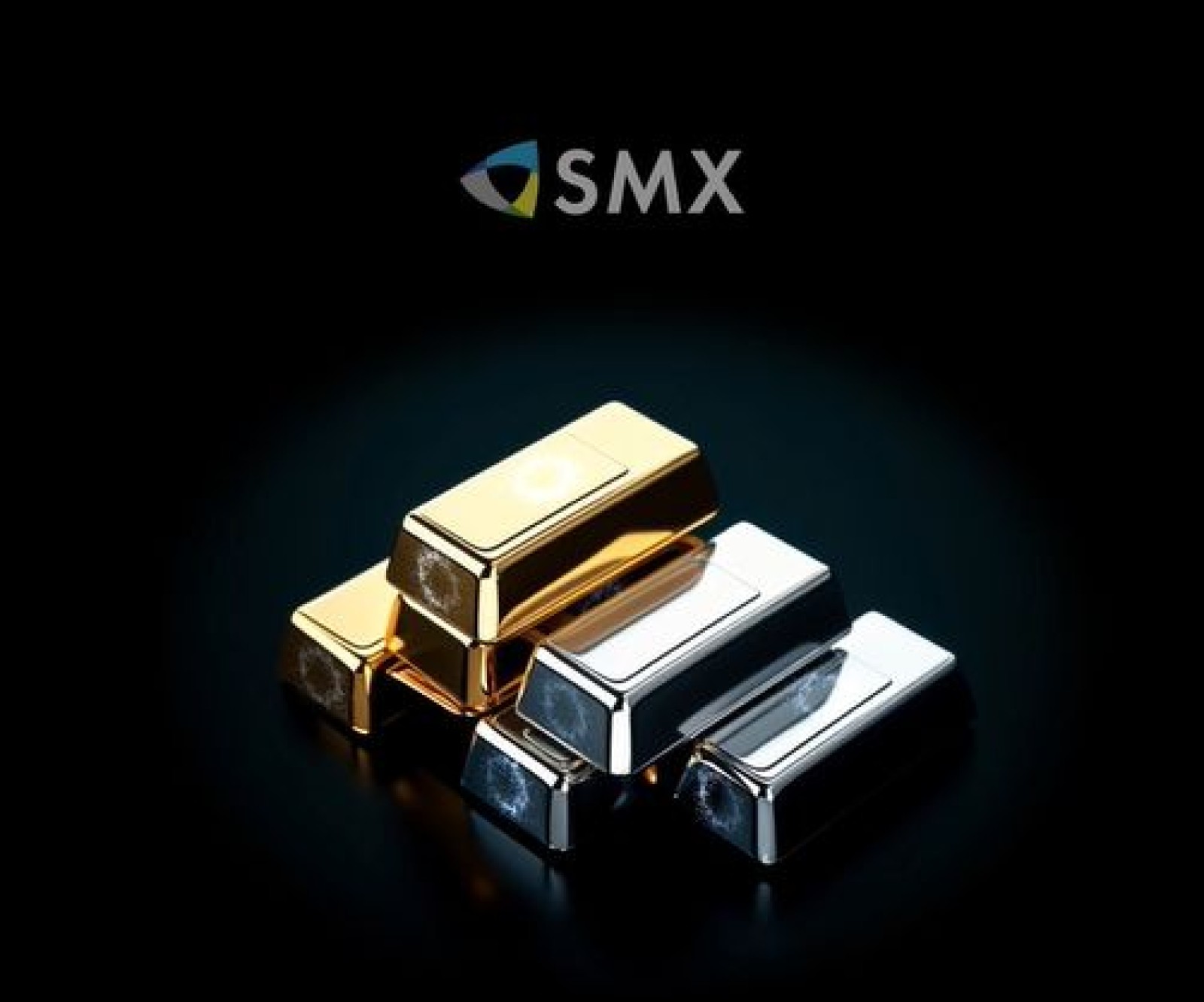
To address this vulnerability, new frameworks are emerging that treat silver less like a commodity and more like a technology-enabled material. One such framework is trueSilver, an SMX-owned (NASDAQ: SMX) silver authentication framework designed to bring material-level identity into the silver supply chain.
The concept is simple but consequential. Instead of relying exclusively on external records, trueSilver links verification directly to the material itself. Identity persists even as silver is processed, blended, or incorporated into downstream products.
This approach aligns silver with how modern technology systems operate. Verification becomes continuous. Proof becomes portable. Trust becomes something that can be demonstrated, not assumed.
Why This Changes How Silver Is Valued
When materials can prove what they are, markets behave differently. Procurement becomes more selective. Compliance becomes proactive rather than reactive. Supply chains become easier to defend under scrutiny.
Silver that can verify its origin and integrity moves more efficiently through regulated environments. Silver that cannot introduces friction. It requires additional checks, adds uncertainty, and increases downstream risk.
Over time, those differences matter. Not because of branding, but because efficiency compounds. In technology-driven industries, friction is expensive.
From Commodity to Tech Bullion
This is the inflection point silver is approaching. It is no longer enough for silver to exist. It must function within systems that demand accountability, traceability, and proof.
In that context, silver begins to resemble something closer to “tech bullion.” Not a speculative asset, but a material whose value is shaped by its ability to integrate cleanly into high-performance, high-compliance environments.
The market has seen this transition before. Materials that adapt to verification standards become preferred inputs. Those that do not become harder to deploy.
Silver will remain essential. But as it becomes embedded more deeply in technology, its identity will matter as much as its conductivity.
In the next phase of industrial markets, silver will not just be weighed. It will be verified.
 Editorial staff