Editorial staff
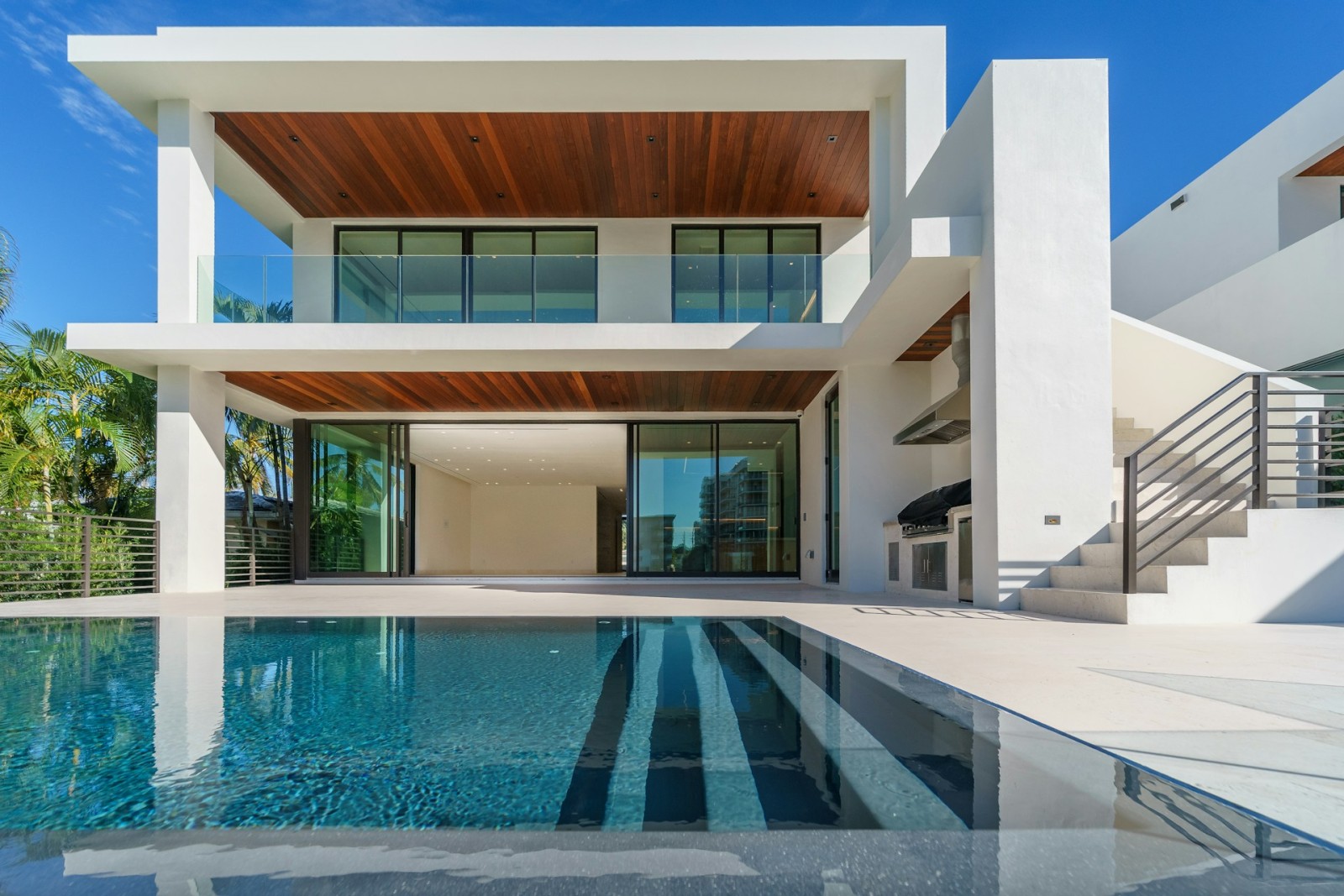
Property as a Living Asset
Known factors still have a foothold in the real estate market. And yet, with all the innovations coming forth to dwell in the real estate space, the world of real estate is not that much the same anymore. Thus, flexibility, adaptability, and energy efficiency are major factors that help in maintaining value on a more intensified level over time. A house that has been designed in such a way that it can forever be redesigned with changing family units and climate does not become a property appreciation overnight but remains for a longer time to return the favor. It will ensure an eternal home for the purpose of accumulation of wealth.
Dwellings unanimously dwell no more. Hallmarks of today's housing designs would see endless configurations for the dwelling subject to renovation, expansion, or outright relocation one day. This forward-thinking attitude also eliminates another serious killer of effective value over time: the eventuality of obsolescence. Housing, provided that a transition is effected without any impediment and without excessive expense, will make a much better storage vessel for wealth.
Design Choices That Support Longevity
Materials and construction methods have also established new expectations for what people can expect. Greater focus on energy efficiency, durability, and reduced maintenance, moving from luxury to practical considerations-is much more expected now than in years past. Invariably, homes constructed this way would be less costly to operate and repair over long periods, giving their owners the possibility of actually, instead of constantly reinvesting all that capital back into upkeep, preserving it.
Moreover, all of these options resonate well with the bigger elements of financial planning, inclusive of succession and estate planning, in which assurance and lowered pressure in the long run become important. Management of a development that retains its usefulness for many years afterwards endures repurposing or passing on without necessitating hasty measures.
The Role of Modern Construction Models
The gradual acceptance of alternative building systems constitutes a most salient shift in housing. Factory-built and precision-engineered homes are rubbing against some age-long and ingrained assumptions on quality and durability. Resilient construction is less about singularity and more about control. Controlled environments reduce waste, improve consistency, and shorten build timelines, all of which have a bearing on financial performance.
Luxury modular homes have made their mark in this dimension as a practical illustration of what happens when creativity meets protection of property. Integrating exquisite design and repeatability, they create classy spaces that are comfortable and welcoming, but also very practical. This draws many people for the reason that it ensures customization and at the same time unvarying expectations, perennial wealth management appeals.
Adaptability in an Uncertain Market
Economic cycles have always influenced real estate, but the past few years have illustrated just how quickly conditions can change. Examples given throughout this book show how housing that leads to new uses or demographics is better positioned to weather uncertainty. A residence that can transition from a family home to a rental, multigenerational space, or downsized footprint carries options rather than limitations.
This adaptability minimizes forced sales and allows the owners to react financially to changing needs without sacrificing value. Eventually, the flexibility can quietly outperform more rigid assets, quartering itself in the cleft of market timing gone awry.
Emotional Value and Financial Stability
People may not talk about it often when discussing financial aspects, but there is an emotional side to housing as well. Real stories and activities come from it, and there is something colossal about continuity. A type of home that stretches further into time builds on both economic and emotional stability together. Usually, such a combo has more say in decision-making than one performs as a stand-alone factor.
Constructing a well-conceived house alleviates the stress of major life changes such as retirement, relocation, or inheritance. By minimizing surprises and maintenance shocks, families are able to focus on the matter at hand rather than reacting to it. That quiet constancy is also an underrated aspect of wealth preservation over the ages.
Looking Ahead
Housing innovations continue to blur the line between lifestyle choice and financial strategy. As construction methods improve and expectations shift, homes are increasingly being treated as adaptable containers rather than unyielding destinations. This way, buyers are encouraged into choices of greater longevity and flexibility.
Assets that evolve tend to endure. In housing, that evolution is reshaping how wealth preservation is approached, not through dramatic moves, but through thoughtful design and long-term intent.
 Editorial staff