Editorial staff
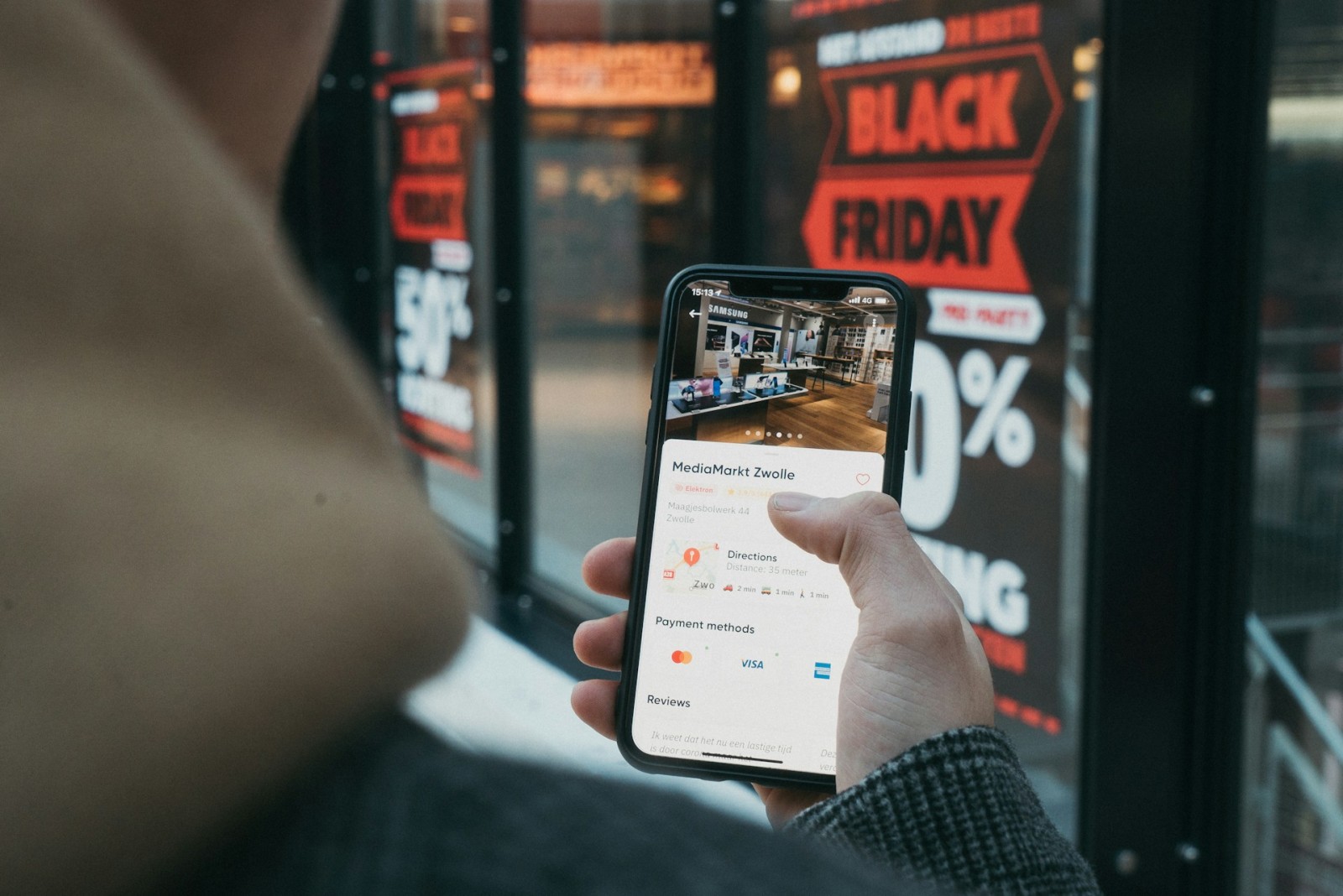
But with convenience comes risk. Not all online tactical gear is created equal. Poor-quality materials, fake products, or misleading descriptions can leave buyers disappointed — or worse, with equipment that doesn’t perform when it matters most.
In this guide, we’ll break down what you need to know to shop smart, avoid common pitfalls, and ensure the tactical gear you buy online is reliable, safe, and worth every dollar.
The Growth of Online Tactical Gear Shopping
Over the past decade, online shopping for tactical gear has exploded. Gone are the days when soldiers, law enforcement officers, or outdoor enthusiasts had to visit specialty stores in person. Today, online marketplaces and specialized e-commerce websites offer an incredible range of options — from basic vests and backpacks to high-tech helmets, smart sensors, and night-vision goggles.
“As e-commerce for tactical gear grows, buyers must know that not all products are created equal. At Ear Mor Store, we insist on full transparency — from material specs and manufacturing standards to third-party certifications”, says Sarunas Levickis, CEO of Ear Mor Store. He adds, “I advise every customer to look for abrasion resistance ratings, verified ballistic standards (if applicable), and reliable user reviews. Quality isn’t just about price; it’s about safety and longevity. We believe that trustworthy sourcing and clear product information are the foundation of ethical online sales — and the reason serious buyers keep coming back.”
The appeal is obvious. Buying online gives you access to a wider variety of products, often at better prices than local stores. You can compare multiple brands in minutes, read reviews from other buyers, and even find gear that isn’t available in your country. For hobbyists, preppers, or professionals, this convenience is a game-changer.
However, the growth of online shopping also brings risks. Unlike in a physical store, you can’t touch the materials, test the weight, or inspect the build quality before buying. Descriptions can be vague, images can be misleading, and some sellers exaggerate claims to make their products look better than they are. This is especially tricky with tech-enabled gear, where sensors, night-vision, or communication devices may not function as advertised.
Moreover, not all online platforms vet their sellers thoroughly. While large e-commerce sites offer some protection, smaller marketplaces may host unverified sellers, counterfeit items, or poorly constructed gear. Even trusted brands can have listings by third-party sellers that don’t meet quality standards.
As Noam Friedman, CMO of Tradeit notes, “The concept of 'counterfeit' takes on a different dimension; it's less about a physical fake and more about provenance and validity within a game's ecosystem. This is why a platform's integrity in verifying item legitimacy and seller reputation isn't just a nicety, but the absolute bedrock of trust for traders navigating these often opaque markets.”
In short, online shopping has opened up amazing opportunities for buying tactical gear, but it requires awareness, research, and caution. Knowing the benefits and the potential pitfalls is the first step toward making smart, safe purchases.
Understanding Quality: What Makes Tactical Gear Reliable
When buying tactical gear online, understanding what separates high-quality equipment from low-quality imitations is essential. Reliable gear isn’t just about looking tough — it’s about performance, durability, and safety.
As Tim Beighley, Sales Manager at DaklaPack US notes, “When evaluating tactical gear, consider it through the lens of mission-critical components, much like medical or industrial supplies. The true benchmark of quality isn't just its immediate appearance, but the rigorous material sourcing, precision in assembly, and the robust supply chain that ensures every piece can withstand extreme demands and perform flawlessly when it matters most.”
Materials and Construction
The first thing to look at is what the gear is made of. High-quality tactical vests, backpacks, and helmets use durable, tear-resistant fabrics like Cordura or ballistic nylon. Stitching should be reinforced, with attention to seams and stress points. Lightweight but strong materials are preferred because heavy gear can reduce mobility and increase fatigue, while flimsy materials might fail under stress.
As Alfred Christ, Digital Marketing Manager at Robotime notes, “In product design, especially for items under stress, selecting materials that offer both resilience and an optimal strength-to-weight ratio is paramount. Whether it's high-grade fabrics for tactical gear or precision-cut components for an intricate model, the integrity of the whole depends on how well each part withstands its intended load without compromising functionality or user experience. It's a continuous balance between robust engineering and practical application.”
Certifications and Standards
Some gear, especially body armor and protective helmets, comes with certifications or meets military or industry standards. These certifications indicate that the product has been tested for strength, impact resistance, or other performance metrics. Buying certified products adds a layer of confidence that the gear will perform as advertised.
As Savas Bozkurt, Owner of Royal Restoration DMV notes, “When you're dealing with the aftermath of a disaster, the integrity of your protective measures, both for properties and people, becomes paramount. Just as individuals rely on certified gear for personal safety, we consistently adhere to industry-recognized standards and utilize specialized equipment, ensuring every stage of the restoration process delivers verifiable quality and lasting peace of mind.”
Brand Reputation
Trusted brands usually maintain consistent quality. When shopping online, research the brand’s history and reputation. Brands with years of experience in tactical gear are more likely to produce equipment that performs reliably. Be cautious of unknown brands offering “too-good-to-be-true” products at extremely low prices.
Red Flags to Watch For
Some common warning signs include vague product descriptions, stock photos instead of real images, or exaggerated claims like “bulletproof at any range” without supporting details. Low prices can also be a signal of compromised quality — durable tactical gear requires high-grade materials and precise construction, which cost money.
User Experience Matters
Reviews from verified buyers can provide insights into real-world performance. Look for comments about durability, comfort, functionality, and how the gear held up under actual use. While no product is perfect, consistent negative feedback is a strong indicator that the item may not meet expectations.
Understanding these key factors — materials, standards, brand credibility, and user experience — gives buyers a foundation for making informed decisions. When you know what to look for, it becomes much easier to distinguish gear that will last and perform from products that might fail when you need them most.
Reading Reviews and Checking Credibility
One of the biggest advantages of buying tactical gear online is access to reviews from other buyers. But not all reviews are created equal, and knowing how to interpret them can make the difference between a good purchase and a costly mistake.
Look for Verified Purchases
Start by focusing on reviews from verified buyers. These are people who actually purchased the product, so their feedback is more reliable than anonymous comments. Verified reviews often include detailed insights on durability, comfort, and performance, which are crucial when evaluating tactical gear.
Analyze Multiple Reviews
Don’t rely on a single glowing or negative review. Read through several to spot patterns. If multiple users mention the same problem — like stitching falling apart, uncomfortable fit, or sensors not working — it’s likely a genuine issue. Conversely, repeated praise about durability or accuracy indicates a solid product.
Check Seller Reputation
The seller matters as much as the product. Look for established sellers or brands with consistent positive feedback. On marketplaces, check ratings, number of completed sales, and responsiveness to customer questions. A trustworthy seller is more likely to provide authentic products and honor return policies if something goes wrong.
Beware of Fake Reviews
Fake reviews are common online, especially for high-demand items like tactical gear. Reviews that are overly generic, repetitive, or suspiciously positive in every aspect can be red flags. Use a critical eye and combine review analysis with other research methods, like checking forums or independent blogs for product tests.
Consider Return Policies and Guarantees
Reliable sellers often back their gear with clear return policies or warranties. Even if a product looks perfect online, being able to return it if it doesn’t meet expectations adds security to your purchase. Sellers who avoid providing this information may be risky to trust.
By carefully reading reviews, verifying sellers, and considering return options, buyers can significantly reduce the chances of ending up with low-quality or counterfeit gear. Reviews are more than just opinions — they’re a window into how the product performs in real-world conditions.
Smart Shopping Tips for Online Buyers
Buying tactical gear online isn’t just about clicking “add to cart.” To make sure you get high-quality, reliable products, it helps to approach online shopping strategically. Here are some tips every buyer should know:
Do Thorough Research Before Buying
Start by researching the specific type of gear you need. Understand what materials, features, and specifications are standard for quality products. For example, a tactical vest should list its material (like 500D Cordura or ballistic nylon) and any protective certifications. Helmets should indicate impact resistance standards or military-grade ratings. The more informed you are, the easier it is to spot red flags.
Compare Products and Prices
Don’t settle for the first listing you see. Compare multiple products to see differences in materials, features, and prices. While cheaper isn’t always worse, extremely low prices often signal corners have been cut, especially on armor or tech-enabled gear. Use comparison tools on marketplaces or keep a simple spreadsheet of options to weigh pros and cons.
Check Specifications Carefully
Many buyers make mistakes by skimming product details. Pay attention to size charts, weight, compatibility with other gear, and any tech features like sensors or night-vision integration. If something isn’t listed, reach out to the seller for clarification. Missing details can indicate either poor product knowledge or an attempt to hide flaws.
Beware of Knock-Offs and Imitations
Tactical gear is popular, which unfortunately attracts counterfeit products. Look for official logos, proper packaging, and authorized seller listings. Cross-check with the manufacturer’s website if you’re unsure. If a deal seems too good to be true for a well-known brand, it probably is.
Conclusion
Buying tactical gear online offers incredible convenience, access to a wider range of products, and often better prices than local stores. But with that convenience comes responsibility. Not all gear is created equal, and poor-quality or counterfeit products can put buyers at risk.
The key to safe, successful online purchases lies in research, attention to detail, and informed decision-making. Understanding what makes gear reliable, reading reviews carefully, checking seller credibility, and following smart shopping practices can help you avoid common pitfalls. For tech-enabled equipment, extra caution with warranties, updates, and support is essential.
 Editorial staff