
 Editorial staff
- As Luxury Watch Prices Climb, Clone Watches Find a Broader Audience
- What “Clone Watches” Typically Mean in 2025
- Why Demand Is Rising: Price, Access, and Curiosity
- Clone Patek Philippe and the Pull of Iconic Design
- Manufacturing Has Improved—And So Have Expectations
- The Role of Online Media in Normalizing the Discussion
- Legal and Brand Concerns Remain Front and Center
- What Buyers Say They’re Actually Purchasing
- A Market That Reflects the Wider Luxury Tension
As Luxury Watch Prices Climb, Clone Watches Find a Broader Audience
Over the years, the luxury watch market has been built on a simple but familiar premise: rarity, heritage, and craftsmanship, with strategic distribution control. However, as the prices continue going higher and the waiting lists continue getting longer, there’s been an increase in a secondary market that once existed in the shadows through discreet conversations. Today, clone watches are now referred to in open forums in social media, product review sites, as well as mainstream news stories that show how consumers think about value in luxury goods.
The rise in visibility does not mean consensus. For some, clone watches represent an uncomfortable challenge to brand identity and intellectual property. For others, they are a symptom of a market where iconic designs have become increasingly unattainable. Either way, the topic has moved beyond niche circles and into broader consumer awareness.
What “Clone Watches” Typically Mean in 2025
The term clone watches is often used to describe timepieces built to closely resemble well-known luxury models in external design and, in some cases, internal architecture. That can include matching case proportions, dial layouts, bracelet shapes, and overall “wrist feel.” Sellers may emphasize familiar silhouettes while avoiding direct claims of brand affiliation—though market practices vary widely by region and platform.
Consumers have been known to differentiate between three types: homage watches, which have the original brands but take inspiration; the second category comprises products with the counterfeited brands; the third comprises the “clone” builds, which have an emphasis on replication. Sometimes, the lines can be hazy, which contributes to the controversy surrounding the market.
Why Demand Is Rising: Price, Access, and Curiosity
But the easiest to understand, I believe, is price. Upmarket watches in particular have become less about time and more about cultural, collector, and rare goods. This trend has driven designs into the realm that less serious collectors can only afford to covet.
Clone watches, on the other hand, provide an entry point for those who appreciate the look of a particular design paradigm, whether it be integrated bracelet sports watches, traditional dress watches, or complicated timepieces, yet choose not to, or cannot afford to, commit to the corresponding price tag. Some of these individuals purchase what they essentially term a try-out of the form before going legitimate with a purchase later on. Others are simply after the look and are not willing to pay the associated luxury prices.
Industry observers also point to a second trend: growing interest in mechanical watches as objects. Even buyers who are not collectors are now more likely to know what an automatic movement is, what a sapphire crystal does, and why case finishing matters. That knowledge creates a market for products that promise “high detail” at a fraction of luxury pricing.
Clone Patek Philippe and the Pull of Iconic Design
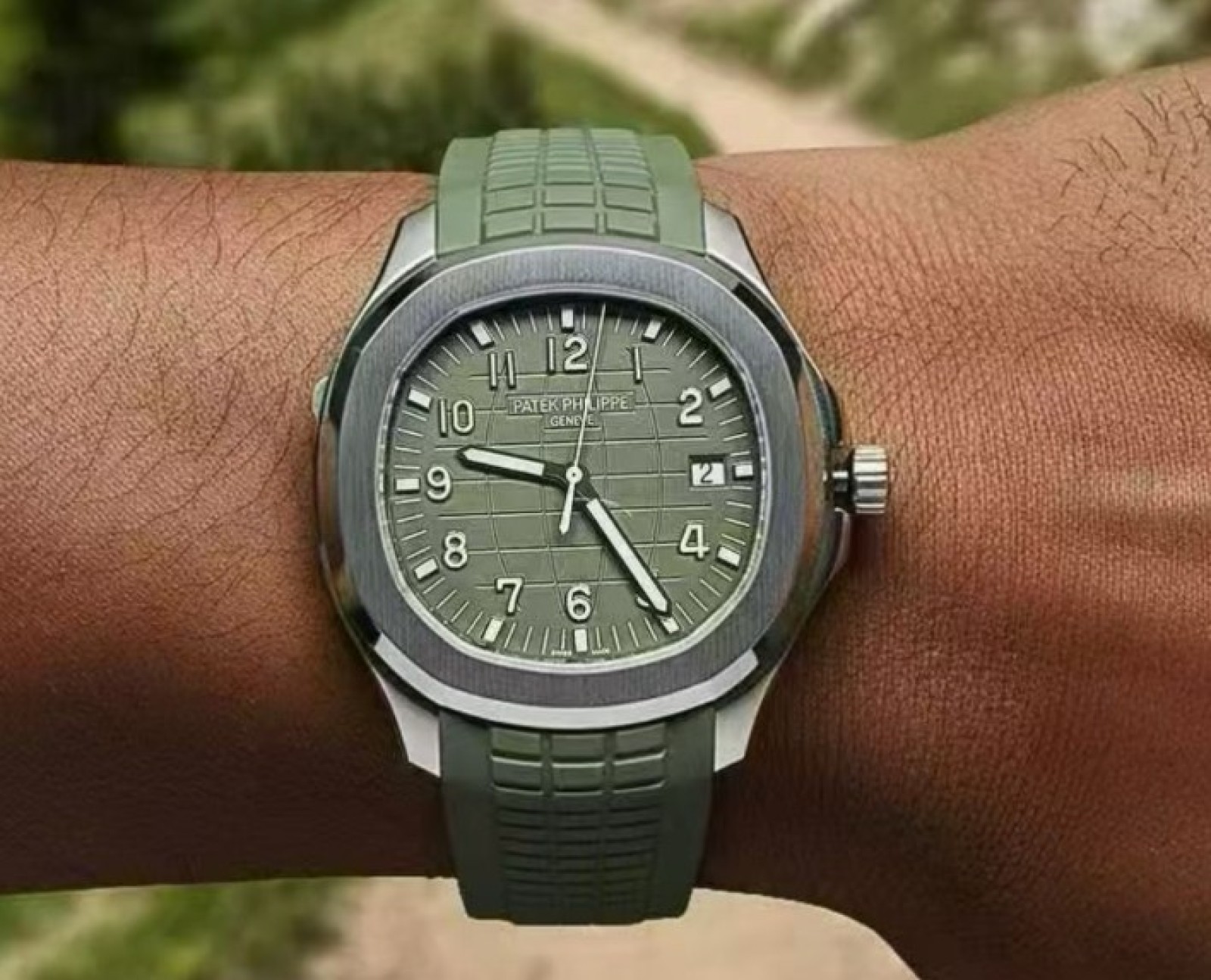
Among the most frequently referenced examples in this segment are clone Patek Philippe models—an indicator of how powerful Patek Philippe’s design language has become. Whether it’s a clean dress watch profile or the instantly recognizable sports-luxury silhouette associated with certain coveted references, Patek’s visual identity carries weight far beyond its official customer base.
That influence is not unique to one brand. However, “clone Patek Philippe” has become a common search phrase precisely because Patek sits at the top of the prestige pyramid, where demand is global and supply is narrow. In many consumer discussions, the brand represents the ideal of “quiet luxury,” and clone makers tend to chase that aura through proportion and finishing cues.
It is noteworthy that a similar design does not imply a similar level of workmanship or quality standards. The reputation that Patek Philippe has is not just based on design. The finishing of the watches and servicing over several generations remain integral to this. It is, however, pertinent that the popularity of clone versions reveals how much a design is liked.
Manufacturing Has Improved—And So Have Expectations
Another reason the clone segment keeps expanding is technical progress. Better machining, more refined polishing, and more consistent assembly standards have raised baseline quality in many consumer-grade watches overall. Clone makers have benefited from the same supply-chain improvements, often offering tighter tolerances, cleaner dial printing, and more convincing bracelet finishing than earlier generations of replica-style products.
At the same time, buyer expectations have become sharper. Online reviewers routinely scrutinize crown guards, lug geometry, date-window placement, and even font thickness. That level of detail wasn’t mainstream a decade ago. Now it’s common—especially in communities where side-by-side comparisons are the norm.
This is also where specialized retail sites enter the conversation. Consumers researching clone watches often encounter standalone domains presenting catalog-style listings and specifications. One example frequently circulated in discussions is https://replicafactory.cx, which appears in search results and community threads as part of the broader online ecosystem surrounding clone products.
The Role of Online Media in Normalizing the Discussion
What changed most in the past few years is not only what people buy, but what people are willing to talk about publicly. Replica and clone watch topics used to be kept quiet. Today, a growing number of articles frame the issue as a consumer trend rather than a taboo. That coverage doesn’t remove controversy, but it does bring the market into daylight, where claims can be challenged and risks can be explained.
A recent example of mainstream coverage touching on the topic can be found here: best replica watch site.
As this kind of reporting spreads, the conversation becomes less rumor-driven and more shaped by consumer education—what buyers should know, what legal boundaries exist, and what the practical trade-offs may be.
Legal and Brand Concerns Remain Front and Center
Luxury brands have long treated lookalike products as a reputational and legal problem, especially where trademarks, protected designs, or brand marks are involved. Enforcement varies by jurisdiction, and outcomes can depend on how items are labeled, marketed, and distributed. In many markets, the most aggressive action targets counterfeit branding rather than design similarity alone—though brands may pursue both.
From a brand perspective, the concern goes beyond lost sales. Luxury watchmakers argue that design investment, quality standards, and innovation are undermined when near-identical products flood the market. They also warn that consumer confusion can grow when clones are misrepresented as authentic on secondary markets.
What Buyers Say They’re Actually Purchasing
One of the most revealing aspects of the clone watch segment is how buyers describe their own intent. Many insist they are not trying to pass a watch off as genuine. They frame the purchase as a personal-use item—an aesthetic preference or a mechanical curiosity.
But intent is not the whole story. Even a buyer with honest motives may face downsides: limited servicing options, inconsistent quality control, unclear warranty practices, and the risk of customs issues depending on region. For this reason, consumer advocates often stress transparency and caution—especially for first-time buyers who may not understand what they are getting or what protections they do not have.
A Market That Reflects the Wider Luxury Tension
Ultimately, clone watches are not a watch story but a consumer story: of aspiration, access, and the gap between cultural demand and product availability. The popularity of clone Patek Philippe searches, in particular, conveys how strongly certain brands drive desire, even among consumers who may never be official customers.
Luxury watchmaking is unlikely to lose its core audience, because its appeal is rooted in heritage, finishing, scarcity, and after-sales support—things clones do not replicate in full. Yet the clone segment is growing precisely because it speaks to a wider audience: people who admire the design language of luxury but want a different price equation.
For the watch industry, the conversation is not going away. And for consumers, the topic will likely remain a mirror held up to modern luxury itself—what it costs, what it signals, and who gets to participate.
 Editorial staff



