Editorial staff
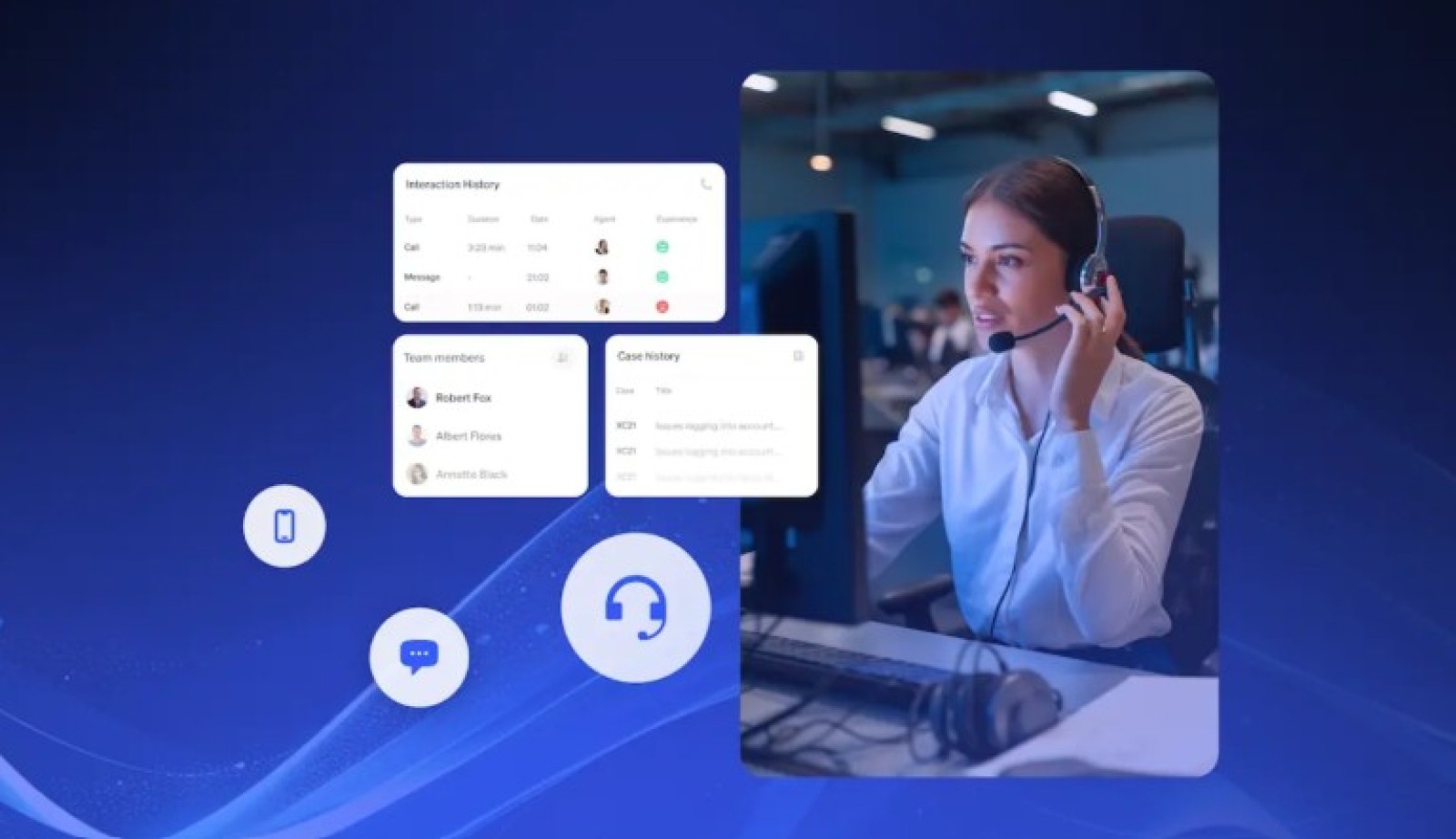
Understanding Helpdesk Ticketing SystemsA helpdesk ticketing system is a digital tool that converts customer or employee issues into organized tickets. These tickets contain details such as the request type, priority level, assigned agent, and communication history. By gathering all information in one place, support teams can work more efficiently and deliver organized responses. Companies of all sizes use this system to reduce confusion, avoid missed messages, and maintain consistent service.
Key Features of the Best Helpdesk Ticketing PlatformsThe best helpdesk ticketing solutions stand out by offering features that streamline the entire support process. Centralized inboxes allow teams to receive requests from email, chat, apps, or social channels without losing track of conversations. Automation tools prioritize urgent issues and reduce manual work by assigning tickets to the right agents. Collaboration capabilities make it easy for staff to share internal notes, discuss solutions, and track ticket progress. Performance dashboards provide insights that help identify common issues, customer patterns, or team productivity gaps.
These features collectively improve the way teams handle daily responsibilities. Automation alone saves time by decreasing repetitive tasks, allowing agents to focus on complex inquiries. When combined with reporting tools, companies gain a complete overview of support performance, which directly influences long-term improvements.
Why Businesses Need Reliable Ticketing ToolsChoosing the best helpdesk ticketing tool is essential for organizations that value efficiency and customer satisfaction. Without a proper system, teams may lose messages, mismanage priorities, or lack the data necessary to improve service quality. A structured ticketing approach ensures that every request is documented from start to finish, reducing the chance of unresolved issues.
Additionally, these tools bring transparency to support operations. Managers can instantly see who is handling each inquiry, how long tasks take, and whether additional resources are required. This clarity leads to smarter decision-making and better team coordination.
Benefits of Using Advanced Helpdesk Ticketing SystemsThe benefits of using a well-designed helpdesk ticketing system extend across the organization. One major advantage is improved response time, as automated routing and clear organization help agents act more quickly. Customers enjoy smoother interactions with fewer delays or repeated questions.
Another benefit is increased accountability. With every step recorded, support teams can review communication trails, confirm policies, and ensure consistent responses. This is especially useful in large teams where coordination is essential.
Ticketing systems also support scalability. As a company grows, it faces a rise in support volume. A strong system built around best helpdesk ticketing adapts easily to changing needs, whether handling hundreds or thousands of requests.
How to Choose the Best Helpdesk Ticketing SolutionWhen choosing a helpdesk system, businesses should consider several factors. Ease of use ensures that support teams can adopt the software quickly without extensive training. Integration with existing tools, such as CRM systems and communication platforms, is also crucial.
Customization is another key factor. Companies should be able to adjust workflows, set automated rules, and define ticket categories based on their unique needs. Scalability ensures that the system remains valuable as the business expands.
Reliable reporting tools help managers track performance, identify common challenges, and implement improvements. These insights help maintain customer satisfaction and efficient operations.
ConclusionIn today’s customer-focused business environment, strong communication and efficient support processes are vital. A dependable helpdesk solution designed around best helpdesk ticketing provides the automation, structure, and analytics needed to deliver exceptional service. By investing in the right system, businesses strengthen collaboration, improve response times, and enhance overall customer satisfaction. As organizations continue to evolve, these systems will remain essential for long-term success.
 Editorial staff