Eseandre Mordi
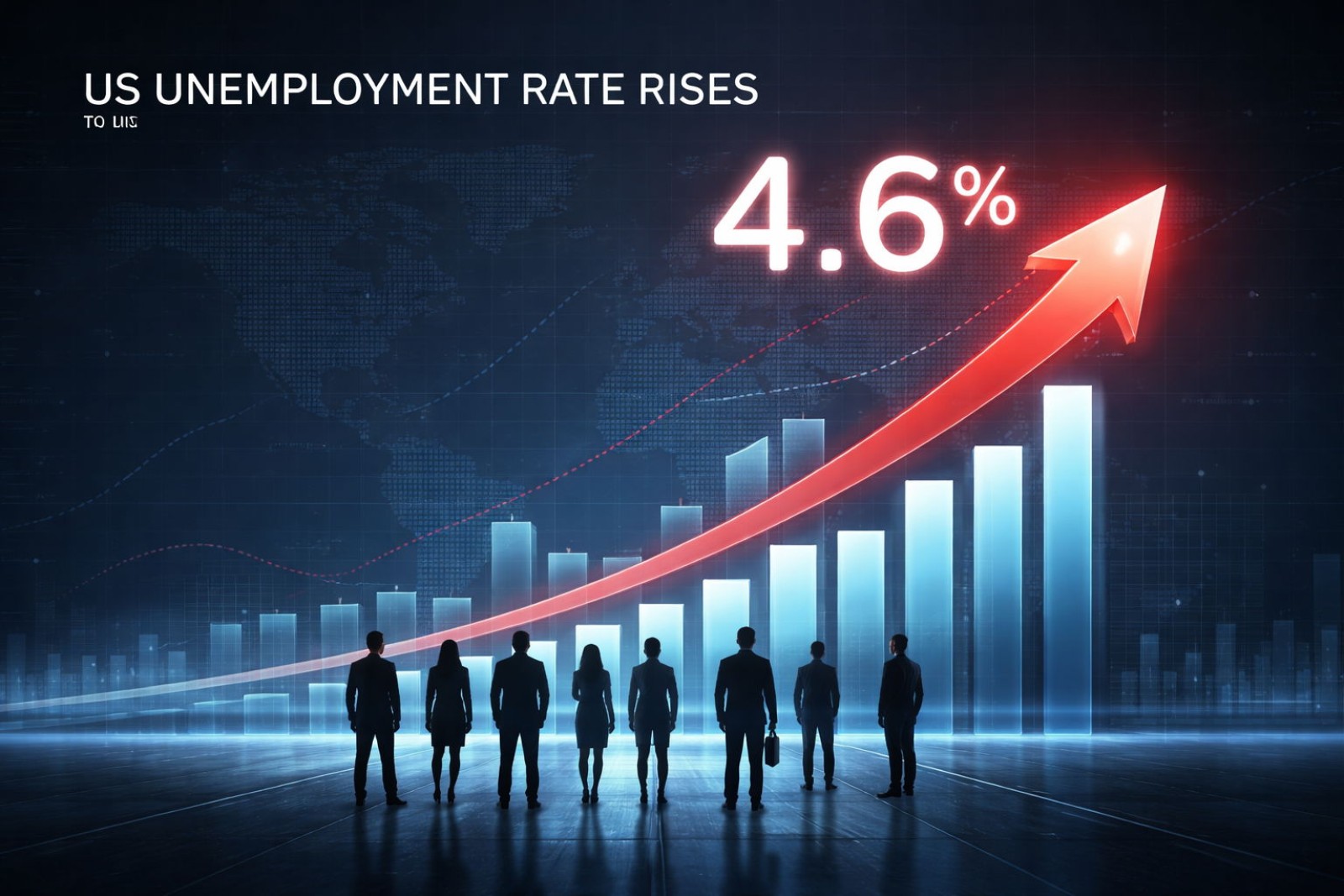
⬤ In November the unemployment rate in the United States reached 4.6 percent, a level higher than most forecasters had predicted. Figures released since then confirm that the rate has edged upward every month for the past twelve months undoing the steep decline that followed the pandemic.
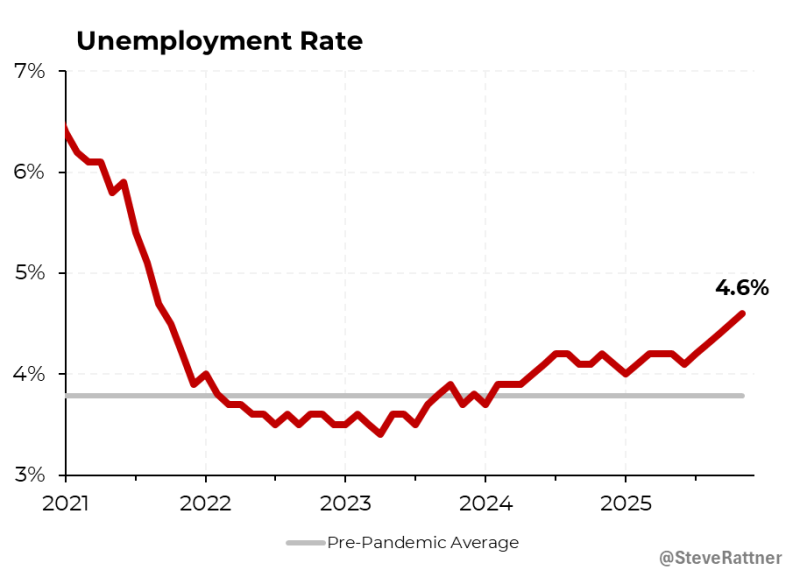
⬤ Two years earlier the picture looked very different. Between late 2021 and the spring of 2023 the rate fell from a little above 6 percent to only 3.4 percent, a reading that pointed to an extremely tight labour market. From the start of 2024 the direction reversed. Each monthly release showed a small rise and by early 2025 the headline rate had climbed back above its February 2020 level for the first time since the outbreak began.
The latest print is simply the next step in a slow but steady upward path that has been in place for twelve months.
⬤ The level itself is not alarming - it remains well below readings that normally signal distress. What has changed is the trend. The ultra low rates that characterised 2022 plus 2023 have disappeared. Month after month the number of people looking for work has increased and the economy now operates with a labour market that resembles the years just before the pandemic rather than the years that followed it.
⬤ Payroll figures carry weight because they foreshadow wider economic momentum. Moving back above the pre-COVID average shows that the exceptional tightness of the post pandemic labour market has ended. Hiring has slowed, openings have declined and the balance between supply but also demand for workers has shifted toward a calmer setting.
 Eseandre Mordi