Peter Smith
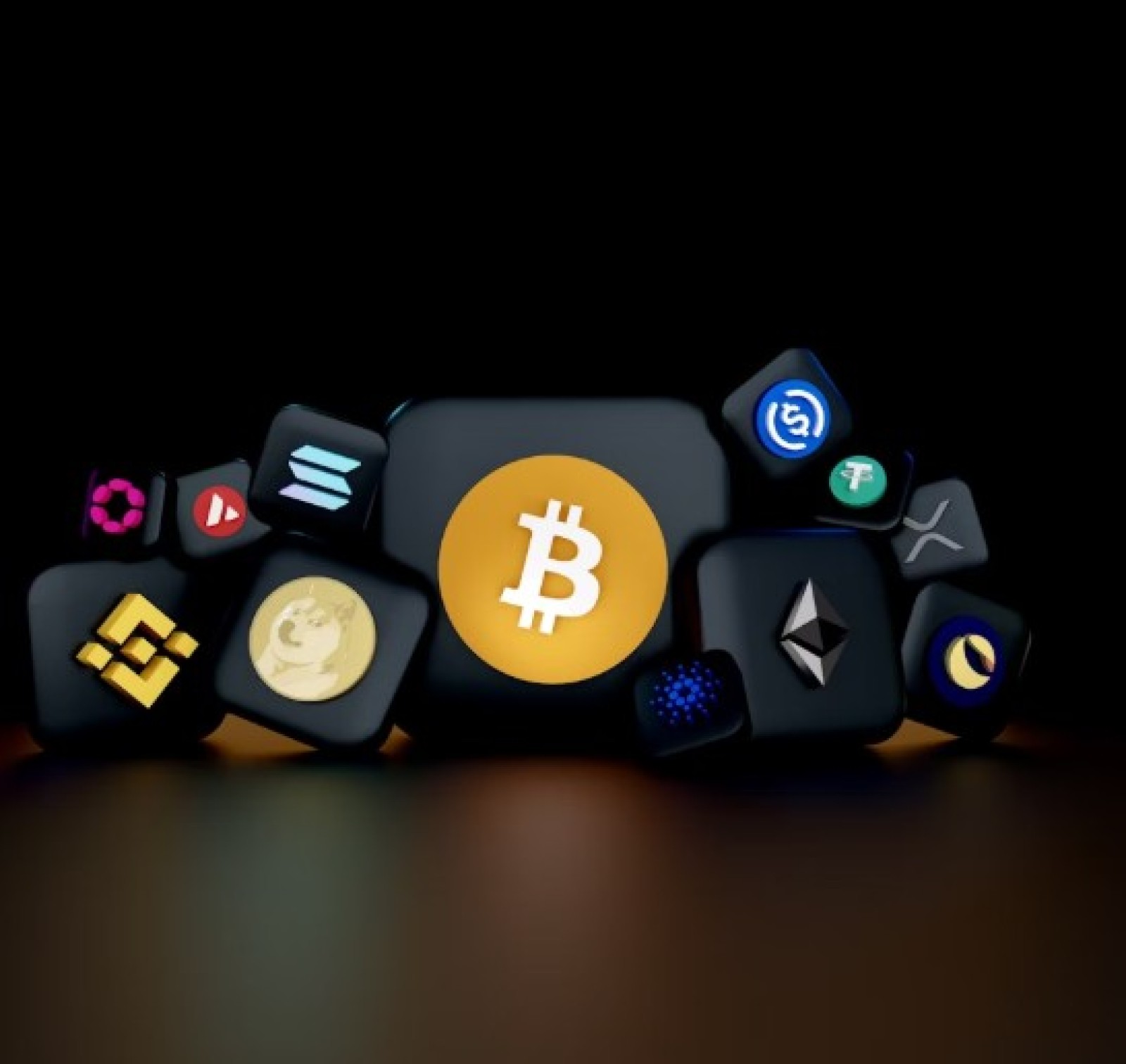
Discover crypto-friendly gaming platforms on Oncasitown. If you are eager to deal with virtual currency, it may be your golden opportunity to generate cashback without any hassle.
This article explores how the fusion of play and investment is reshaping market structures and redefining the “economy of play” through digital assets.
How Blockchain is Revolutionizing the Concept of Gaming
The initial spark for this transformation stemmed from gaming and streaming, where users clamored for more than just passive observation and play. They were craving participation and dominion.
Blockchain has breathed new life into routine gaming by introducing asset-holding structures, unambiguous reward distribution, and community governance structures. For instance, blockchain games in 2025 are referred to as "the gateway to the realm of crypto," facilitating the adoption of crypto assets, NFTs, and Web3 among gamers.
Beyond this specific example, the broader picture reveals a trio of interrelated themes. First, users expect digital experiences to embrace ownership. This stands in contrast to stagnant models, where ownership was an illusion. Blockchain is likely to change it all.
The second principle is fairness. Entertainment platforms on smart contracts automatically enforce rules and payouts, eliminating uncertainty and promoting trust.
The third theme is innovative revenue and reward models. Instead of paying for a game, users earn rewards, trade assets, participate in governance, or even receive royalty-like shares in streams previously reserved for creators or intermediaries.
From Streaming to Immersive Tokenomics with Digital Ledger
Recreational formats are expanding, and we're witnessing unconventional intersections. Live interactive shows, streaming platforms that reward viewers with tokens, and virtual events where smart contracts manage tickets are some vivid examples.
This year, crypto investment and blockchain entertainment have been far from perfect, but industry experts claim there's a "glimmer of hope". As blockchain opens the doors to decentralized gaming experiences, players are securely exploring their favorites, such as pokies.
In Australia, this has sparked interest in web-based pokies, where smart contract technology ensures equity and provably honest play.
The platforms with a touch of crypto are redefining digital recreation. As more users demand control over their gameplay data and results, blockchain-based platforms present a compelling solution based on verifiable, tamper-proof logic.
Renewed Impetus and Emerging Applications
Market survey demonstrates that the global blockchain gaming market is likely to hit approximately $21.6 billion in 2026, with mobile platforms having the upper hand. Moreover, over 100 million users are enlisted in so-called metaverse games.
In the meantime, industry commentators emphasize that the intersection of entertainment and cryptocurrency is gaining traction as platforms seek to metamorphose average users into active participants and shared owners.
What does this imply for devouring content? We're experiencing hybrid formats, such as live shows where audiences hold tokens that give the green light to supplementary add-ons and management rights.
The same applies to virtual events where attendees secure blockchain tickets with benefits or resale options. These encounters are converting into digital collectibles integrated into virtual surroundings, where fans can vote, trade, or generate profit through crypto-based mechanisms.
Blurring the Lines between Entertainment and Gambling
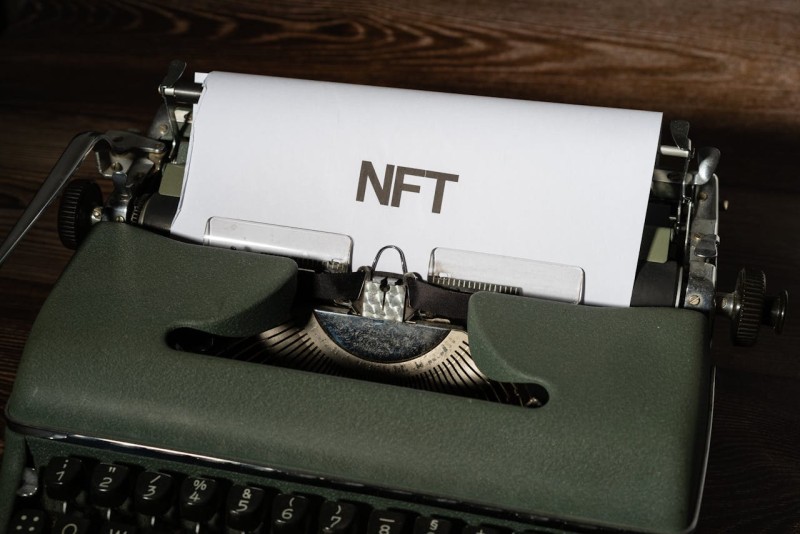
Blockchain blurs the line between investment and entertainment through diverse formats, primarily the use of NFTs (non-fungible tokens) in gaming, which enable genuine ownership and trading of in-game assets and virtual collectibles, turning pastimes into potential investments.
Some formats to discuss here include:
Ownership via NFTs
An NFT presents a verifiable certificate of ownership based on a decentralized blockchain. Interestingly, once a participant owns an NFT (a unique character, a rare skin, a virtual plot of land), they have full control over it apart from the game developer's servers.
Play-to-Earn (P2E) Gaming
This model shifts time spent on a game from a sunk cost into a prospective revenue flow, blending entertainment with commerce. For instance, in the Axie Infinity game, players not only collect digital creatures nicknamed "Axies" in a Pokémon-style game but also mine tokens by themselves, without undue interference.
Digital Collectibles and Access Tokens
Collectibles have always been a potential investment with exclusive membership and experiences. For instance, owning a prominent Bored Ape Yacht Club NFT is a status symbol that grants unshared access to real-world events and a vibrant social community.
Fan Funding and Content Ownership
Fanaticism is all about content, and with blockchain, many fans can get a direct financial stake in their beloved games. In particular, with NFT music, fans can buy the music NFT, gaining ownership of streaming royalties or future revenue streams. This can shift your favorite songs into a source of profitability.
Final Thoughts
Overall, the adoption of cryptocurrency in entertainment is impacting how people play, view, and interact. Ownership, transparency, and reward-focused experiences are no longer futuristic buzzwords, but genuine investment fundamentals. 2025 may not be the end of this transformation, but it is certainly a benchmark when the transformation becomes tangible.
 Peter Smith